Symbolism
Day (Truth) (Ferdinand Hodler)
Ferdinand Hodler (1853–1918) sukūrė Day (Truth). Šis kūrinys priklaulo Symbolism kieruliui. Pagaminta naudojant Oil On Canvas. Eksponatas saugomas Art Institute of Chicago Čikagos, JAV.
- Oil On Canvas
- Art Institute of Chicago, Čikagos

 Peržiūrėti realaus dydžio版

 Rankinio darbo aliejinės imitacijos paveikslas
 Pasidalinti
 Dalintis
 Informacinė l lapelė


 Atsisiųsti
 Panašūs eksponatai
 Rentgeno spindulių nuotrauka
 Automatinė diorama
 问答

 Statistika
Day (Truth), trumpai
- Pavadinimas
- Day (Truth)
- Autorius
- Ferdinand Hodler (1853–1918)
- Dizainere/is gimęs
- Bernas, Šveicarija
- Mediumas
- Oil On Canvas
- Kur galima pamatyti
- Art Institute of Chicago, Čikagos, JAV
- Judėjimas
- Symbolism
- Laikotarpis
- 19th Century
- Tema
- man, nude figure, rock, landscape, sky, brown
Ką vaizduoja Day (Truth)?
Identification of the Artwork and Artist
The canvas known as Day (Truth) emerges from the hand of Ferdinand Hodler, a significant figure in the evolution of Swiss art. Created about 1906, this work captures a moment of profound stillness. It exists at the intersection of Symbolism and Landscape Painting, reflecting the shifting tides of 19th-century artistic thought. The piece carries the weight of a specific era, where the boundaries between the physical world and the spiritual realm begin to blur.
Ferdinand Hodler brings a unique vision to this composition, moving away from the strictures of realism to explore deeper rhythms of existence. In Day (Truth), the artist seeks to translate the essence of a single moment into a visual language of form and light. The work belongs to a period where the landscape becomes a vessel for existential reflection, a place where the human presence and the natural environment are inextricably linked through a shared, rhythmic geometry.
Composition and Visual Elements
The canvas unfolds with a monumental presence, capturing a moment where the first light of dawn breathes life into the very concept of unity. A serene arrangement of figures mirrors the unfolding morning, creating a rhythmic, visual heartbeat that pulses through the scene. These figures, depicted in states of nakedness, move through the landscape in a way that suggests the unfolding stages of daybreak. Their postures, much like blossoming petals, seem to respond to the increasing brightness of the sky, weaving human form into the very rhythm of the natural world.
Symmetry governs the space, establishing a sense of cosmic harmony that feels both tranquil and profoundly powerful. This structural order is defined by rhythmic symmetry and deep, espresso-toned shadows that anchor the composition. The eye is guided by the horizon line and the movement of the clouds, leading toward a central focus that symbolizes a spiritual awakening. Through this deliberate arrangement, the painting transcends a simple landscape, becoming a meditation on existence itself, where the physical and the spiritual are bound together by a shared, geometric grace.
Technical Details and Medium
The medium of oil on canvas breathes life into this composition, allowing for a layering of thin washes that build an atmospheric effect. These layers create a soft, diffused light that wraps around the figure, casting a gentle glow that avoids harsh shadows. The texture of the work reveals a subtle interplay between the smooth, ethereal quality of the sky and the palpable roughness of the rocky base. Every brushstroke contributes to a sense of weight and permanence, grounding the spiritual essence of the scene in physical substance.
This work functions as a masterclass in Symbolism, where the artist employs his signature theory of parallelism to structure the visual experience. Rhythmic patterns emerge through the arrangement of forms, mirroring the natural order of the cosmos. The composition moves with a rhythmic, visual heartbeat, capturing the ephemeral beauty of daybreak and transforming it into a structured, eternal presence. Through this deliberate application of geometry and repetition, the painting transcends mere representation to touch upon the profound rhythms of existence.
Kuriame muziejuje eksponuojamas karya Day (Truth)?
Art Institute of Chicago
Čikagos, JAV
Art Institute of Chicago apžvalga Art Institute of Chicago yra privaties, neįmonystės meno muziejus, esantis Čikagos mieste, Ilinoiso valstijoje, J_{E}S_{E}A. Nuo savo įkūrimo 1879 metais ši institucija išaugo į itin svarbų kultūros žemę Grant Park sostinėje. Muziejaus platinė terasa dabar siekia bevegią milijoną kvadratinių pėdų, apimdamą įvairias erdves, kuriose saugoma milžiniška žmogaus išraiškos kolekcija.
 Sekmadienio Popietė La Grand Žatės Saloje
A Sunday Afternoon on the Island of La Grande JatteGeorges Seurat, 1886
 Nurodo religinį tikėjimą, moralinį sąžiningumą ir troškulį tradicinių vertybių.
Atstovauja sunkų darbą, tiesioginį ryšį su žeme ir amerikiečių atsigavimą.
Naudojo labai glotnį šepetėlį ir precizišką atvaizdą, paveiktas jo studijų su Flandrijos RenesansoGrantas Vudas, 1930
 Edward Hopper
Upper Nyack
United States of America
1931
1942
1967
Švyturys tamsoje: tyrinėjant Hopperio šedevrą
Sukurta 1942 m., ši ikoniška paveikslų scena užfiksuoja vėlyvojo nakties įvykius visą naktį dirbančiame restorane, tapdama vienu iš labiEdwardas Hopperis, 1942
Day (Truth) dididraudžios kokybės vaizdai

Viešoji domenė: suregalis mirė 1918 m.
Kiti dydžiai, iškarai ir citavimo informacija →Ferdinand Hodler, Day (Truth), Art Institute of Chicago. Viešoji domenė.
Atsakimai į klausimus apie Day (Truth)
Kur šiandien galima pamatyti kūrinį „Day (Truth)“ – Ferdinand Hodler?
Kūrinys „Day (Truth)“ – Ferdinand Hodler rodomas Art Institute of Chicago, Čikagos, JAV. Muziejaus informacija nuoroda į originalą, o ne į reprodukciją.
Kokia technika buvo panaudota kūriniam darbui „Day (Truth)“ – Ferdinand Hodler?
„Day (Truth)“ – Ferdinand Hodler technika – Oil On Canvas. Kopijos siekia atkartoti šios technikos vaizdą.
Kas yra „Day (Truth)“?
„Day (Truth)“ – Ferdinand Hodler temos apima man, nude figure, rock, landscape, sky, brown, tan. Kartu jie apibendrina šio kūrinio tematiką.
Ar „Day (Truth)“ – Ferdinand Hodler vaizdą galima laisvai reprodukcijaoti?
Autorių teisių statusas kūriniui „Day (Truth)“ – Ferdinand Hodler: kūrinys priklauso yra viešosios erdvės dalis – jo autorinė teisė pasibaigusi. Tai nulemia, ar galima laisvai reprodukciuoti šį vaizdą.
Kuriam menininkui priskiriamas kūrinys „Day (Truth)“?
„Day (Truth)“ kūrybinį darbą sukūrė Ferdinand Hodler. Šioje puslapio informacijoje aprašomas Ferdinand Hodler originalus kūrinys.
Kokio meno kryžmės dalis yra „Day (Truth)“ – Ferdinand Hodler?
Kūrinio „Day (Truth)“ – Ferdinand Hodler stilius – Symbolism. Ši klasifikacija leidžia šį darbą įtraukti į bendrą susijusių menininkų ir kūrinių kontekstą.
Kokį Ferdinand Hodler kūrybos etapą atspindi „Day (Truth)“?
Ferdinand Hodler kūrybos enceklopedijoje kūrinys „Day (Truth)“ priskiriamas Mature Period laikotarpiui. Šis etapas leidžia palyginti jį su kitais šio autoriaus kūriniais.
Kokia yra autorinės teisės situacijos priežastis kūriniam darbui „Day (Truth)“ – Ferdinand Hodler?
Autorinės teisės statusas kūriniui „Day (Truth)“ – yra viešosios erdvės dalis – jo autorinė teisė pasibaigusi – nustatomas remiantis to, kad menininkas mirė 1918 m.
Ar kūrinys „Day (Truth)“ – Ferdinand Hodler saugomas originalaus paveikslautojo valstybėje?
Ne – kūrinys saugomas užsienyje. kūrinys „Day (Truth)“ saugomas JAV, o Ferdinand Hodler gimė Šveicarija.
Apie šį menininką, Ferdinand Hodler
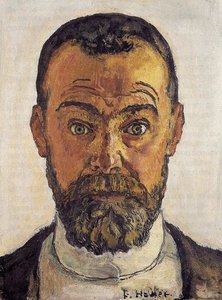
1853–1918, Šveicarija
Ferdinand Hodler
Mirties architektūra Gimęs 1853 m. Berno mieste, Šveicarijoje, Ferdinandas Hodleris ankstyvojamis metais buvo lydimas tylo ir nuolatinės globos. Dar nepasiekęs paaugliaštės, jis patyrė praradimimą – tuberkulio liga paremiajo jo tėvą ir du jaunesniusius brolius, palikdama tuštumą šeimoje. Šis ankstyvas susidavimas su netiktybė tapo pasikartojančiu motyvu jo kūryboje – šešeliu, kuris sekė jį nuo skromių mokymosi pradžių iki aukščiausios profesinės karjeros.
Taip pat Ferdinand Hodler darbai
 Eiger, Monch and Jungfrau in Moonlight1908
 Woman in Ecstasy1911
 Sunset on Lake Geneva1915
 Study of two figures1897
Esdai apie Day (Truth)
 19th century Swiss painters19th-century Swiss painters like Arnold Böcklin, Ferdinand Hodler, and Henry Fuseli defined an era. Find museum-quality reproductions on Or…
 Mastering Parallelism: The 25 Most Iconic Artworks by Ferdinand HodlerImmerse yourself in the rhythmic beauty of Ferdinand Hodler. Explore 25 iconic masterpieces of Swiss Symbolism and Parallelism. From soulfu…
 Swiss artworks of the 1910sSwiss art from the 1910s featuring masterpieces by Paul Klee, Ferdinand Hodler, and Félix Vallotton. View the full collection on OriginalUn…