Rococo · 1764
Soap Bubbles (Charles Amédée Philippe Van Loo, 1764)
Charles Amédée Philippe Van Loo (1719–1795) sukūrė Soap Bubbles. Šis kūrinys datuojamas 1764 m. Šis kūrinys priklaulo Rococo kieruliui. Pagaminta naudojant Oil On Canvas. Eksponatas saugomas National Gallery of Art Vašingtonas, JAV. Dimensijos – 89 × 89 cm.
- 1764
- Oil On Canvas
- 89 × 89 cm
- National Gallery of Art, Vašingtonas

 Peržiūrėti realaus dydžio版

 Rankinio darbo aliejinės imitacijos paveikslas
 Pasidalinti
 Dalintis
 Informacinė l lapelė


 Atsisiųsti
 Panašūs eksponatai
 Rentgeno spindulių nuotrauka
 Automatinė diorama
 问答

 Statistika
Soap Bubbles, trumpai
- Pavadinimas
- Soap Bubbles
- Autorius
- Charles Amédée Philippe Van Loo (1719–1795)
- Dizainere/is gimęs
- Rivoli, Italija
- Data
- 1764
- Mediumas
- Oil On Canvas
- Matmenys
- 89 × 89 cm
- Kur galima pamatyti
- National Gallery of Art, Vašingtonas, JAV
- Judėjimas
- Rococo
- Laikotarpis
- Early Modern
- Tema
- children, soap bubbles, chair, mirror, portrait
Ką vaizduoja Soap Bubbles?
A Moment Suspended in Time
In the delicate dance of light and air captured within Charles Amédée Philippe Van Loo’s Soap Bubbles, we find ourselves transported to the heart of the 18th-century Rococo era. This exquisite oil on canvas, painted in 1764, is far more than a mere depiction of childhood play; it is a masterclass in capturing the ephemeral. The scene centers on three children, their faces alight with the pure, unadulterated joy of a fleeting moment. As they blow iridescent spheres into the atmosphere, the bubbles catch the light, shimmering with a spectrum of colors that seem to defy the stillness of the frame. Van Loo employs a breathtaking trompe-l'oeil technique, presenting the children through what appears to be an oval window, creating an intimate sense of peering into a private, enchanted world.
The composition is balanced with a sophisticated grace characteristic of the French school. To the left, a solitary chair anchors the scene, while a mirror in the background provides a subtle depth, reflecting the room and expanding the viewer's perception of space. This clever use of reflection not only adds dimension but also invites us to contemplate the layers of reality presented within the painting. The soft, luminous textures of the children's clothing and the translucent quality of the bubbles demonstrate Van Loo’s extraordinary command over oil pigments, allowing him to manipulate light to create a sense of tactile softness and ethereal brilliance.
The Poignant Symbolism of the Vanitas
Beyond its surface beauty, Soap Bubbles carries a profound philosophical weight. To the discerning eye, the bubbles serve as a classic Vanitas motif—a symbolic reminder of the transience of life and the impermanence of earthly pleasures. Just as a soap bubble is beautiful yet destined to burst in an instant, so too are the moments of youth and human existence. This layer of melancholy hidden beneath the playful exterior provides a captivating tension that elevates the work from a charming genre painting to a deep meditation on mortality. It is this duality—the celebration of life alongside the recognition of its fragility—that gives the piece such enduring emotional resonance.
For collectors and decorators alike, this painting offers a unique opportunity to introduce a narrative of depth into a living space. The artwork’s historical prestige, having once graced the collections of the Prussian imperial family, brings an air of aristocratic elegance to any interior. Whether placed in a sun-drenched morning room or a sophisticated study, a high-quality reproduction of this masterpiece serves as a conversation piece that invites contemplation. It is a work that does not merely decorate a wall; it breathes life, history, and a touch of poetic nostalgia into the very soul of a home.
Kuriame muziejuje eksponuojamas karya Soap Bubbles?
National Gallery of Art
Vašingtonas, JAV
National Gallery of Art kilmės ir istorija National Gallery of Art buvo įkūrta privačiai 1937 metais kaip dovana Amerikos žmonėms. Jos įkūrimas buvo apseiminis Jungtinių States Kongreso sprendimas. Šią instituciją sugalavo Andrew W.


Soap Bubbles dididraudžios kokybės vaizdai

Viešoji domenė: suregalis mirė 1795 m.
Kiti dydžiai, iškarai ir citavimo informacija →Charles Amédée Philippe Van Loo, Soap Bubbles (1764), National Gallery of Art. Viešoji domenė.
Atsakimai į klausimus apie Soap Bubbles
Kuriam muziejui priklauso originalus „Soap Bubbles“?
Kūrinys „Soap Bubbles“ – Charles Amédée Philippe Van Loo rodomas National Gallery of Art, Vašingtonas, JAV. Muziejaus informacija nuoroda į originalą, o ne į reprodukciją.
Kokia yra „Soap Bubbles“ – Charles Amédée Philippe Van Loo kūrybos data?
„Soap Bubbles“ sukurta 1764 m. Ši data leidžia įvardyti kūrinį Charles Amédée Philippe Van Loo kūrybinėje karjeroje bei jo epochoje.
Kokia technika buvo panaudota kūriniam darbui „Soap Bubbles“ – Charles Amédée Philippe Van Loo?
„Soap Bubbles“ – Charles Amédée Philippe Van Loo technika – Oil On Canvas. Kopijos siekia atkartoti šios technikos vaizdą.
Kokie yra originalaus „Soap Bubbles“ matmenys?
Įrašyti kūrinio „Soap Bubbles“ – Charles Amédée Philippe Van Loo matmenys yra 89 x 89 cm. Kopijas galima užsisakyti kitais dydžiais, išlaikant tą pačius proporcijas.
Kas yra „Soap Bubbles“?
„Soap Bubbles“ – Charles Amédée Philippe Van Loo vaizdeletas: children, soap bubbles, chair, mirror, portrait.
Ar „Soap Bubbles“ yra viešosios teisės kūrinys?
„Soap Bubbles“ – Charles Amédée Philippe Van Loo yra yra viešosios erdvės dalis – jo autorinė teisė pasibaigusi. Šis statusas nustato, kaip galima reprodukcijaus šio kūrinio vaizdą.
Kas yra „Soap Bubbles“ kūrybos autorius?
„Soap Bubbles“ priskiriamas Charles Amédée Philippe Van Loo.
Kokiam stiliui priklauso „Soap Bubbles“?
„Soap Bubbles“ – Charles Amédée Philippe Van Loo priklauso Rococo stiliui. Ši dailės kryptis suteikia kūriniui stilistinį kontekstą.
Kokio Charles Amédée Philippe Van Loo kūrybos laikotarpio priklauso „Soap Bubbles“?
„Soap Bubbles“ atspindi Charles Amédée Philippe Van Loo kūrybinį laikotarpį Mature Period.
Apie šį menininką, Charles Amédée Philippe Van Loo

1719–1795, Italija
Charles Amédée Philippe Van Loo
Charles Amédée Philippe Vanloo: A Master of Rococo Grace and Dramatic Narrative The world of 18th-century French art is often associated with opulent grandeur, intricate detail, and a profound sense of theatricality. At the heart of this vibrant scene stood Charles Amédée Philippe Vanloo (1719 – 1795), a painter whose career spanned decades and encompassed a remarkable range of subjects—from allegorical scenes brimming with mythological figures to strikingly realistic portraits that captured the essence of his aristocratic patrons. More than just a skilled craftsman, Vanloo was a master storyteller, weaving narratives of power, virtue, and human drama into every canvas he touched. Born in Aix-en-Provence, Vanloo’s artistic journey began under the tutelage of his father, Jean-Baptiste van Loo—himself a respected painter—in Turin and Rome.
Apie Charles Amédée Philippe Van Loo Žinomiausi Charles Amédée Philippe Van Loo darbai
Taip pat Charles Amédée Philippe Van Loo darbai
 Presumed Portrait of Livio Vernet (1747 - after 1827) lawyer, son of Joseph Vernet1750
 Amor is disarmed by Diana1750
 Erigone, also called Autumn1750
 The Satyrs1761

Esdai apie Soap Bubbles
 25 Must-See Masterpieces at the Kröller-Müller Museum: A Van Gogh PilgrimageExplore 25 iconic Van Gogh and modern masterpieces at Kröller-Müller Museum. Discover the full collection online at OriginalUniqueArt.com.
 Charles-André van Loo: A Study in Rococo Portraiture & the French Court's Artistic DynamicsExplore the elegant world of Charles-André van Loo, a master of Rococo portraiture at the French court. Discover his life, techniques, and …
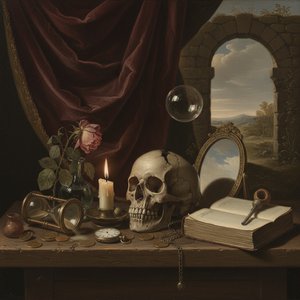 The Memento Mori Aesthetic: Decoding the Profound Symbolism of Vanitas ArtExplore the profound symbolism of Vanitas art. From Dutch Golden Age masterpieces to the haunting beauty of Memento Mori, uncover how class…