Fauvism · 1911
Vegetable fields (August Macke, 1911)
August Macke (1887–1914) sukūrė Vegetable fields. Šis kūrinys datuojamas 1911 m. Šis kūrinys priklaulo Fauvism kieruliui. Pagaminta naudojant Oil On Canvas. Eksponatas saugomas Kunstmuseum Bonn Bonas, Vokietija. Dimensijos – 47 × 64 cm.
- 1911
- Oil On Canvas
- 47 × 64 cm
- Kunstmuseum Bonn, Bonas

 Peržiūrėti realaus dydžio版

 Rankinio darbo aliejinės imitacijos paveikslas
 Pasidalinti
 Dalintis
 Informacinė l lapelė


 Atsisiųsti
 Panašūs eksponatai
 Rentgeno spindulių nuotrauka
 Automatinė diorama
 问答

 Statistika
Vegetable fields, trumpai
- Pavadinimas
- Vegetable fields
- Autorius
- August Macke (1887–1914)
- Dizainere/is gimęs
- Mešedė, Vokietija
- Data
- 1911
- Mediumas
- Oil On Canvas
- Matmenys
- 47 × 64 cm
- Kur galima pamatyti
- Kunstmuseum Bonn, Bonas, Vokietija
- Judėjimas
- Fauvism
- Tema
- rural landscape, haystacks, blue flowers, path, roads, color field
Ką vaizduoja Vegetable fields?
August Macke’s ‘Vegetable Fields’: A Fauvist Echo of Rural Melancholy
This captivating oil painting, “Vegetable Fields,” created in 1911 by August Macke, offers a potent glimpse into the burgeoning world of German Expressionism. Measuring 47 x 64 cm, this work transcends a simple depiction of a rural landscape; it’s an intensely felt experience rendered through bold color and simplified forms – hallmarks of the Fauvist movement. Macke, tragically cut short by the First World War at just 27, was already producing art that resonated with a raw emotionality, anticipating the full force of Expressionism while still retaining traces of Impressionist influence.
- Subject Matter: The scene unfolds in a stylized countryside, dominated by haystacks, fields ablaze with blue flowers, and a prominent pathway leading the viewer’s eye into the distance. This isn't a meticulous rendering of reality; rather, it’s an interpretation filtered through Macke’s emotional lens.
- Style & Technique: The painting firmly embraces Fauvist principles – prioritizing color over precise representation. Thick impasto brushstrokes build texture and physicality onto the canvas, creating a vibrant, almost tactile surface. Lines are deliberately expressive, guiding the viewer's gaze and contributing to the overall sense of movement.
Decoding the Emotional Landscape
Macke’s use of color is particularly striking. The dominant blues and greens evoke a feeling of tranquility, yet they’re punctuated by jarring yellows and reds, creating an underlying tension. This deliberate dissonance reflects the anxieties and uncertainties of the era – a world on the cusp of profound change. The flattened perspective, prioritizing emotional impact over realistic spatial illusion, further intensifies this effect. It's as if Macke is inviting us to step into his subjective experience, rather than simply observing a landscape.
- Symbolism: The diverging paths in the distance are rich with symbolic potential, representing choices, journeys, or perhaps the fragmented nature of modern life. The isolated setting contributes to a sense of melancholy, hinting at themes of loneliness and contemplation.
- Historical Context: Created in 1911, “Vegetable Fields” sits squarely within the period of experimentation that preceded the full flowering of German Expressionism. Macke’s work foreshadowed the movement's emphasis on subjective emotion and distorted form, while still retaining a connection to earlier artistic traditions.
A Masterclass in Texture and Light
The painting’s technical brilliance lies not just in its color palette but also in Macke’s masterful manipulation of light and texture. The diffuse lighting suggests an overcast day, eliminating harsh shadows and contributing to the overall mood of quiet contemplation. The thick impasto technique – applying paint thickly to create a textured surface – is particularly evident in the haystacks and fields, adding a remarkable physicality to the composition. This deliberate roughness further emphasizes the emotional intensity of the work.
Collecting this Powerful Image
A hand-painted reproduction of “Vegetable Fields” offers an exceptional opportunity to bring this evocative artwork into your home or office. OriginalUniqueArt’s meticulous reproductions capture the essence of Macke's vision, faithfully recreating the painting’s vibrant colors and expressive brushwork. This piece is more than just a decoration; it’s a window into the soul of a brilliant artist and a poignant reflection on the human condition.
Kuriame muziejuje eksponuojamas karya Vegetable fields?
Kunstmuseum Bonn
Bonas, Vokietija
Ekspresijos šventovė: Kunstmuseum Bonn siela Įsikūrę istorinėje Bonos širdy—mieste, kur ore vis dar drebu Beethoveno kompozicijų natų aidai—stoji Kunstmuseum Bonn —gili šventovė tiems, kurie ieško grynos, emocinės modernizmo galios. Į šią instituciją įžengti tariama kaip pradėti kelionę per turbulentinę, tačiau gražią dvideštojo amžiaus psichę. Gimusi iš būtinybės atstatyti ne tik sienas, bet ir kultūrinę tapatybę transformatyvaus pokario rekonstrukcijos laikotarpiu, ši muziejus nuo tada evoliucionavo į pasaulinį renų ekspresionizmo švyturį.

Vegetable fields dididraudžios kokybės vaizdai

Viešoji domenė: suregalis mirė 1914 m.
Kiti dydžiai, iškarai ir citavimo informacija →
August Macke, Vegetable fields (1911), Kunstmuseum Bonn. Viešoji domenė.
Atsakimai į klausimus apie Vegetable fields
Kur šiandien galima pamatyti kūrinį „Vegetable fields“ – August Macke?
Originalų kūrinį „Vegetable fields“ galite pamatyti Kunstmuseum Bonn, Bonas, Vokietija.
Kuriem metais buvo sukurta „Vegetable fields“ – August Macke?
„Vegetable fields“ sukurta 1911 m. Ši data leidžia įvardyti kūrinį August Macke kūrybinėje karjeroje bei jo epochoje.
Kokia technika sukurta „Vegetable fields“ – August Macke?
„Vegetable fields“ – August Macke technika – Oil On Canvas. Kopijos siekia atkartoti šios technikos vaizdą.
Kokie yra „Vegetable fields“ – August Macke realūs matmenys?
Originalaus kūrinio „Vegetable fields“ – August Macke matmenys yra 47 x 64 cm.
Ką vaizduoja „Vegetable fields“ – August Macke?
„Vegetable fields“ – August Macke vaizdeletas: rural landscape, haystacks, blue flowers, path, roads, color field, expressionism, geometric forms.
Ar „Vegetable fields“ yra viešosios teisės kūrinys?
Kalbant apie autorišką teisę, „Vegetable fields“ yra yra viešosios erdvės dalis – jo autorinė teisė pasibaigusi.
Kuriam menininkui priskiriamas kūrinys „Vegetable fields“?
Kūrinį „Vegetable fields“ sukūrė August Macke. Darbas katalogizuojamas August Macke vardu.
Kokio meno kryžmės dalis yra „Vegetable fields“ – August Macke?
„Vegetable fields“ yra Fauvism stiliaus kūrinys. Šis dailos kryptis nurodo meninę tradiciją, kurios šis darbas yra dalis.
Kokio August Macke kūrybos laikotarpio priklauso „Vegetable fields“?
„Vegetable fields“ atspindi August Macke kūrybinį laikotarpį Mature Period.
Apie šį menininką, August Macke
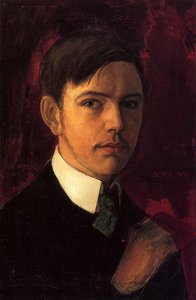
1887–1914, Vokietija
August Macke
Pradžios metai, šeima ir mokslas Augustas Makė savo gyvenimo istoriją pradėjo Vokatijoje, Meschedėje, kur 1887년 January 3 d. gimė ne vienas, o vienintelis sūnus, augintas Augusto Friedricho Hermanno Mackės, statybų rangovo ir amatoriškio dailininko, bei Marios Florentinės šeimoje. Jo vaikystę formavo svyravojanti tėvo verslo sėkmė, dėl kurios šeima persikėlė į Kelną, o vėliau – į Bonną. Net ir mažamei paaugliui jau buvo akivaizdu vizualinės išraiškos trauktinys; savo ankstyvosis metus jis praleido piešdamas skicų ir projektując scenografijas mokyklos spektakliams, surasdamas būdą pernešti savo aplinką ant popieriaus dar prieš jam teikus pasiūlytą oficialų akademinį mokymą.
Taip pat August Macke darbai
 August Macke
Trumpa gyvenimo istorija: August Macke ryškus pasaulis
Meschede
Germany
1887
1914
Apžvalga į modernų gyvenimą: August Macke spalvinga scena
Der Blaue Reiter
--Bendras įspūdis-- Meninis kūrinys pristato stiliaizuotą sceną, kurioje keli1913
 Bathing Girls su miestu fonu1913
 Parduotuvos su kepeliais1913
 Portrait of the Artist's Wife with Hat1909
Esdai apie Vegetable fields
 August Macke: Expressionist Visions of Harmony & Modern LifeExplore the vibrant Expressionist paintings of August Macke (1887-1914). Discover his key role in Der Blaue Reiter, Fauvist influences, and…
 Ekspresionizmo Deimantai: 10 Šedevrai Jūsų Namų DekoruiAtraskite ekspresionizmo šedevrus! 10 įtakingiausių meno kūrinių, atskleisiančių Muncho, Kirchnerio ir kitų meistrų emocijas. Išmokite apie…
 Brushes of Anguish: The Psychological Landscape of Emotional Distress in Post-Impressionist ArtExplore the profound psychological depth of Post-Impressionist masters. Discover how color and form mirror human emotion.