German Expressionism · 1909
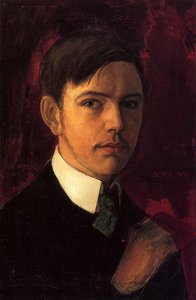
Self-Portrait with Hat (August Macke, 1909)
August Macke (1887–1914) sukūrė Self-Portrait with Hat. Šis kūrinys datuojamas 1909 m. Šis kūrinys priklaulo German Expressionism kieruliui. Pagaminta naudojant Oil On Canvas. Dimensijos – 41 × 32 cm.
- 1909
- Oil On Canvas
- 41 × 32 cm

 Peržiūrėti realaus dydžio版

 Rankinio darbo aliejinės imitacijos paveikslas
 Pasidalinti
 Dalintis
 Informacinė l lapelė


 Atsisiųsti
 Panašūs eksponatai
 Rentgeno spindulių nuotrauka
 Automatinė diorama
 问答

 Statistika
Self-Portrait with Hat, trumpai
- Pavadinimas
- Self-Portrait with Hat
- Autorius
- August Macke (1887–1914)
- Dizainere/is gimęs
- Mešedė, Vokietija
- Data
- 1909
- Mediumas
- Oil On Canvas
- Matmenys
- 41 × 32 cm
- Judėjimas
- German Expressionism
- Tema
- self-portrait, hat, suit, group portrait, male figure, expressionism
Ką vaizduoja Self-Portrait with Hat?
A Glimpse into Modern Conversation: Self-Portrait with Hat
August Macke’s Self-Portrait with Hat, painted in 1909, captures more than just a likeness; it arrests a moment of vibrant, almost theatrical engagement. The central figure dominates the canvas, presented in an air of studied elegance, clad in a sharp suit and tie. Yet, this portrait is far from static. With his mouth slightly open—whether caught mid-sentence or in a soft yawn—the subject seems to breathe life into the painted surface, inviting the viewer not merely to observe, but to participate in the unfolding dialogue.
The Echoes of Modern Life and Company
What elevates this piece beyond a simple study is the inclusion of surrounding figures. To the left and right, two other individuals are visible, smaller yet integral to the composition's narrative weight. They serve as silent witnesses to the main subject’s momentary expression. This grouping suggests a social gathering, a moment plucked from the bustling energy of early 20th-century urban life. Macke masterfully uses these secondary figures to frame and amplify the central personality, creating a dynamic tension between individual focus and communal experience.
Macke's Brushwork: A Symphony of Color and Expression
Technically, this work is deeply rooted in the currents of German Expressionism, though it retains echoes of Impressionist light that Macke absorbed during his formative years. His palette, characteristic of his time, pulses with bold color choices applied with a confident, visible hand. One can almost feel the texture beneath the paint—the quick, decisive strokes that give the figures and their attire a palpable energy. It is a style that refuses to be purely academic; instead, it vibrates with an inner emotional truth, making the painting feel immediate and intensely alive.
Historical Resonance and Emotional Depth
Painted just before the seismic shifts of World War I, this portrait carries an undercurrent of poignant anticipation. Macke’s career, tragically cut short by the war, imbues his work with a bittersweet quality—a celebration of vibrant life against the backdrop of impending historical upheaval. Owning a reproduction of Self-Portrait with Hat is to possess a piece of that pre-war effervescence; it speaks to the confidence and intellectual curiosity of an era at its zenith, while simultaneously whispering of the fragility of human connection.
Bringing the Salon Home
For the discerning collector or interior designer, this artwork offers unparalleled versatility. Its sophisticated blend of formal portraiture with expressive color allows it to anchor a room—be it a study demanding intellectual gravitas or a drawing-room celebrating vibrant social life. The energy contained within Macke’s brushstrokes ensures that the piece remains captivating, inviting contemplation on conversation, identity, and the fleeting beauty of shared moments.
Self-Portrait with Hat dididraudžios kokybės vaizdai

Viešoji domenė: suregalis mirė 1914 m.
Kiti dydžiai, iškarai ir citavimo informacija →
August Macke, Self-Portrait with Hat (1909). Viešoji domenė.
Atsakimai į klausimus apie Self-Portrait with Hat
Kada buvo sukurta „Self-Portrait with Hat“?
„Self-Portrait with Hat“ – August Macke kūrybos metai – 1909.
Kokia technika sukurta „Self-Portrait with Hat“ – August Macke?
August Macke kūriniui „Self-Portrait with Hat“ panaudojo Oil On Canvas techniką. Ši technika apibrėžė originalaus kūrinio medžiaginę prigimtį.
Kokie yra originalaus „Self-Portrait with Hat“ matmenys?
Originalaus kūrinio „Self-Portrait with Hat“ – August Macke matmenys yra 41 x 32 cm.
Kokios temos atsispindi kūrynioje „Self-Portrait with Hat“ – August Macke?
„Self-Portrait with Hat“ – August Macke temos apima self-portrait, hat, suit, group portrait, male figure, expressionism, modern life. Kartu jie apibendrina šio kūrinio tematiką.
Ar „Self-Portrait with Hat“ – August Macke priklauso viešosios teisės domenui?
„Self-Portrait with Hat“ – August Macke yra yra viešosios erdvės dalis – jo autorinė teisė pasibaigusi. Šis statusas nustato, kaip galima reprodukcijaus šio kūrinio vaizdą.
Kas sukūrė „Self-Portrait with Hat“?
„Self-Portrait with Hat“ kūrybinį darbą sukūrė August Macke. Šioje puslapio informacijoje aprašomas August Macke originalus kūrinys.
Kokiam stiliui priklauso „Self-Portrait with Hat“?
Kūrinio „Self-Portrait with Hat“ – August Macke stilius – German Expressionism. Ši klasifikacija leidžia šį darbą įtraukti į bendrą susijusių menininkų ir kūrinių kontekstą.
Kokio August Macke kūrybos etapo dalis yra „Self-Portrait with Hat“?
August Macke kūrybos enceklopedijoje kūrinys „Self-Portrait with Hat“ priskiriamas Early Career laikotarpiui. Šis etapas leidžia palyginti jį su kitais šio autoriaus kūriniais.
Kokia buvo August Macke amžius sukuriant „Self-Portrait with Hat“?
August Macke buvo 22 metų, kai 1909 m. sukūrė kūrinį „Self-Portrait with Hat“. Amžius apskaičiuotas remiantis gimimo metais 1887.
Apie šį menininką, August Macke
1887–1914, Vokietija
August Macke
Pradžios metai, šeima ir mokslas Augustas Makė savo gyvenimo istoriją pradėjo Vokatijoje, Meschedėje, kur 1887년 January 3 d. gimė ne vienas, o vienintelis sūnus, augintas Augusto Friedricho Hermanno Mackės, statybų rangovo ir amatoriškio dailininko, bei Marios Florentinės šeimoje. Jo vaikystę formavo svyravojanti tėvo verslo sėkmė, dėl kurios šeima persikėlė į Kelną, o vėliau – į Bonną. Net ir mažamei paaugliui jau buvo akivaizdu vizualinės išraiškos trauktinys; savo ankstyvosis metus jis praleido piešdamas skicų ir projektując scenografijas mokyklos spektakliams, surasdamas būdą pernešti savo aplinką ant popieriaus dar prieš jam teikus pasiūlytą oficialų akademinį mokymą.
Taip pat August Macke darbai
 August Macke
Trumpa gyvenimo istorija: August Macke ryškus pasaulis
Meschede
Germany
1887
1914
Apžvalga į modernų gyvenimą: August Macke spalvinga scena
Der Blaue Reiter
--Bendras įspūdis-- Meninis kūrinys pristato stiliaizuotą sceną, kurioje keli1913
 Bathing Girls su miestu fonu1913
 Parduotuvos su kepeliais1913
 Portrait of the Artist's Wife with Hat1909
Esdai apie Self-Portrait with Hat
 August Macke: Expressionist Visions of Harmony & Modern LifeExplore the vibrant Expressionist paintings of August Macke (1887-1914). Discover his key role in Der Blaue Reiter, Fauvist influences, and…
 Egon Schiele: 25 Šedevrai, Atspindintys Menininko Sielą | OriginalUniqueArt.ltAtraskite 25 įspūdingiausius Egon Schiele šedevrus! Gilinkitės į ekspresionizmo pasaulį, portretų istorijas ir unikalią menininko spalvų pa…
 Capturing Elegance: The Art of the Formal Gathering in Masterpiece PaintingsExplore the timeless elegance of formal gatherings through the lens of art history. Discover how master painters captured social grace, sta…