Arts and Crafts
Comus 20 (Artūras Rakamas)
Artūras Rakamas (1866–1939) sukūrė Comus 20. Šis kūrinys priklauso Arts and Crafts kieruliui. Pagaminta naudojant Ink On Paper.
- Ink On Paper

 Peržiūrėti

 Rankinio darbo aliejinės imitacijos paveikslas
 Pasidalinti
 Dalintis
 Informacinė lLapelė


 Atsisiųsti
 Panašūs eksponatai
 Rentgeno spindulių nuotrauka
 Automatinė diorama
 Klausimai ir atsakymai

 Statistika
Comus 20, trumpai
- Pavadinimas
- Comus 20
- Autorius
- Artūras Rakamas (1866–1939)
- Autorius gimęs
- Peštas, Vengrija
- Technika
- Ink On Paper
- Judėjimas
- Arts and Crafts
- Laikotarpis
- 19th Century
- Tema
- woman, rocks, waves, mountains, water, hair
Ką vaizduoja Comus 20?
The Depiction of Comus 20 by Artúr Lajos Halmi
In Comus 20, Artúr Lajos Halmi captures a moment of quietude amidst a landscape of movement. A single female figure sits upon a jagged, rocky outcrop, her presence anchored against the restless energy of the natural world. This scene draws its inspiration from the poem Comus, translating its allegorical weight into a visual encounter. The figure remains still, a solitary point of focus against the spray of crashing waves that surge below her perch.
The subject matter leans into the mythological, presenting a scene of introspection or perhaps a quiet despair. Behind the woman, the world stretches toward distant, pale mountains that fade into the horizon. The scale of the landscape emphasizes her isolation. She is a small, delicate presence caught between the solid stone of the cliff and the liquid chaos of the sea. The atmosphere carries a sense of melancholy, as if the air itself holds the weight of the story being told.
Nature provides the primary drama in this depiction. The water breaks in white crests against the dark stone, creating a rhythmic tension that surrounds the central figure. There is a sense of vulnerability in her posture, a stillness that contrasts with the eternal motion of the tide. The mountains loom in the distance, silent and unmoving. The scene remains suspended in a moment of profound solitude.
Composition and Visual Elements of the Artwork
The female figure occupies the lower-middle portion of the frame, a solitary presence amidst the elements. She sits upon a rocky outcrop that acts as a visual anchor, grounding the composition against the surrounding movement. Her posture and expression convey sadness and vulnerability, a quiet stillness held against the weight of the scene. The turbulent water crashes around her, a rhythmic chaos that suggests emotional turmoil.
Light falls softly across the scene, diffused as if through an overcast sky or a fading twilight. This muted illumination avoids harsh shadows, instead casting a somber glow over the textures of stone and spray. The distant mountains appear pale and less defined, receding into a soft atmospheric perspective that deepens the sense of isolation. Everything is held in a delicate balance of shadow and grey.
Technique and Artistic Style of the Piece
The piece is executed in a highly detailed, illustrative style. It functions primarily as a pen-and-ink drawing, where the artist’s hand is felt through the precision of every stroke. Fine, delicate lines trace the movement of the flowing water and the individual strands of the figure's hair. These thin marks create a sense of constant, quiet motion. Subtle layers of light watercolor or graphite may be present, adding a soft weight to the linework.
Texture emerges from the disciplined application of hatching and cross-hatching. These overlapping lines build depth within the rocks and the churning surface of the water. The color palette remains predominantly monochromatic. Shades of grey, beige, and muted browns define the landscape. This restraint in color focuses the eye on the interplay of light and shadow. The atmosphere feels heavy and still.
Comus 20 dididraudžios kokybės vaizdai
Viešoji domenė: suregalis mirė 1939 m.
Artūras Rakamas, Comus 20.
Artūras Rakamas (1866–1939), Comus 20, ink on paper. Viešoji domenė Vaizdas: OriginalUniqueArt.com.
Atsakimai į klausimus apie Comus 20
Kokia technika panaudota kūriniui „Comus 20"]?
„Comus 20“ technika – Ink On Paper.
Kas yra „Comus 20“?
Darbos „Comus 20“ temos yra woman, rocks, waves, mountains, water, hair, grey, brown.
Ar „Comus 20“ – Artūras Rakamas priklauso viešosios teisės domenui?
Autorių teisių statusas kūriniui „Comus 20“ – Artūras Rakamas: kūrinys priklauso yra viešosios erdvės dalis – jo autorinė teisė pasibaigusi. Tai nulemia, ar galima laisvai reprodukciuoti šį vaizdą.
Kuriam menininkui priskiriamas kūrinys „Comus 20“?
„Comus 20“ kūrybinį darbą sukūrė Artūras Rakamas. Šioje puslapio informacijoje aprašomas Artūras Rakamas originalus kūrinys.
Kokio meno kryžmės dalis yra „Comus 20“ – Artūras Rakamas?
Kūrinio „Comus 20“ – Artūras Rakamas stilius – Arts and Crafts. Ši klasifikacija leidžia šį darbą įtraukti į bendrą susijusių menininkų ir kūrinių kontekstą.
Kokio Artūras Rakamas kūrybos etapo dalis yra „Comus 20“?
„Comus 20“ priklauso Artūras Rakamas kūrybos karjeros Mature Period etapui. Ši klasifikacija atspindi kūrinio ryšį su menininko evoliucija.
Ar Artūras Rakamas kūrinys „Comus 20“ yra viešosios nuoslegos ir kodėl?
„Comus 20“, kurį sukūrė Artūras Rakamas, yra yra viešosios erdvės dalis – jo autorinė teisė pasibaigusi. Autorinės teisės apsaugos terminai skaičiuojami nuo autoriaus mirties, o Artūras Rakamas mirė 1939 m.
Kokią vietą Artūras Rakamas kūrybos ešėlyje užima „Comus 20“?
„Comus 20“ priklauso Artūras Rakamas Arts and Crafts kūrybai, kurios įrašytoms temoms priskiriamas mihály munkácsy, golden age illustration, mythological/allegorical scene.
Kokią vietą Artūras Rakamas pasikartojančių temų tarėje užima „Comus 20“?
Dažniausios Artūras Rakamas temos apima mihály munkácsy, golden age illustration, mythological/allegorical scene; kūrinys „Comus 20“ susitelkia į woman, rocks, waves, mountains, water, hair, grey, brown.
Apie menininką Artūras Rakamas

1866–1939, Vengrija
Artūras Rakamas
Šviesos ir Fantazijos Architektas: Artūro Rackhamo Gyvenimas ir Kūrėjai Artūras Rackamas, vardas neatsiejamai susietas su britų knygų iliustracijų aukso amžiumi, pasirodė laikotarpiu, dažnai švenčiamam kaip „auksinis amžius“. Gimęs 1867 metais Lewishame, Kente, didelėje dvylikos vaikų šeimoje, ankstyvas gyvenimas jau rodė artistinį kelią. Kelionė į Australiją septyniolikos metų amžiaus, kartu su dviem tetomis dėl sveikatos priežasčių, pasirodė esanti lemiama, sukeliant tyrinėjimą, kuris apibrėžė jo karjerą. Nors iš pradžių jam buvo numatyta labiau įprasta profesija – tarnauti Vestminsterio ugnies draudimo biure, – Rackamo aistra nuvedė jį į vakaro studijas Lambeth meno mokykloje, esminis sprendimas, kuris nukreipė jį tapti vienu mylimiausių visų laikų iliustratorių.
Taip pat Artūras Rakamas darbai
 Fairy with Parasol
 Jack the Giant-Killer 4 - Šis žydrasis šūkas yra įvykęs Arthur Rackhamo meno kūrinys, kuriame naudojamos išsamios linijos ir įkvepianti šešėlių spalva.
 There is almost nothing that has such a keen sense of fun as a fallen leaf (also known as Joy of a Fallen Leaf)1906
 Hansel picked up the glittering white pebbles and filled his pockets with them.
Esdai apie Comus 20
 Hendrik Goltzius: 25 Iconic Prints and Paintings Defined by Swelling LinesBetween 1586 and 1615, Hendrik Goltzius used the swelling line in 25 works, including Hercules and Cacus and his 1593 Self-Portrait.
 25 Essential Works by Vilhelm Hammershøi: The Quiet Power of Danish Interior Painting25 works created between 1884 and 1909, including Interior, Strandgade 30 and Montague Street in London, detailing the use of light and sha…
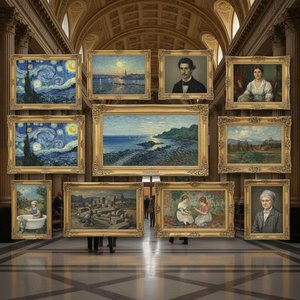 19th Century Masterpieces: 10 Paintings That Defined an Era | OriginalUniqueArtIn 1855, Gustave Courbet rejected romanticized landscapes to show the raw truth of rural life. See the ten works that defined a century.