Romanticism · 1890
Honeymoon (Arnold Böcklin, 1890)
Arnold Böcklin (1827–1901) sukūrė Honeymoon. Šis kūrinys datuojamas 1890 m. Šis kūrinys priklaulo Romanticism kieruliui. Pagaminta naudojant Oil On Canvas. Eksponatas saugomas Städel Museum Frankfurtas, Vokietija. Dimensijos – 72 × 52 cm.
- 1890
- Oil On Canvas
- 72 × 52 cm
- Städel Museum, Frankfurtas

 Peržiūrėti realaus dydžio版

 Rankinio darbo aliejinės imitacijos paveikslas
 Pasidalinti
 Dalintis
 Informacinė l lapelė


 Atsisiųsti
 Panašūs eksponatai
 Rentgeno spindulių nuotrauka
 Automatinė diorama
 问答

 Statistika
Honeymoon, trumpai
- Pavadinimas
- Honeymoon
- Autorius
- Arnold Böcklin (1827–1901)
- Dizainere/is gimęs
- Bazelis, Šveicarija
- Data
- 1890
- Mediumas
- Oil On Canvas
- Matmenys
- 72 × 52 cm
- Kur galima pamatyti
- Städel Museum, Frankfurtas, Vokietija
- Judėjimas
- Romanticism
- Laikotarpis
- 19th Century
- Tema
- romantic landscape, mountain view, intimate scene, atmospheric art, detailed texture, ethereal mood
Ką vaizduoja Honeymoon?
A Moment of Sublime Romance: Arnold Böcklin’s “Honeymoon”
Arnold Böcklin's "Honeymoon," painted in 1890, is more than just a picturesque landscape; it’s a carefully constructed meditation on love, aspiration, and the profound connection between humanity and nature. Measuring 72 x 52 cm, this oil-on-canvas work exemplifies Böcklin's signature style within the Symbolist movement – a style characterized by its evocative mood, symbolic resonance, and meticulous attention to detail. The scene depicts a young couple perched atop a rugged rock formation, overlooking a vast, hazy expanse that speaks of both beauty and mystery. It’s a tableau designed not merely to represent a romantic encounter but to evoke a deeply felt emotion within the viewer.
Romanticism's Embrace: Composition and Technique
- Compositional Strength: The figures, centrally placed yet subtly distanced, draw the eye immediately, establishing a powerful focal point. The horizontal thrust of the rocky outcrop anchors the scene while simultaneously directing the gaze towards the distant landscape. This deliberate arrangement creates a sense of depth and stability, crucial elements within Böcklin’s approach.
- Meticulous Brushwork: Böcklin's technique is immediately apparent in the incredibly detailed brushwork. Layer upon layer of oil paint has been skillfully applied to build up the textures of the stone – rough, weathered, and undeniably ancient – as well as the flowing drapery of the woman’s dress and the delicate strands of her hair. This painstaking process imbues the painting with a remarkable tactile quality.
- Atmospheric Perspective: The use of atmospheric perspective—the subtle blurring of details in the background to suggest distance—further enhances the illusion of depth, transporting the viewer into this serene, almost dreamlike setting.
Symbolic Layers: Interpretation and Meaning
“Honeymoon” is rich with symbolic meaning, reflecting Böcklin’s fascination with themes of mortality, mythology, and the human condition. The elevated position of the figures on the rocky outcrop can be interpreted as a representation of aspiration – a desire to reach for something beyond the mundane. The vast landscape behind them symbolizes the immensity of emotion or experience, suggesting that love is both intensely personal and profoundly connected to the wider world. The muted color palette—browns, ochres, and greens—contributes to the painting’s melancholic yet hopeful mood, reminiscent of Romanticism's exploration of intense feelings and the sublime.
A Masterpiece of the Symbolist Era
Painted in 1890, “Honeymoon” stands as a testament to Arnold Böcklin’s mastery of the Symbolist style. His ability to capture not just visual beauty but also profound emotional and symbolic resonance is evident in every detail. This artwork offers a glimpse into the heart of the Symbolist movement – a movement that sought to express ideas and emotions through evocative imagery, rather than literal representation. A hand-painted reproduction of “Honeymoon” would bring this timeless piece into any interior space, offering a touch of Romantic elegance and contemplative beauty.
Kuriame muziejuje eksponuojamas karya Honeymoon?
Städel Museum
Frankfurtas, Vokietija
Städel Museum kilmė ir istorija Städel Museum istorija prasideda nuo asmeninės kolekcijos, kurią sukumpulį Frankfurtas bankininkas ir meno globėjas Johann Friedrich Städel. 1815 metais įkurtas kaip miesto fondas, institucija buvo oficialiai įstanominta 1817 metais. Städelio tikslas buvo ne tik išsaugoti savo turtą, bet ir suteikti viešumui galimybę pažangti tą meno veikalus, kuriuos jis sukumpulė per savo keliones ir verslo veikla.


Honeymoon dididraudžios kokybės vaizdai

Viešoji domenė: suregalis mirė 1901 m.
Kiti dydžiai, iškarai ir citavimo informacija →Arnold Böcklin, Honeymoon (1890), Städel Museum. Viešoji domenė.
Atsakimai į klausimus apie Honeymoon
Kur šiandien galima pamatyti kūrinį „Honeymoon“ – Arnold Böcklin?
Originalus „Honeymoon“ – Arnold Böcklin saugomas Städel Museum, Frankfurtas, Vokietija. Kopija leidžia šį kūrinį eksponuoti namuose.
Kuriem metais buvo sukurta „Honeymoon“ – Arnold Böcklin?
„Honeymoon“ – Arnold Böcklin sukurtas 1890 m.
Kokia technika buvo panaudota kūriniam darbui „Honeymoon“ – Arnold Böcklin?
„Honeymoon“ – Arnold Böcklin technika – Oil On Canvas. Kopijos siekia atkartoti šios technikos vaizdą.
Kokie yra originalaus „Honeymoon“ – Arnold Böcklin matmenys?
Įrašyti kūrinio „Honeymoon“ – Arnold Böcklin matmenys yra 72 x 52 cm. Kopijas galima užsisakyti kitais dydžiais, išlaikant tą pačius proporcijas.
Kas yra „Honeymoon“?
Darbos „Honeymoon“ temos yra romantic landscape, mountain view, intimate scene, atmospheric art, detailed texture, ethereal mood, symbolism, vintage painting.
Ar „Honeymoon“ – Arnold Böcklin priklauso viešosios teisės domenui?
Kalbant apie autorišką teisę, „Honeymoon“ yra yra viešosios erdvės dalis – jo autorinė teisė pasibaigusi.
Kas sukūrė „Honeymoon“?
„Honeymoon“ kūrybinį darbą sukūrė Arnold Böcklin. Šioje puslapio informacijoje aprašomas Arnold Böcklin originalus kūrinys.
Kokiam stiliui priklauso „Honeymoon“?
„Honeymoon“ – Arnold Böcklin priklauso Romanticism stiliui. Ši dailės kryptis suteikia kūriniui stilistinį kontekstą.
Kokio Arnold Böcklin kūrybos etapo dalis yra „Honeymoon“?
„Honeymoon“ priklauso Arnold Böcklin kūrybos karjeros Mature Period etapui. Ši klasifikacija atspindi kūrinio ryšį su menininko evoliucija.
Apie šį menininką, Arnold Böcklin
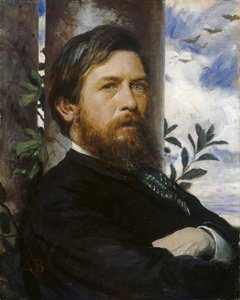
1827–1901, Šveicarija
Arnold Böcklin
Salos šešėlis Šveicarijos Bazelis tampa gyvenimo pradžia, apibrėžta įtampu tarp to, kas materialu, ir to, kas spektralu. Gimęs 1827 m. spalio 16 d. šeimoje, kurioje tėvas Christian Frederick Böcklin buvo šilko verslininkas, jaunas žmogus, Arnoldas Böcklinas, vėliau paliko šeimos verslą ir pasirinko griežtą Düsseldorfio akademijos mokslą.
Taip pat Arnold Böcklin darbai
 Mirusiųjų sala (Pirmoji versija)1880
 Autoportretas su mirtimi grobiančia smuikui
 Karys1896
 The Isle of the Dead (Version 2)1880

Esdai apie Honeymoon
 A Study in Melancholy: Finding Human Sorrow within the Post-Impressionist TraditionExplore the profound expression of grief through Munch, Van Gogh, and Degas. Discover the soul of Post-Impressionism with our expert study.
 The Language of Brushstrokes: Decoding Emotion and Technique in Art HistoryExplore the profound connection between technique and emotion. From the sculptural depth of impasto to classical mastery, decode the langua…
 Nature's Sublime Majesty: The Emotional Resonance and Spiritual Depth of Romantic Landscape PaintingExplore the spiritual depth of German Romanticism and Caspar David Friedrich's sublime landscapes. Discover the power of nature's majesty n…