Baroque Painting · 1601
Rinaldo and Armida (Annibale Carracci, 1601)
Annibale Carracci (1560–1609) sukūrė Rinaldo and Armida. Šis kūrinys datuojamas 1601 m. Šis kūrinys priklaulo Baroque Painting kieruliui. Eksponatas saugomas Museo di Capodimonte Neapolis, Italija.

 Peržiūrėti realaus dydžio版

 Rankinio darbo aliejinės imitacijos paveikslas
 Pasidalinti
 Dalintis
 Informacinė l lapelė


 Atsisiųsti
 Panašūs eksponatai
 Rentgeno spindulių nuotrauka
 Automatinė diorama
 问答

 Statistika
Rinaldo and Armida, trumpai
- Pavadinimas
- Rinaldo and Armida
- Autorius
- Annibale Carracci (1560–1609)
- Dizainere/is gimęs
- Bolonija, Italija
- Data
- 1601
- Kur galima pamatyti
- Museo di Capodimonte, Neapolis, Italija
- Judėjimas
- Baroque Painting
- Tema
- rinaldo, armida, love, romance, saracen, tasso
Ką vaizduoja Rinaldo and Armida?
The Genesis of a Dramatic Narrative
Annibale Carracci’s “Rinaldo and Armida,” painted in 1601, isn't merely a depiction of a legendary tale; it’s a vibrant distillation of the late Renaissance’s fascination with classical mythology interwoven with burgeoning Baroque drama. Commissioned for the Palazzo Farnese in Rome, this monumental canvas embodies a pivotal moment within Tasso’s epic poem “Rinaldo,” a work that captivated audiences with its blend of chivalry, love, and perilous adventure. Carracci, along with his brother Agostino and cousin Ludovico, were tasked with transforming the complex narrative into a series of grand frescoes, aiming to revive the grandeur of High Renaissance ideals while injecting a palpable sense of dynamism – a hallmark of the emerging Baroque style. The painting itself is a testament to this ambition, radiating an energy that pulls the viewer directly into the heart of the scene.
A Symphony of Color and Movement
Carracci’s masterful technique is immediately apparent in the rich, layered application of paint. He employs a sophisticated *sfumato* – a subtle blurring of lines and edges – to create an atmosphere of both immediacy and depth. The figures are not rendered with sharp, precise outlines but rather emerge from a haze of color, lending them a sense of ethereal beauty and vulnerability. Notice the dramatic use of light; it’s not uniformly distributed but strategically employed to highlight key elements—Rinaldo's heroic stance, Armida’s sorrowful gaze, and the swirling vortex of the enchanted garden. The palette is dominated by warm reds, golds, and deep blues, creating a visual feast that mirrors the passionate emotions at play. The artist’s meticulous attention to detail extends to the intricate folds of their garments, the textures of the foliage, and even the subtle reflections in the water – all contributing to an astonishingly realistic effect for its time.
Symbolism Woven into a Romantic Scene
Beyond the immediate narrative, “Rinaldo and Armida” is laden with symbolic meaning. The scene itself—a passionate embrace amidst a fantastical garden—represents the precarious balance between love and duty, desire and obligation. Armida’s enchanted realm, filled with exotic birds and shimmering foliage, symbolizes her seductive power and the allure of escape from the constraints of war and responsibility. Rinaldo's struggle to resist her charms speaks to the internal conflict faced by heroes caught between their romantic passions and their sworn oaths. The presence of the two birds—one perched near the top left corner, the other towards the center-right—adds another layer of interpretation, perhaps representing messengers or omens, subtly guiding the viewer’s eye through the composition. The swords held by Rinaldo and his companions are not merely weapons but symbols of their commitment to Christian ideals and the defense of Jerusalem.
A Bridge Between Eras
“Rinaldo and Armida” stands as a crucial link between the High Renaissance’s emphasis on harmony and balance and the Baroque’s embrace of drama, emotion, and movement. Carracci skillfully synthesizes these influences, creating an artwork that is both formally sophisticated and emotionally resonant. His work profoundly impacted subsequent generations of artists, particularly influencing the development of illusionistic painting in Rome. Studying this masterpiece offers a valuable insight into the artistic currents of its time—a period of intense intellectual and creative ferment that ultimately shaped the course of Western art history. It’s a testament to Carracci's ability to capture not just a story but the very essence of human experience, rendered with breathtaking skill and profound beauty.
Kuriame muziejuje eksponuojamas karya Rinaldo and Armida?
Museo di Capodimonte
Neapolis, Italija
The History of Museo di Capodimonte The origins of the Museo di Capodimonte lie in the early 18th century. In 1738, King Charles VII of Naples and Sicily commissioned the construction of a modest hunting lodge on the Capodimonte hill. As the scale of the royal residence grew, the purpose of the site shifted.


Rinaldo and Armida dididraudžios kokybės vaizdai

Viešoji domenė: suregalis mirė 1609 m.
Kiti dydžiai, iškarai ir citavimo informacija →Annibale Carracci, Rinaldo and Armida (1601), Museo di Capodimonte. Viešoji domenė.
Atsakimai į klausimus apie Rinaldo and Armida
Kuriam muziejui priklauso originalus „Rinaldo and Armida“?
Originalų kūrinį „Rinaldo and Armida“ galite pamatyti Museo di Capodimonte, Neapolis, Italija.
Kuriem metais buvo sukurta „Rinaldo and Armida“ – Annibale Carracci?
„Rinaldo and Armida“ – Annibale Carracci sukurtas 1601 m.
Kas yra „Rinaldo and Armida“?
„Rinaldo and Armida“ – Annibale Carracci vaizdeletas: rinaldo, armida, love, romance, saracen, tasso, italy, 1601.
Ar „Rinaldo and Armida“ – Annibale Carracci priklauso viešosios teisės domenui?
Kalbant apie autorišką teisę, „Rinaldo and Armida“ yra yra viešosios erdvės dalis – jo autorinė teisė pasibaigusi.
Kas yra „Rinaldo and Armida“ kūrybos autorius?
„Rinaldo and Armida“ kūrybinį darbą sukūrė Annibale Carracci. Šioje puslapio informacijoje aprašomas Annibale Carracci originalus kūrinys.
Kokio meno kryžmės dalis yra „Rinaldo and Armida“ – Annibale Carracci?
„Rinaldo and Armida“ yra Baroque Painting stiliaus kūrinys. Šis dailos kryptis nurodo meninę tradiciją, kurios šis darbas yra dalis.
Kokio Annibale Carracci kūrybos etapo dalis yra „Rinaldo and Armida“?
„Rinaldo and Armida“ atspindi Annibale Carracci kūrybinį laikotarpį Late Renaissance.
Kiek metų buvo Annibale Carracci, kai sukūrė „Rinaldo and Armida“ 1601 m.?
Kai 1601 m. buvo sukurta „Rinaldo and Armida“, Annibale Carracci – gimęs 1560 m. – buvo 41 metų amžiaus.
Kodėl „Rinaldo and Armida“ autoriškos teisės statusas yra toks, koks yra?
Autorinės teisės statusas kūriniui „Rinaldo and Armida“ – yra viešosios erdvės dalis – jo autorinė teisė pasibaigusi – nustatomas remiantis to, kad menininkas mirė 1609 m.
Apie šį menininką, Annibale Carracci
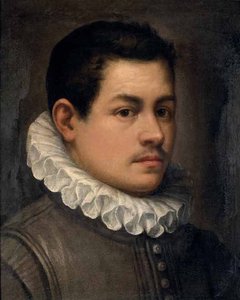
1560–1609, Italija
Annibale Carracci
Anibalės Karaccio Ankstyvieji Metai ir Bolonijos Šaknys Anibalė Karaccio, gimęs Bolonijoje 1560 metų lapkričio 3 dieną, iškilęs iš šeimos, giliai įsitvirtinusios meno tradicijose. Jo pirmasis mokymas greičiausiai vyko jo šeimos dirbtuvėje, padėjus pamatus karjerai, kuri turėjo reikšmingai pakeisti Italijos tapybos kraštovaizdį. Bolonija tuo metu buvo gyvybingas intelektualinio ir meninio fermento centras, tačiau atrodė šiek tiek nutolusi nuo pagrindinių srovių, sklindančių iš Romos ir Venecijos. Šis provinciškumo jausmas paskatino jaunų menininkų grupę – Anibalę, jo brolį Agostino ir pusbrolį Ludovico – siekti naujo kelio, kuris atgaivintų Italijos meną, žvelgiant į Aukštosios Renesanso meistrus, kartu priimant natūralesnį požiūrį.
Taip pat Annibale Carracci darbai
 Šaltatvėkio saulė
 Heraklio pasirinkimas
 Herkulės pasirinkimas1596
 Ežero krajobūdis1589

Esdai apie Rinaldo and Armida
 Dutch Baroque Masters: 10 Paintings That Shaped an Era | OriginalUniqueArtJourney through the Golden Age with our guide to the Top 10 Dutch Baroque masterpieces! Explore iconic paintings by Rembrandt, Vermeer & Fr…
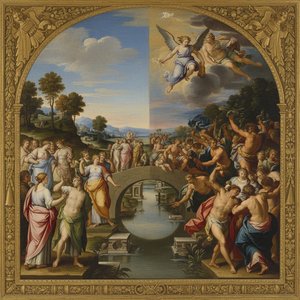 Annibale Carracci: Bridging Renaissance Ideals & Baroque InnovationExplore the life & art of Annibale Carracci, a pivotal figure bridging Renaissance ideals with Baroque innovation. Discover his masterpiece…
 Giorgione: Enigma and Innovation in Early Venetian Renaissance PaintingExplore the enigmatic world of Giorgione, a pivotal figure in the Venetian Renaissance. Discover his innovative techniques, iconic painting…