Pop Art
Mick Jagger (Andy Warhol)
Mick Jagger – tai Andy Warhol (1928–1987) kūrinys. Šis kūrinys priklaulo Pop Art kieruliui. Pagaminta naudojant Šilkografija.
- Šilkografija

 Peržiūrėti realaus dydžio版

 Rankinio darbo aliejinės imitacijos paveikslas
 Pasidalinti
 Dalintis
 Vadovas


 Atsisiųsti
 Panašūs eksponatai
 Rentgeno spindulių nuotrauka
 Automatinė diorama
 问答

 Statistika
Mick Jagger: pagrindinė informacija
- Pavadinimas
- Mick Jagger
- Autorius
- Andy Warhol (1928–1987)
- Dizainere/is gimęs
- Pitsburgas, Jungtinės Amerikos Valstijos
- Mediumas
- Šilkografija
- Judėjimas
- Pop Art
- Laikotarpis
- Modernizmas
Žvelgiant į Mick Jagger
Mick Jagger: A Pop Art Icon by Andy Warhol
- Artist: Andy Warhol
- Birth Year: 1928
- Death Year: 1987
Andy Warhol, a towering figure in the Pop Art movement, immortalized Mick Jagger, the charismatic frontman of The Rolling Stones, in a series of screen prints that capture the essence of rock and roll rebellion. This artwork is more than just a portrait; it's a cultural statement reflecting the burgeoning celebrity culture of the 1970s and Warhol’s fascination with fame, image, and mass production.
Style and Technique: The Essence of Pop Art
Warhol’s style is instantly recognizable – bold, graphic, and deliberately impersonal. He employed the screen printing technique, a process borrowed from commercial printing, to create multiple impressions of Jagger's likeness. This method allowed for repetition and variation, mirroring the mass-produced imagery prevalent in advertising and consumer culture. The use of vibrant, often contrasting colors—sometimes stark black and white—further emphasizes the artwork’s Pop Art aesthetic. Warhol didn't strive for photorealistic representation; instead, he abstracted Jagger's image, reducing it to its essential elements – a recognizable face, a rebellious attitude.
Historical Context: The Rolling Stones and 1970s Culture
The creation of this portrait is deeply rooted in the cultural landscape of the 1970s. The Rolling Stones were at the peak of their fame, embodying the spirit of rock and roll rebellion and challenging societal norms. Warhol’s collaboration with Jagger began in 1963 when he designed the cover for *The Rolling Stones' Early Years* album. Their friendship deepened over time, culminating in this portfolio of ten screen prints published in 1975. The artwork reflects a period of significant social change and artistic experimentation, where traditional notions of art were being questioned and redefined.
Symbolism and Emotional Impact
The portrait of Mick Jagger is rich with symbolism. Jagger’s iconic status as a rock star represents youth, rebellion, and the power of popular culture. Warhol's use of repetition suggests the commodification of celebrity – how images are endlessly reproduced and consumed by the masses. The often-blurred or fragmented nature of Jagger’s face can be interpreted as a commentary on the elusive nature of identity in the age of mass media. Emotionally, the artwork evokes a sense of energy, excitement, and perhaps even a touch of irony. It captures the raw charisma of Mick Jagger while simultaneously questioning the very concept of celebrity.
A Lasting Legacy
Andy Warhol’s portrait of Mick Jagger remains an enduring symbol of Pop Art and a testament to the power of image in contemporary culture. Its bold aesthetic, historical significance, and emotional resonance continue to captivate audiences worldwide. Owning a reproduction of this iconic artwork is not just acquiring a piece of art; it's embracing a moment in history and celebrating the legacy of two cultural giants.
Mick Jagger dididžioja:resoliucija

Autorių teisės apsaugotos: vaizdas pateikiamas tik informacinėms tikslams.
Daugiau variantų, iškaržymų ir citavimo →Andy Warhol, Mick Jagger.
Dalykas Mick Jagger: klausimai
Kur galiu rasti „Mick Jagger“ vadovą?
Dėl „Mick Jagger“ – Andy Warhol yra prieinama Informacinė medžiaga puslapio: spausdinamas informacinis lapelis apie kūrinį, skirtas studentams ir mokomajamiam procesui klasėje.
Kaip atsisiųsti „Mick Jagger“ – Andy Warhol vaizdą?
Kūrinio „Mick Jagger“ – Andy Warhol vaizdą galite atsisiųsti puslapio Atsisiųsti skaitmeninį vaizdą skiltyje: aukštos raiškos skaitmeninio vaizdo atsisiuntimas.
Kokią nuotaiką ir emociją sujungia „Mick Jagger“?
„Mick Jagger“ – Andy Warhol perteikia Dramatiškas pojūtį bendroje Aktyvus nuotaikoje.
Kokią vietą meno istorijoje užima „Mick Jagger“ – Andy Warhol?
Dailos istorinė „Mick Jagger“ – Andy Warhol klasifikacija – tai Pop Art stilius, Modernizmas laikotarpiu.
Kokia technika ir stilius charakterizuoja „Mick Jagger“ – Andy Warhol?
„Mick Jagger“ – Andy Warhol sujungia Šilkografija techniką su Pop Art stiliumi. Technika ir stilius apibūdina kūrinio gamybos būdą bei jo estetinį iš Ausdrucką.
Ar „Mick Jagger“ – Andy Warhol yra šviesaus ar tamsaus tono kūrinys?
„Mick Jagger“ bendroji ryškumas yra žibesintis, o švytėjimas – Šviesos intensyvumas.
Ar „Mick Jagger“ pasižymi stipriais šviesos ir tamsos kontrastais?
Kūrinio „Mick Jagger“ – Andy Warhol kontrasto lygis yra Pareiškimas.
Kokia yra „Mick Jagger“ – Andy Warhol spalvų gama?
„Mick Jagger“ apibūdiną Neutralios spalvos paletė, kurioje dominuoja Nusišlifuota mediena (#997b52).
Kaip galiu peržiūrėti „Mick Jagger“ – Andy Warhol reprodukciją?
„Mick Jagger“ – Andy Warhol peržiūra galima kūrinio Peržiūra interjere puslapyje.
Apie šį menininką, Andy Warhol

1928–1987, Jungtinės Amerikos Valstijos
Andy Warhol
Endžio Varolio: Amerikos Vaizdų Simfonija Endis Varolas, gimęs Andrew Warhola jaunesnysis 1928 metais Pitsburgo pramoniniame širdyje, Pensilvanijoje, buvo figūra, paskirtas peržengti meno ir garsumo ribas. Jo ankstyvieji metai pasižymėjo tiek vargumais, tiek kylant menine kūryba. Vaikystės liga, Sydenhamo chorea – dažnai vadinama Šv. Vito šokiu – ilgam apribojo jį namuose, skatindamas intensyvią vidinę pasaulį, kuriame meninis pasireiškimas tapo gyvybiškai svarbia išlaisvinimo priemone.
Taip pat Andy Warhol darbai
 „Campbell“ sriandėlių skardinės1962
 Marilinų diptichas1962
 White car crash 19 times, Private1963
 Merilin, Leo Castelli galerija, Niujorkas1964
Essays around Mick Jagger
 Andy Warholo Top 25 Kūriniai: Pop Art Šedevrai Jūsų InterjeruiAtraskite 25 ikoniškiausius Andy Warholo pop art kūrinius! Sužinokite apie Marilyn Diptych, Campbell's Soup Cans ir kitus šedevrus. Meno re…
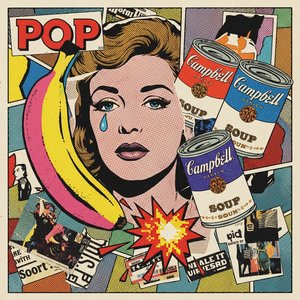 Challenging Conventions: Pop Art's Origins, Evolution & Enduring LegacyExplore the fascinating history of Pop Art, from its rebellious origins to its enduring influence on contemporary artists. Discover key fig…
 Pop Art Unmasked: The Bold Tech Behind Warhol’s Screenprints and Lichtenstein’s DotsGo behind the scenes of Pop Art's visual revolution. Discover the industrial secrets of Warhol’s silk screens and Lichtenstein’s iconic Ben…