Fauvism · 1912
Cliffs (André Derain, 1912)
André Derain (1880–1954) sukūrė Cliffs. Šis kūrinys datuojamas 1912 m. Šis kūrinys priklaulo Fauvism kieruliui.
- 1912

 Peržiūrėti realaus dydžio版

 Rankinio darbo aliejinės imitacijos paveikslas
 Pasidalinti
 Dalintis
 Vadovas


 Atsisiųsti
 Panašūs eksponatai
 Rentgeno spindulių nuotrauka
 Automatinė diorama
 问答

 Statistika
Cliffs: pagrindinė informacija
- Pavadinimas
- Cliffs
- Autorius
- André Derain (1880–1954)
- Dizainere/is gimęs
- Chatou, Prancūzija
- Data
- 1912
- Judėjimas
- Fauvism
- Tema
- landscape, cliffs, mountains, village, waterfall, fauvism
Ką vaizduoja Cliffs?
A Vision of Verdant Majesty: André Derain's "Cliffs"
André Derain’s “Cliffs,” painted in 1912 and residing within the esteemed State Hermitage Museum, is more than just a landscape; it's a vibrant testament to the revolutionary spirit of Fauvism. This artwork captures a breathtaking vista of mountains, cliffs, and cascading waterfalls, transporting viewers to a realm where nature’s power and tranquility intertwine. The scene unfolds with a charming village nestled in the valley below, framed by majestic peaks blanketed in lush greenery – an idyllic paradise rendered through Derain's distinctive lens. Two quaint houses near the bottom left corner add a touch of human presence to this otherwise wild expanse. The overall impression is one of dynamic energy and harmonious balance, showcasing nature’s grandeur alongside the quiet resilience of human settlement.Fauvism in Full Bloom: Style & Technique
"Cliffs" exemplifies the core tenets of Fauvism, a groundbreaking art movement that emerged in the early 20th century. Characterized by its bold use of color and expressive brushstrokes, Fauvism sought to liberate painting from representational constraints, prioritizing emotional impact over strict realism. Derain, alongside contemporaries like Henri Matisse, was a pivotal figure in this movement. The technique employed here is immediately striking: colors are applied directly to the canvas with loose, gestural strokes, creating a textured surface that vibrates with energy. Notice how the blues of the sky aren't blended seamlessly but rather layered and juxtaposed, contributing to a sense of atmospheric depth. The simplification of forms – cliffs rendered as sweeping planes of color rather than meticulously detailed rock faces – further emphasizes the painting’s emotional intensity. The lack of precise detail encourages viewers to engage with the artwork on a visceral level, responding to its raw energy and vibrant hues.Historical Context & Artistic Influences
Painted in 1912, "Cliffs" reflects a period of significant artistic experimentation. Following the Impressionists' focus on capturing fleeting moments of light, Fauvism pushed boundaries even further, embracing subjectivity and emotional expression. Derain’s work during this time was also influenced by his exploration of London, where he captured the city with a radical perspective distinct from previous depictions. The movement itself arose as a reaction against the academic traditions that dominated the art world at the time, seeking to forge a new path for artistic innovation and personal expression. Derain’s willingness to break free from conventional representation positioned him at the forefront of this transformative era.Symbolism & Emotional Resonance
Beyond its aesthetic appeal, "Cliffs" carries symbolic weight. The imposing cliffs themselves can be interpreted as symbols of strength, permanence, and the enduring power of nature. The small village nestled below suggests human resilience and adaptability in the face of such grandeur. The cascading waterfall represents a constant cycle of renewal and transformation. Ultimately, Derain’s "Cliffs" evokes a profound sense of tranquility and awe. It invites viewers to contemplate the beauty and majesty of the natural world while simultaneously celebrating the power of artistic expression to convey complex emotions and ideas. The painting's vibrant colors and dynamic composition create an uplifting and inspiring experience, making it a timeless masterpiece that continues to resonate with audiences today.Cliffs dididžioja:resoliucija

Viešoji domenė: suregalis mirė 1954 m.
Daugiau variantų, iškaržymų ir citavimo →André Derain, Cliffs (1912). Viešoji domenė.
Skaitmeninis ekspertas lygina spalvas su originaliu paveikslu ir retušuoja failą, tiksliai atkartojantys autoriaus brushwork stilių.
Pirkti didelės raiškos vaizdąDalykas Cliffs: klausimai
Kada buvo sukurta „Cliffs“?
„Cliffs“ – André Derain kūrybos metai – 1912.
Kokios temos atsispindi kūrynioje „Cliffs“ – André Derain?
Darbos „Cliffs“ temos yra landscape, cliffs, mountains, village, waterfall, fauvism, hermitage.
Ar „Cliffs“ – André Derain priklauso viešosios teisės domenui?
„Cliffs“ – André Derain yra yra viešosios erdvės dalis – jo autorinė teisė pasibaigusi. Šis statusas nustato, kaip galima reprodukcijaus šio kūrinio vaizdą.
Kas yra „Cliffs“ kūrybos autorius?
Kūrinį „Cliffs“ sukūrė André Derain. Darbas katalogizuojamas André Derain vardu.
Kokio meno kryžmės dalis yra „Cliffs“ – André Derain?
„Cliffs“ yra Fauvism stiliaus kūrinys. Šis dailos kryptis nurodo meninę tradiciją, kurios šis darbas yra dalis.
Kokio André Derain kūrybos etapo dalis yra „Cliffs“?
„Cliffs“ atspindi André Derain kūrybinį laikotarpį Early Fauvist Period.
Kokia buvo André Derain amžius sukuriant „Cliffs“?
André Derain buvo 32 metų, kai 1912 m. sukūrė kūrinį „Cliffs“. Amžius apskaičiuotas remiantis gimimo metais 1880.
Ar André Derain kūrinys „Cliffs“ yra viešosios nuoslegos ir kodėl?
„Cliffs“ – André Derain yra yra viešosios erdvės dalis – jo autorinė teisė pasibaigusi. Autorinės teisės galioja nuo mirties metų, kai šis kūrėjas mirė 1954 m.
Kaip kūrinys „Cliffs“ dera su André Derain temomis ir stiliumi?
„Cliffs“ priklauso André Derain Fauvism kūrybai, kurios įrašytoms temoms priskiriamas represents a key work in derain's fauvist phase., celebrates nature’s beauty, tranquility, and vibrancy..
Apie šį menininką, André Derain
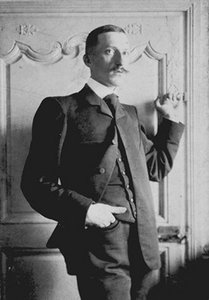
1880–1954, Prancūzija
André Derain
Ankstyvas gyvenimas ir Fauvizmo sėklos André Derainas, gimęs 1880 metais žavingame Šatuo kaime netoli Paryžiaus, iš pradžių nebuvo lemta gyventi tapybai ir drobėms. Priešingai nei kartais pasakojama apie staigų artistinį pabudimą susitikimų su tokiais dailininkais kaip Vlaminck ar Matisse dėka, Derainas ėmėsi meno kelio savarankiškai maždaug 1895 metais. Šios pirmosios patirtys dažnai vykdavo kartu su tėvu Jacominu ir jo sūnumis kaimo ekskursijų metu – formacinis įvykis, suteikęs gilų natūralaus pasaulio supratimą. Trumpai studijavęs inžineriją Camillo akademijoje 1898 metais, jis lemtingai susitiko su Henri Matisse, pradėdamas svarbiausią artistinę partnerystę.
Taip pat André Derain darbai
 bathers1907
 London Bridge1906
 Charing Cross from sw1906
 Landscape at L'Estaque1906

Esdai apie Cliffs
 André Derain: Fauvism's Bold Visionary & the Evolution of Modern ColorExplore the revolutionary art of André Derain, co-founder of Fauvism. Discover his bold use of color, evolution from radical expressionism …
 The Architecture of Awe: Examining the Sublime Power of Cliffs in Romantic Landscape ArtExplore the profound power of cliffs in Romantic art through expert analysis of the sublime. Discover the masters of landscape today.
 Fauvism vs German Expressionism: Distinguishing Color and EmotionMaster the differences between Fauvism and German Expressionism through expert analysis. Learn to decode the emotion behind the color today.