Art Nouveau
(86) (Alfonzas Muha)
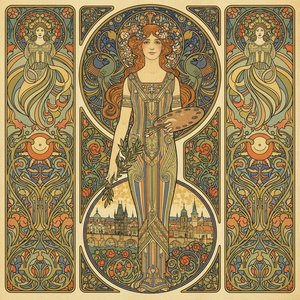
Alfonzas Muha (1860–1939) sukūrė (86). Šis kūrinys priklaulo Art Nouveau kieruliui. Pagaminta naudojant Acrylic On Canvas.
- Acrylic On Canvas

 Peržiūrėti realaus dydžio版

 Rankinio darbo aliejinės imitacijos paveikslas
 Pasidalinti
 Dalintis
 Informacinė l lapelė


 Atsisiųsti
 Panašūs eksponatai
 Rentgeno spindulių nuotrauka
 Automatinė diorama
 问答

 Statistika
(86), trumpai
- Pavadinimas
- (86)
- Autorius
- Alfonzas Muha (1860–1939)
- Dizainere/is gimęs
- Brnas, Čekija
- Mediumas
- Acrylic On Canvas
- Judėjimas
- Art Nouveau
- Laikotarpis
- 19th Century
Ką vaizduoja (86)?
Alphonse Mucha’s “86”: A Symphony of Art Nouveau
“86,” a captivating painting by Alphonse Maria Mucha, presents a scene brimming with feminine grace and vibrant energy – a quintessential embodiment of the artist's signature Art Nouveau style. This work, likely created around the early 20th century when Mucha was at the height of his fame, immediately draws the eye with its bold color palette: a luminous yellow background punctuated by striking red accents that lend an almost theatrical intensity to the composition. The painting depicts a group of women, their figures rendered in flowing robes and adorned with elaborate floral headdresses – a recurring motif in Mucha’s oeuvre – suggesting a scene of leisure, perhaps a gathering of friends or a salon setting. Scattered throughout are several chairs, strategically placed to guide the viewer's eye and contribute to the overall sense of movement and dynamism.
The Masterstroke of Art Nouveau
Alphonse Mucha’s artistic legacy rests firmly within the framework of Art Nouveau, a style that rejected academic traditions in favor of organic forms, flowing lines, and an emphasis on beauty. Influenced by artists like Pierre-Auguste Renoir and Gustave Moreau, Mucha developed his own distinctive approach – one characterized by idealized female figures, intricate floral designs, and a deliberate sense of movement. “86” exemplifies these qualities perfectly. Note the sinuous curves of the women’s garments, mirroring the natural world; the delicate rendering of the flowers in their hair, each petal meticulously crafted with an almost obsessive attention to detail; and the overall feeling that the scene is perpetually caught in a graceful, flowing moment. Mucha's work was not merely decorative; it aimed to evoke a sense of wonder and enchantment, transporting the viewer to a realm of beauty and serenity.
Symbolism and Narrative
While the precise narrative of “86” remains somewhat open to interpretation, several symbolic elements contribute to its rich visual language. The abundance of women suggests themes of community, friendship, and perhaps even fertility – common motifs within Art Nouveau. The bird, subtly integrated into the composition, could represent freedom, joy, or a connection to nature. Mucha frequently employed such subtle symbols to add layers of meaning to his work, inviting viewers to engage in a deeper contemplation of its subject matter. The painting’s overall atmosphere is one of lively celebration and feminine power, reflecting Mucha's fascination with portraying idealized female beauty.
Hand-Painted Reproduction: Bringing Mucha to Life
OriginalUniqueArt offers a meticulously hand-painted reproduction of “86,” capturing the essence of Mucha’s original masterpiece. Each reproduction is created by skilled artisans, employing traditional oil painting techniques to faithfully recreate the vibrant colors and intricate details of the artwork. The result is a stunning piece of art that will enhance any interior space while celebrating the enduring legacy of Alphonse Mucha. Available in various sizes, this reproduction provides an accessible way to own a significant work of Art Nouveau history. Order yours today and experience the magic of Mucha’s vision firsthand.
(86) dididraudžios kokybės vaizdai
Viešoji domenė: suregalis mirė 1939 m.
Alfonzas Muha, (86). Viešoji domenė.
Atsakimai į klausimus apie (86)
Kokia technika sukurta „(86)“ – Alfonzas Muha?
Alfonzas Muha kūriniui „(86)“ panaudojo Acrylic On Canvas techniką. Ši technika apibrėžė originalaus kūrinio medžiaginę prigimtį.
Ar „(86)“ – Alfonzas Muha priklauso viešosios teisės domenui?
Autorių teisių statusas kūriniui „(86)“ – Alfonzas Muha: kūrinys priklauso yra viešosios erdvės dalis – jo autorinė teisė pasibaigusi. Tai nulemia, ar galima laisvai reprodukciuoti šį vaizdą.
Kas sukūrė „(86)“?
„(86)“ priskiriamas Alfonzas Muha.
Kokiam stiliui priklauso „(86)“?
„(86)“ yra Art Nouveau stiliaus kūrinys. Šis dailos kryptis nurodo meninę tradiciją, kurios šis darbas yra dalis.
Ar Alfonzas Muha kūrinys „(86)“ yra viešosios nuoslegos ir kodėl?
„(86)“ – Alfonzas Muha yra yra viešosios erdvės dalis – jo autorinė teisė pasibaigusi. Autorinės teisės galioja nuo mirties metų, kai šis kūrėjas mirė 1939 m.
Apie šį menininką, Alfonzas Muha

1860–1939, Čekija
Alfonzas Muha
Ankstyvas gyvenimas ir išsilavinimas Alfonzas Marija Mucha (Alfonsas Mucha) gimė 1860 metų liepos 15 dieną Ivaničicėje, Moravijoje (dabartinėje Čekijos Respublikoje). Netrukus pasireiškė jo meninis talentas. Studijavo meno akademijoje Prahoje, tačiau nusivylęs tradiciniais metodais, 1887 metais persikėlė į Paryžių, siekdamas kurti savitu stiliumi. Šis sprendimas tapo lemtingu žingsniu jo kūrybiniame kelyje, atvėrusiu duris į naują meno erą – Art Nouveau.
Taip pat Alfonzas Muha darbai
 The Moon
 Nude
 The Apotheosis of the Slavs1926
 Stained-Glass Window in St. Vitus Cathedral
Esdai apie (86)
 Alphonse Mucha: A Comprehensive Exploration of Art Nouveau's Master of Decorative SymbolismExplore the life & art of Alphonse Mucha, master of Art Nouveau! Discover his iconic posters, stunning illustrations, and the monumental Sl…
 Pierre'Auguste Renoir: 25 Šedevrai, Apšviečiantys Prancūzijos Grožį | OriginalUniqueArtAtraskite 25 Pierre'Auguste Renoir šedevrus! Impresionizmo meistro paveikslai, kupini šviesos ir grožio. Meno istorija, technikos paslaptys…
 Feathered Masterpieces: The Enchanting World of Impressionist Bird ArtDiscover the ethereal beauty of Impressionist bird art. Explore how masters like Monet and Renoir captured light and motion through feather…