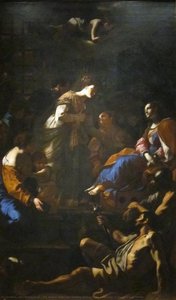
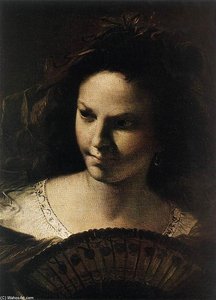
Mattia Preti portretas

98 garsiausių Mattia Preti paveikių – kiekvienas yra unikalus

Atnaujinta spalis 2026 · pagal mūsų populiarumumo koeficientą (paieškos, lankytojai ir užsakymai kiekvienam kūriniui) · 99 Mattia Preti darbai mūsų kataloge

Trumpai tariant

The Marriage at Cana (1655) yra viena矚 most žiūrėlių pritraukiančių Mattia Preti tapierių; originalas saugomas National Gallery, Londonas. Po to akmuo patenka į Tribute Money (1640) ir St. John the Baptist Preaching. Iš 99 Mattia Preti darbų mūsų kataloge šios 98 yra garsiausios – kiekvienas yra unikali originali dai̇lia, pateikta su jos metais, muziejumi ir priežastimi, kodėl ji išlieka per amžius.

1613 – 1699, Taverna Baroque dramatic style Daugiausia darbų: Bavarijos valstybinės paveikslų kolekcijos

10 geriausių Mattia Preti paveikslų: galerijos akimais

1
The Marriage at Cana (1655) aut. Mattia Preti

The Marriage at Cana

1655 · Oil On Canvas · National Gallery, Londonas

The air in the room feels heavy, thick with the scent of spilled wine and the heat of a crowded celebration. At the center of this bustling gathering, a miracle unfolds in silence. A long banquet table, draped in a stark white cloth, cuts through the darkness, acting as a stage for a divine transformation. Figures press against one another, their bodies overlapping in a dense, rhythmic movement that pulls…

2
Tribute Money (1640) aut. Mattia Preti

Tribute Money

1640 · Oil On Canvas · Pinacoteca di Brera, Milanas

To stand before Mattia Preti's Tribute Money is to step directly into the charged atmosphere of 17th-century Italian devotion. This magnificent oil on canvas, executed in 1640, pulses with the dramatic energy characteristic of the Baroque period. It is not merely a depiction of an event; it is an immersive experience, masterfully orchestrated by Preti’s hand. The scene gathers a group of men around a central table, their gestures and…

3
St. John the Baptist Preaching aut. Mattia Preti

St. John the Baptist Preaching

Oil On Canvas · Legion of Honor, San Francisko

To stand before this depiction of St. John the Baptist is to be enveloped by the very breath of divine revelation. The scene pulses with an almost palpable energy, capturing that electrifying moment when sacred truth breaks through the mundane. At the heart of the composition stands St. John, a figure radiating both ascetic power and profound spiritual authority. He commands attention not merely through his central placement, but through…

4
Christ in Glory (1660) aut. Mattia Preti

Christ in Glory

1660 · Oil On Canvas · Museo del Prado, Madridas

A Triumph of Baroque Faith: Exploring Mattia Preti’s ‘Christ in Glory’ Mattia Preti, a Calabrian Knight of the Baroque, stands as an emblem of artistic dynamism and fervent devotion during his era. Born in Taverna, Calabria, on February 24, 1613, his journey was marked by absorbing diverse influences—primarily from Caravaggio—resulting in a uniquely expressive style characterized by dramatic chiaroscuro and meticulous realism that would define his oeuvre. Before 1630, he…

5
Clorinda Rescuing Sofronia and Olindo (1660) aut. Mattia Preti

Clorinda Rescuing Sofronia and Olindo

1660 · Oil On Canvas · J. Paul Getty muziejus, Los Andželis

The air in the painting feels heavy, thick with the scent of iron and dust. A single, theatrical light cuts through the murky atmosphere, striking the pale skin of a woman seated on the right. She is the center of a storm, a figure of vulnerability amidst a crowded, muscular arrangement of limbs and steel. Around her, the composition erupts in a series of sweeping diagonals. Weapons and reaching arms…

6
Ecce Homo (1661) aut. Mattia Preti

Ecce Homo

1661 · Oil On Canvas · Condé muziejus, Šantili

In this treatment of Ecce Homo, Mattia Preti employs a highly theatrical arrangement to command the viewer's attention. The composition is built upon a balcony placed transversely, a clever spatial device that pushes the figure of Christ into the immediate foreground. This positioning creates an intimate, almost confrontational proximity between the subject and the observer. The artist’s style here is both dramatic and heroic, moving beyond simple naturalism to imbue…

7
Saint Paul the Hermit (1650) aut. Mattia Preti

Saint Paul the Hermit

1650 · Oil On Canvas · Museu Nacional d'Art de Catalunya, Barselona

The shadows press in from every corner, leaving only a sliver of light to illuminate the weathered face of Saint Paul the Hermit. He sits in a profound, heavy silence, his body a map of ascetic devotion. Every line etched into his skin tells a story of years spent in the desert, away from the clamor of the world. His eyes are turned upward, searching the darkness for a light…

8
Wedding at Cana (1655) aut. Mattia Preti

Wedding at Cana

1655 · Oil On Canvas · National Gallery, Londonas

Mattia Preti’s Wedding at Cana captures the first miracle of Christ during a wedding feast in Galilee. The scene brings together Christ, his mother, and the disciples within a crowded, festive setting. A long banquet table, draped in a white cloth, serves as the central stage for the unfolding event. Amidst the gathering, Mary directs the servants, while the steward observes the transformation of the liquid with astonishment.

9
Doubting Thomas (1660) aut. Mattia Preti

Doubting Thomas

1660 · Oil On Canvas · Kunsthistorisches Museum, Viena

In this oil on canvas, we find ourselves pulled into an intimate, almost uncomfortable proximity to a profound biblical encounter. The scene captures the precise second when the apostle Thomas seeks physical verification of the resurrection, reaching out to touch the wound in Christ's side. There is a heavy, palpable tension in the way the figures are arranged along a diagonal axis, guiding our gaze directly toward that central point…

10
The crucifixion of St Andrew (1651) aut. Mattia Preti

The crucifixion of St Andrew

1651 · Oil On Canvas · Art Gallery of South Australia, Adelaida

The crucifixion of St Andrew is an oil on canvas work by Mattia Preti. Created about 1651, this piece belongs to the Baroque movement of seventeenth-century Italy. The scene captures a moment of profound religious significance, focusing on the martyrdom of the saint. It is a heavy, physical depiction of faith under the weight of wood and shadow.

žinomi Mattia Preti paveikslai, nuo 11 iki 98 numerio

11St John the Baptist before Herod (1665) aut. Mattia PretiSt John the Baptist before Herod1665 12Saint Veronica with the Veil (1657) aut. Mattia PretiSaint Veronica with the Veil1657 · Los Angelos apygardos meno muziejus 13Portrait of a Grand Master of the Knights of Malta, Martin de Redin (1660) aut. Mattia PretiPortrait of a Grand Master of the Knights of Malta, Martin de Redin1660 · Art Institute of Chicago 14Belisarius Receiving Alms (1660) aut. Mattia PretiBelisarius Receiving Alms1660 · Museum Boijmans Van Beuningen 15The Game of Draughts (1630) aut. Mattia PretiThe Game of Draughts1630 · Ashmolean Museum 16Ecce homo aut. Mattia PretiEcce homo 17Dice Players (1635) aut. Mattia PretiDice Players1635 · Krakovos nacionalinis muziejus 18The Beheading of Saint John the Baptist (1640) aut. Mattia PretiThe Beheading of Saint John the Baptist1640 · National Gallery of Ireland 19The Pardon of St. John Chrysostom (1640) aut. Mattia PretiThe Pardon of St. John Chrysostom1640 · Cincinnati Art Museum 20Clorinda rescues Olindo and Sophronia (1646) aut. Mattia PretiClorinda rescues Olindo and Sophronia1646 · Musei di Strada Nuova 21Vocation of the Apostle Matthew (1637) aut. Mattia PretiVocation of the Apostle Matthew1637 · Kunsthistorisches Museum 22The Adoration of the Shepherds (1645) aut. Mattia PretiThe Adoration of the Shepherds1645 · Nacionalinis muziejus Varšuvoje 23the head of St. John presented to the king (1638) aut. Mattia Pretithe head of St. John presented to the king1638 24Bearded Old Man's Head (1656) aut. Mattia PretiBearded Old Man's Head1656 · Bavarijos valstybinės paveikslų kolekcijos 25Return of the Prodigal Son (1656) aut. Mattia PretiReturn of the Prodigal Son1656 · Bavarijos valstybinės paveikslų kolekcijos 26Mary Magdalene (1656) aut. Mattia PretiMary Magdalene1656 · Bavarijos valstybinės paveikslų kolekcijos 27Tobias and the Angel (1656) aut. Mattia PretiTobias and the Angel1656 · Bavarijos valstybinės paveikslų kolekcijos 28Saint Andrew (1656) aut. Mattia PretiSaint Andrew1656 · Bavarijos valstybinės paveikslų kolekcijos 29The Feast of Absalom (1658) aut. Mattia PretiThe Feast of Absalom1658 · Kanados Nacionalinė galerija 30Salomé with the Head of St. John before Herod (1658) aut. Mattia PretiSalomé with the Head of St. John before Herod1658 · Gemäldegalerie Alte Meister im Schloss Wilhelmshöhe 31An Angel shows Hagar the Way (1656) aut. Mattia PretiAn Angel shows Hagar the Way1656 · Bavarijos valstybinės paveikslų kolekcijos 32Paul of Thebes (1675) aut. Mattia PretiPaul of Thebes1675 · Liaudies senovės meno nacionalinis muziejus 33Self-portrait (1695) aut. Mattia PretiSelf-portrait1695 34The Vision of Saint Paul (1700) aut. Mattia PretiThe Vision of Saint Paul1700 35The Martyrdom of Saint Catherine (1700) aut. Mattia PretiThe Martyrdom of Saint Catherine1700 · MUŻA 36The Denial of Saint Peter (1700) aut. Mattia PretiThe Denial of Saint Peter1700 · Musée des Beaux-Arts 37The Raising of Lazarus (1650) aut. Mattia PretiThe Raising of Lazarus1650 · Galleria Nazionale d’Arte Antica 38The Concert (1630) aut. Mattia PretiThe Concert1630 · Thyssen-Bornemisza muziejus 39A Man Cutting Tobacco (1660) aut. Mattia PretiA Man Cutting Tobacco1660 40Herodo Šventė (1661) aut. Mattia PretiHerodo Šventė1661 · Toledo meno muziejus 41Apelle painting Campaspe (1600) aut. Mattia PretiApelle painting Campaspe1600 · Pinacoteca Stuard 42The Baptism of Christ (1661) aut. Mattia PretiThe Baptism of Christ1661 · Šv. Jono konventualinė bažnyčia 43The Roman Empress Faustina Visiting Saint Catherine of Alexandria in Prison (1643) aut. Mattia PretiThe Roman Empress Faustina Visiting Saint Catherine of Alexandria in Prison1643 · The Dayton Art Institute 44Queen Tomyris Receiving the Head of Cyrus, King of Persia (1670) aut. Mattia PretiQueen Tomyris Receiving the Head of Cyrus, King of Persia1670 45St. George Victorious over the Dragon (1678) aut. Mattia PretiSt. George Victorious over the Dragon1678 · Collegiate Basilica of St. George 46St John Reproaching Herod (1662) aut. Mattia PretiSt John Reproaching Herod1662 · Museo de Bellas Artes de Sevilla 47Christ and the Money Changers (1600) aut. Mattia PretiChrist and the Money Changers1600 · Museo di Capodimonte 48Concert (detail) (1630) aut. Mattia PretiConcert (detail)1630 · Ermitažas 49Flying Angel (1630) aut. Mattia PretiFlying Angel1630 · Kunstpalast 50The Adoration of the Shepherds (1699) aut. Mattia PretiThe Adoration of the Shepherds1699 · Walker Art Gallery 51Christ and the Woman Taken in Adultery aut. Mattia PretiChrist and the Woman Taken in AdulterySaint Louis Art Museum 52The Martyrdom of Saint Paul aut. Mattia PretiThe Martyrdom of Saint PaulHouston meno muziejus 53Tobias Healing His Father's Blindness aut. Mattia PretiTobias Healing His Father's BlindnessHouston meno muziejus 54Martyrdom of Saint Erasmus aut. Mattia PretiMartyrdom of Saint ErasmusBavarijos valstybinės paveikslų kolekcijos 55Martyrdom of Saint Andrew aut. Mattia PretiMartyrdom of Saint Andrew 56St. Paul the Hermit aut. Mattia PretiSt. Paul the HermitCleveland Museum of Art 57Concert in the family aut. Mattia PretiConcert in the family 58Zachary on his knees, and studies of his head aut. Mattia PretiZachary on his knees, and studies of his head 59Old man sitting, holding a book, speaking to a young man aut. Mattia PretiOld man sitting, holding a book, speaking to a young man 60Musical angels, studies for a ceiling compartment aut. Mattia PretiMusical angels, studies for a ceiling compartment 61A Group of Saints and Angels aut. Mattia PretiA Group of Saints and Angels 62God the Father surrounded by angels aut. Mattia PretiGod the Father surrounded by angels 63The Release of St Peter from Prison aut. Mattia PretiThe Release of St Peter from PrisonVienos dailės akademija 64The Visitation (1649) aut. Mattia PretiThe Visitation1649 · Virginia Museum of Fine Arts 65Pilate Washing his Hands (1663) aut. Mattia PretiPilate Washing his Hands1663 · Metropolitano meno muziejus 66The Martyrdom of Saint Gennaro (1685) aut. Mattia PretiThe Martyrdom of Saint Gennaro1685 · National Gallery of Art 67The Martyrdom of St. Bartholomew aut. Mattia PretiThe Martyrdom of St. BartholomewPokrajinski muzej Ptuj- Ormož 68Saint John the Baptist Preaching (1650) aut. Mattia PretiSaint John the Baptist Preaching1650 · Metropolitano meno muziejus 69St John Cast into Prison (1661) aut. Mattia PretiSt John Cast into Prison1661 · Šv. Jono konventualinė bažnyčia 70Seated Bishop with Arms Extended and Three Attendant Figures aut. Mattia PretiSeated Bishop with Arms Extended and Three Attendant Figures 71Salome with the Head of St John the Baptist aut. Mattia PretiSalome with the Head of St John the BaptistRingling Museum of Art 72Design for the Decoration of a Cupola with a Prophet, King David and Two Putti aut. Mattia PretiDesign for the Decoration of a Cupola with a Prophet, King David and Two Putti 73A Mother Entrusting Her Sons to Christ aut. Mattia PretiA Mother Entrusting Her Sons to ChristPinacoteca di Brera 74Beheading of St. Catherine aut. Mattia PretiBeheading of St. CatherineNational Museum of Fine Arts 75Holy martyr (Saint Stephan?) aut. Mattia PretiHoly martyr (Saint Stephan?)Civic Museums of Reggio Emilia 76Flying Angel (1699) aut. Mattia PretiFlying Angel1699 · Kunstpalast 77St Sebastian (1660) aut. Mattia PretiSt Sebastian1660 · Museo di Capodimonte 78Sophonisba Receiving the Goblet (1670) aut. Mattia PretiSophonisba Receiving the Goblet1670 · Musée des Beaux-Arts de Lyon 79St. Nicholas of Bari (1653) aut. Mattia PretiSt. Nicholas of Bari1653 · Museo di Capodimonte 80Aeneas, Anchises and Ascanius Fleeing Troy (1630) aut. Mattia PretiAeneas, Anchises and Ascanius Fleeing Troy1630 · Galleria Nazionale d’Arte Antica 81Saint John the Baptist aut. Mattia PretiSaint John the BaptistMuseo di Capodimonte 82Judith and Holofernes aut. Mattia PretiJudith and HolofernesMuseo di Capodimonte 83The Return of the Prodigal Son aut. Mattia PretiThe Return of the Prodigal Son 84The Martyrdom of Saint Peter (1630) aut. Mattia PretiThe Martyrdom of Saint Peter1630 · Musée de Grenoble 85Saint Anthony Abbot (1628) aut. Mattia PretiSaint Anthony Abbot1628 86Vanitas (1650) aut. Mattia PretiVanitas1650 87The Return of the Prodigal Son (1658) aut. Mattia PretiThe Return of the Prodigal Son1658 · Royal Palace of Naples 88The Four Evangelists (1650) aut. Mattia PretiThe Four Evangelists1650 · Galleria Regionale di Palazzo Abatellis 89Concert (1630) aut. Mattia PretiConcert1630 · Ermitažas 90The Banquet Of Baldassare aut. Mattia PretiThe Banquet Of Baldassare 91Absalom's Feast (1653) aut. Mattia PretiAbsalom's Feast1653 · Museo di Capodimonte 92The Madonna of Costantinople (1656) aut. Mattia PretiThe Madonna of Costantinople1656 · Museo di Capodimonte 93Christ and the Woman Taken in Adultery aut. Mattia PretiChrist and the Woman Taken in AdulteryGalleria Regionale di Palazzo Abatellis 94St. George on Horseback (1658) aut. Mattia PretiSt. George on Horseback1658 · Šv. Jono konventualinė bažnyčia 95Saint John the Baptist Wearing the Red Tabard of the Order of Saint John (1671) aut. Mattia PretiSaint John the Baptist Wearing the Red Tabard of the Order of Saint John1671 · MUŻA 96The Banquet of the Rich Glutton (1685) aut. Mattia PretiThe Banquet of the Rich Glutton1685 · Galleria Nazionale d'Arte Antica 97Tomyris Plunges the Head of the Dead Cyrus Into a Vessel of Blood (1685) aut. Mattia PretiTomyris Plunges the Head of the Dead Cyrus Into a Vessel of Blood1685 98Plato and Diogenes (1690) aut. Mattia PretiPlato and Diogenes1690 · Kapitolijos muziejai

žymios Mattia Preti tapiojamos, pagal laikotarpį

Temos, kurios domino Mattia Preti

Ketverios temos, dažniausiai pasikrausto originaluose, kiekvienos su savo puikiausiu pavyzdžiu.

Muziejai, kuriuose saugomi Mattia Preti originalūs darbai

8 muziejai, kuriuose saugoma daugiausia šioje pusėje esamų paveikslų.

Muzejaus Miestas Mattia Preti darbai Šiojo sąrašo paveikslai
Bavarijos valstybinės paveikslų kolekcijos, MiunchasBavarijos valstybinės paveikslų kolekcijos Miunchas 7 Bearded Old Man's Head, Return of the Prodigal Son, Mary Magdalene
Museo di Capodimonte, NeapolisMuseo di Capodimonte Neapolis 7 Christ and the Money Changers, St Sebastian, St. Nicholas of Bari
Šv. Jono konventualinė bažnyčia, ValetaŠv. Jono konventualinė bažnyčia Valeta 3 The Baptism of Christ, St John Cast into Prison, St. George on Horseback
National Gallery, LondonasNational Gallery Londonas 2 The Marriage at Cana, Wedding at Cana
Pinacoteca di Brera, MilanasPinacoteca di Brera Milanas 2 Tribute Money, A Mother Entrusting Her Sons to Christ
Kunsthistorisches Museum, VienaKunsthistorisches Museum Viena 2 Doubting Thomas, Vocation of the Apostle Matthew
MUŻA, VallettaMUŻA Valletta 2 The Martyrdom of Saint Catherine, Saint John the Baptist Wearing the Red Tabard of the Order of Saint John
Galleria Nazionale d’Arte Antica, RomaGalleria Nazionale d’Arte Antica Roma 2 The Raising of Lazarus, Aeneas, Anchises and Ascanius Fleeing Troy

Mattia Preti per dešimtmečius: vieniškas originalas kiekvienam

Darbai pagal dešimtmečius

Pasirinkite dešimtmetį, kad pamatytėte jį apibrėžusį originalą.

Mattia Preti tapų klausimai galerijai

Koks yra garsiausias Mattia Preti kūrinys?Atsakymas

The Marriage at Cana (1655), National Gallery, Londonas. Toliau seka Tribute Money (1640) ir St. John the Baptist Preaching.

Kuriuo amžiaus atσταση Mattia Preti sukūrė The Marriage at Cana?Atsakymas

42 metų amžiaus: The Marriage at Cana sukurta 1655 m. Nr. Mattia Preti gimė 1613.

Kurios Mattia Preti dešimt paveikslų yra garsiausi?Atsakymas

The Marriage at Cana, Tribute Money, St. John the Baptist Preaching, Christ in Glory, Clorinda Rescuing Sofronia and Olindo, Ecce Homo, Saint Paul the Hermit, Wedding at Cana, Doubting Thomas ir The crucifixion of St Andrew. Viršuje esančioje reitingo sąraše nurodyta kiekvieno kūrinio metis ir muziejus.

Kiek žinoma Mattia Preti darbų?Atsakymas

Mūsų kataloge yra 99 Mattia Preti darbų, skirtų laikotarpiui nuo 1628 iki 1699.

Kur galima pamatyti garsiausių Mattia Preti originalų?Atsakymas

Daugiausia – Bavarijos valstybinės paveikslų kolekcijos (Miunchas), Museo di Capodimonte (Neapolis) ir Šv. Jono konventualinė bažnyčia (Valeta). Viršuje esančiame muziejų sąraše yra visi jie.

Kuriuo laikotarpiu Mattia Preti sukūrė savo žymiausias paveikslus?Atsakymas

1650s laikotarpiu: 22 iš 98 šioje pusėje esančių darbų buvo sukurtos tada, iš jų The Marriage at Cana.

Kuris iš garsių Mattia Preti paveikslų yra pirmasis, o kuris – paskutinis?Atsakymas

Šioje pusėje seniausias darbas yra Saint Anthony Abbot (1628), o naujausias – The Adoration of the Shepherds (1699).

Kokia temos Mattia Preti mėgavosi?Atsakymas

Man (29), Drapery (14) ir Woman (13) iš 98 šioje pusėje esamų darbų.

Kuriomis medžiagomis Mattia Preti tapė dažniausiai?Atsakymas

Oil On Canvas, iš 98 šios puslapio darbų – 52.

Kelią meno kryžkelę priklauso Mattia Preti kūryba?Atsakymas

Baroque dramatic style, vadovaujantis šios puslapio originalais kūriniais.

Kurius Mattia Preti originalius galėčiau pamatyti Bavarijos valstybinės paveikslų kolekcijos?Atsakymas

Bearded Old Man's Head, Return of the Prodigal Son ir Mary Magdalene: Bavarijos valstybinės paveikslų kolekcijos, Miunchas kolekcijoje yra 7 šioje pusėje esančių darbų.

Mattia Preti: meno kūrinys – autoportretas

Baroko Kalabrijos riteris

Mattia Preti, žinomas kaip Il Cavalier Calabrese – Kalabrijos riteris – yra viena svarbiausių XVII amario Italijos baroko paveikslų figūrų. Gimęs Kalabrijoje, Tavernoje, 1613 m. vasario 24 d., jis išėjo į dinamišką meninę kelionę, kurios metu su로bendino įvairius įtakos, pasiekdami unikalį, itin išraiškingą stilių, palikdami neištriniamą žाymą meno pasaulyje, ypač Maltoje, kur praleido didžiąją savo gyvenimo dalį. Preti ankstyvoji mokslė yra prasidėjusi dirbant su Giovanni Battista Caracciolo – paveiksluotoju, giliai įsikūrusiu karavergizmo lavėje. Ši pradinė patirtis įsidiegė jame gili supratimas apie dramatišką chiaroscuro – intensyvą šviesos ir šešėlio žaidimą – bei įsipareigojimas realistiškam vaizduočiam, kuris tapo pagrindiniu jo kūrybos ženklu visos karjeros metu. Dar prieš 1630 m., jis prisijungė prie savo brolio Gregorio Romoje, pasinerdamas į miesto meninę garso pavandenį ir studijuodamas buvo tą laikmetį apibrėžę meistrus: Caravaggio, Guercino, Rubens, Guido Reni ir Giovanni Lanfranco. Šis laikotarpis buvo lemiamas, formuojant ne tik jo techninius įgūdžius, bet ir estetinį suvokimą.

Dinamiško stiliaus kūrimas

Preti meninis vystymasis nebuvo tiesiog imitacija; tai buvo įtakų sintezė, meistriškai įvilta į jo patį unikalų stilių. Nors iš pradžių buvo prispiustytas karavergizmo, jis palaipsniui išėjo už jo griežtų ribų, priimdamas dinamizmą ir emocinį intensyvį, būdingą aukštajam barokui. Laikas Neapolyje dar labiau tobulino šią evoliuciją, atversdamas jam Luca Giordano gyvybingą kūrybą. Šiuo laikotarpiu Preti drobės pradėjo prisipildyti energiniu judesiu, sudėtingomis kompozicijomis ir padidėjusia dramos pojūčiu. Jis meistriškai panaudojo dramatiškus šviesos ir šešėlio kontrastus, paveldėtus nuo Caravaggio, ne tik kaip techninį priemonę, bet ir kaip būdą sustiprinti emocinį poveikį bei nukreipti žiūrėjo žvilgsnį. Jo figūros yra prisipildytos pajautiamu jausmu, perteikiamu per išraiškingus veidus ir dinamišką kūno kalbą. Gebėjimas suėdinti gilius jausmus – pietybę, kanonę, ekstazę – tapo jo kūrybos savybe. Jis nebuvo pasitenkinęs vien vaizdais pateikti; jis siekė juos *įkvėsti*, įkvėpdamas gyvybę biblijiniams pasakojimams ir religinei ikonografijai.

Užsakojimai ir šedevrai visoje Italijoje

Mattia Preti talentas greitai sulaukė pripažinimo, atversdamas kelią svarbiems užsakymams visoje Italijoje. Ankstyvojoje karjeroje jis sukūrė įspūdingus freskos ciklus Romos bažnyčioms, tokioms kaip Sant’Andrea della Valle ir San Carlo ai Catinari, demonstruodamas gebėjimą kurti didelio masto dekoratyvinius paveikslus. Jo darbas Modenos San Biagio bažnyčioje parodė jo gebėjimą prisitaikyti prie skirtingų architektūrinės aplinkos. Tačiau kai kurie jo ambicingiausi – nors, deja, prarasti – darbai buvo freskos, kurias jis nutiepė septyniose Neapolio miesto vartuose, vaizduodamos Dievo Motą ar šventuosius, išgelbėjančius žmones nuo maro. Nors šiandien išlieka tik eskizai, jie liudija šių monumentalinių kūrį monumentalių mastą ir poveikį. Šie užsakojimai nebuvo tiesiog klientų prašymų vyginimas; tai buvo Preti galimybė įsiaminti religiniame ir kultūriniame bendruomenių gyvenime, suteikiant savo menui prasmę ir tikslą.

Malta – Meninio aukštumų viršūnė: Šv. Jono ko-katedra

Tačiau būtent Maltoje Mattia Preti pasiekė savo meninės pasiekimų viršūnę. Paskirtas Šv. Jono ordino riteriu 1660 m., jis pradėjo transformaciją: pilną Valletos Šv. Jono ko-katedros interjero atnaujinimą. Šis darbas – galbūt jo svarbiausias palikimas – apėmė stulbinančią paveikslų seriją, vaizduojančią Šv. Jono Krikštytojo gyvenimą ir męmartį. Projekto mastas yra kvapą griebiantis; Preti sukurė vizualinę naraciją, kuri apgaubia žiūrovą, pasodinant jį į šventojo istoriją. Prabangus baroko aplinką suteikė idealų audinį jo dramatiškam stiliui, o sukurta kūryba užtvirtino jo reputaciją kaip vieno iš Europos geriausių paveiksluotojų. Jo darbas Šv. Jono katedroje nebuvo tik dekoratyvus; tai buvo atsidavimo aktas, tikėjimo įrodymas ir stiprus Ordino religinės tapatybės išraiška.

Ilgalaikis palikimas

Po sėkmės Maltoje Mattia Preti toliau sulaukė užsakymų iš visos Europos, užtvirtindamas savo vietą kaip Italijos baroko meno lyderio. Jis mirė 1699 m., palikdamas turtingą meninį palikimą, kuris iki šienard Lietuvos ir pasaulio auditorijų įkvepia bei žavi. Jo meistriškas šviesos ir šešėlio naudojimas, dinamiškos kompozicijos ir gebėjimas perteikti intensyvias emocijas išlieka jo stiliaus žyminėmis požymiais. Jo indėlis yra saugomas tokiuose muziejuose kaip Capodimonte muziejus Neapolyje, taip pat per reprodukcijas, kurios yra prieinamos platformose, užtikrinant, kad jo menas pasiektų naujas kartas. Nuolatinis Preti kūrybos poveikis ryškiausiai jaučiamas Šv. Jono ko-katedros sienose – tai kvapą griebiantis įrodymas jo meninio genijų ir nešališko atsidavimo baroko estetikai. Il Cavalier Calabrese tikrai užsimėgė savo pavadinimu – ne tik kaip riteris, bet ir kaip meistras paveiksluotojas, kuris apšvietė pasaulį savo vizija.