Giovanni Battista Gaulli portretas

57 garsiausių Giovanni Battista Gaulli paveikių – kiekvienas yra unikalus

Atnaujinta lapkritis 2026 · pagal mūsų populiarumumo koeficientą (paieškos, lankytojai ir užsakymai kiekvienam kūriniui) · 63 Giovanni Battista Gaulli darbai mūsų kataloge

Trumpai tariant

Cardinal Leopoldo de' Medici (1667) yra viena矚 most žiūrėlių pritraukiančių Giovanni Battista Gaulli tapierių; originalas saugomas Galleria degli Uffizi, Florencija. Po to akmuo patenka į Gian Lorenzo Bernini (1673) ir The Preaching of St John the Baptist (1690). Iš 63 Giovanni Battista Gaulli darbų mūsų kataloge šios 57 yra garsiausios – kiekvienas yra unikali originali dai̇lia, pateikta su jos metais, muziejumi ir priežastimi, kodėl ji išlieka per amžius.

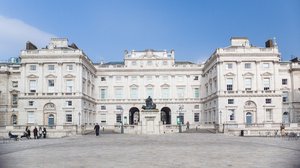
1639 – 1709, Genova Baroque Daugiausia darbų: Courtauld Gallery

10 geriausių Giovanni Battista Gaulli paveikslų: galerijos akimais

1
Cardinal Leopoldo de' Medici (1667) aut. Giovanni Battista Gaulli

Cardinal Leopoldo de' Medici

1667 · Oil On Canvas · Galleria degli Uffizi, Florencija

To gaze upon Giovanni Battista Gaulli's depiction of Cardinal Leopoldo de' Medici is to step directly into the opulent, dramatic heart of 17th-century Rome. This portrait is not merely a likeness; it is a carefully constructed statement of power, piety, and intellectual weight. The subject, clad in the unmistakable crimson robes and pristine white collar of a high-ranking cleric, commands attention with an inherent dignity. Gaulli, known by his evocative…

2
Gian Lorenzo Bernini (1673) aut. Giovanni Battista Gaulli

Gian Lorenzo Bernini

1673 · Aliejus ant drobės · Courtauld Gallery, Londonas

Gian Lorenzo Bernini: A Titan of Baroque Illusion Giovanni Battista Gaulli, affectionately known as detto baciccio – “the little painter” – stands as a towering figure in the Baroque artistic landscape. Born in Genoa around 1639, his formative years were steeped in the intellectual ferment of the Renaissance and early Baroque, shaping him into an artist profoundly influenced by the monumental achievements of Gian Lorenzo Bernini. While biographical details remain…

3
The Preaching of St John the Baptist (1690) aut. Giovanni Battista Gaulli

The Preaching of St John the Baptist

1690 · Oil On Canvas

The painting is titled The Preaching of St John the Baptist, and it is also known as The Sermon of St. John the Baptist. This work of religious art was created by the artist Giovanni Battista Gaulli, who was also known by the name Baciccio. The composition focuses on the figure of John the Baptist as he addresses a gathered crowd.

4
Pope Clement X (1590–1676) (1670) aut. Giovanni Battista Gaulli

Pope Clement X (1590–1676)

1670 · Oil On Canvas · Metropolitano meno muziejus, Niujorkas

In this bust-length portrait, we encounter Pope Clement X, depicted in the winter garb of his office. He wears a fur-lined camauro and a sumptuous mozzetta, the textures of which are rendered with a tactile precision that invites close inspection. The deep reds of the velvet fabric provide a heavy, grounding weight to the composition, contrasted sharply by the stark white of the ermine trim. There is a quiet gravity…

5
St. Ignatius in ecstasy (1600) aut. Giovanni Battista Gaulli

St. Ignatius in ecstasy

1600 · Oil On Canvas · Pinacoteca Stuard, Parma

In St. Ignatius in ecstasy by Giovanni Battista Gaulli, the viewer gazes into an oval frame where a profound spiritual encounter unfolds. The central figure of St. Ignatius reaches upward, his arms outstretched toward the heavens in a gesture of total surrender. He does not stand alone in this celestial moment; instead, several angels surround him, drifting at varying distances to create a sense of deep, layered space. This arrangement…

6
Portrait of a clergyman (1660) aut. Giovanni Battista Gaulli

Portrait of a clergyman

1660 · Oil On Canvas · Nacionalinis muziejus Varšuvoje, Varšuva

The work titled Portrait of a clergyman is a painting by Giovanni Battista Gaulli. This portrait, also identified as Giovanni Battista Spinola junior in ecclesiastical garb, captures a figure of quiet authority. The artist, known by the nicknames Baciccio or Baciccia, rendered this image during the second half of the seventeenth century. It remains a significant example of the Italian Baroque period.

7
Joseph recognized by his brothers (1650) aut. Giovanni Battista Gaulli

Joseph recognized by his brothers

1650 · Oil · Musée Fesch, Eks-an-Pransą

In Joseph recognized by his brothers, Giovanni Battista Gaulli orchestrates a scene of intense movement and crowded energy. The composition pulls the viewer into a theatrical arrangement of figures in the foreground, where bodies lean and arms reach in a flurry of sudden emotion. A strong use of chiaroscuro carves out the muscular forms of the men, lending them a heavy, sculptural presence. Light pours from an upper left source,…

8
Portrait of cardinal Marco Galli (1650) aut. Giovanni Battista Gaulli

Portrait of cardinal Marco Galli

1650 · Oil On Canvas · Rumunijos nacionalinis meno muziejus, Bukarestas

The Portrait of cardinal Marco Galli presents us with a formal encounter with authority and religious dignity. Painted by the Italian artist Giovanni Battista Gaulli, this work captures a moment of quiet, seated power. The subject, a high-ranking cleric, gazes out from a setting that feels both intimate and grand, draped in the heavy textures of ecclesiastical life. We see him as a man of intellect and duty, a figure…

9
The Pietà (Mary Lamenting the Dead Christ) (1667) aut. Giovanni Battista Gaulli

The Pietà (Mary Lamenting the Dead Christ)

The canvas holds a heavy, silent grief. Mary cradles the limp body of her son, her arms forming a vessel for the dead Christ. The pale skin of the deceased contrasts against the shadows that press in from the edges. Two figures flank the central mourning, their presence anchoring the scene in a shared, quiet agony. Near the center and the bottom of the frame, the presence of three small…

10
Portrait of Cardinal Paluzzo Paluzzi degli Albertoni (1666) aut. Giovanni Battista Gaulli

Portrait of Cardinal Paluzzo Paluzzi degli Albertoni

1666 · Oil On Canvas · Staatliche Kunsthalle Karlsruhe, Karlsruhe

The Portrait of Cardinal Paluzzo Paluzzi degli Albertoni is a work by the Italian Baroque painter Giovanni Battista Gaulli. Created about 1666, the oil on canvas captures the presence of Paluzzo Paluzzi Altieri degli Albertoni. The artist, often known by the name Baciccio, brings a sense of weight to the sitter through the careful application of pigment and light.

žinomi Giovanni Battista Gaulli paveikslai, nuo 11 iki 57 numerio

11Self-portrait (1667) aut. Giovanni Battista GaulliSelf-portrait1667 · Vasari Corridor 12Portrait of Pope Clement IX Rospigliosi blessing (1668) aut. Giovanni Battista GaulliPortrait of Pope Clement IX Rospigliosi blessing1668 · Galleria Nazionale d'Arte Antica 13Portrait of Clement IX blessing (1667) aut. Giovanni Battista GaulliPortrait of Clement IX blessing1667 · Palazzo Chigi of Ariccia 14Emmanuel-Théodose de la Tour d'Auvergne, Cardinal de Bouillon (1643-1715) (1669) aut. Giovanni Battista GaulliEmmanuel-Théodose de la Tour d'Auvergne, Cardinal de Bouillon (1643-1715)1669 · Opera House 15Portrait of Gian Lorenzo Bernini (1665) aut. Giovanni Battista GaulliPortrait of Gian Lorenzo Bernini1665 · Galleria Nazionale d’Arte Antica 16Portrait of Gian Lorenzo Bernini (1665) aut. Giovanni Battista GaulliPortrait of Gian Lorenzo Bernini1665 17Sketch for "The Four Prophets of Israel" (for Il Gesù, Rome) (1676) aut. Giovanni Battista GaulliSketch for "The Four Prophets of Israel" (for Il Gesù, Rome)1676 · Cleveland Museum of Art 18The Sacrifice of Noah (1684) aut. Giovanni Battista GaulliThe Sacrifice of Noah1684 · National Museum of Art, Architecture and Design 19The Adoration of the Lamb (Modello from the apse fresco in Il Gesu, Rome) (1680) aut. Giovanni Battista GaulliThe Adoration of the Lamb (Modello from the apse fresco in Il Gesu, Rome)1680 · Fine Arts Museums of San Francisco 20St. Joseph and the Infant Christ (1677) aut. Giovanni Battista GaulliSt. Joseph and the Infant Christ1677 · Norton Simon muziejus 21Gianlorenzo Bernin (1675) aut. Giovanni Battista GaulliGianlorenzo Bernin1675 · Škotijos Nacionalinė galerija 22Apotheosis of St Ignatius (1685) aut. Giovanni Battista GaulliApotheosis of St Ignatius1685 23Madonna with Child piercing the Head of the Serpent ('Madonna della Serpe') (1697) aut. Giovanni Battista GaulliMadonna with Child piercing the Head of the Serpent ('Madonna della Serpe')1697 · Birmingham Museum and Art Gallery 24Diana the Huntress (1690) aut. Giovanni Battista GaulliDiana the Huntress1690 · Minneapolis Institute of Art 25St Agnes in Glory (1690) aut. Giovanni Battista GaulliSt Agnes in Glory1690 · Statens Museum For Kunst 26Cardinal Taddeo Luigi dal Verme (1700) aut. Giovanni Battista GaulliCardinal Taddeo Luigi dal Verme1700 · Rhode Island School of Design Museum of Art 27Portrait of a Man (1700) aut. Giovanni Battista GaulliPortrait of a Man1700 · Walters Art Museum 28A Blessed Abbes Receiving the Host from the Hands of Christ (1690) aut. Giovanni Battista GaulliA Blessed Abbes Receiving the Host from the Hands of Christ1690 · Liuvro muziejus 29The Three Marys at the Sepulchre (1685) aut. Giovanni Battista GaulliThe Three Marys at the Sepulchre1685 · Fitzwilliam College 30Portrait of a Woman (1670) aut. Giovanni Battista GaulliPortrait of a Woman1670 · Metropolitano meno muziejus 31Portrait of a Lady (1674) aut. Giovanni Battista GaulliPortrait of a Lady1674 32Gian Lorenzo Bernini (1673) aut. Giovanni Battista GaulliGian Lorenzo Bernini1673 · Courtauld Gallery 33The Triumph of the Name of Jesus (1677) aut. Giovanni Battista GaulliThe Triumph of the Name of Jesus1677 34Gianlorenzo Bernini (1598–1680) (1675) aut. Giovanni Battista GaulliGianlorenzo Bernini (1598–1680)1675 · Škotijos Nacionalinė galerija 35Holy Family with the Young St John the Baptist and St Elizabeth (1687) aut. Giovanni Battista GaulliHoly Family with the Young St John the Baptist and St Elizabeth1687 36The Vision of St Francis Xavier (1675) aut. Giovanni Battista GaulliThe Vision of St Francis Xavier1675 · Vatikano Pinakoteka 37The Three Maries at the Empty Sepulchre (1684) aut. Giovanni Battista GaulliThe Three Maries at the Empty Sepulchre1684 38Study for a Young Man Dancing (1682) aut. Giovanni Battista GaulliStudy for a Young Man Dancing1682 · Kunstpalast 39Bacchanal (1675) aut. Giovanni Battista GaulliBacchanal1675 · The Ema Klabin House Museum 40Death of Saint Francis Xavier in Shangchuan (1676) aut. Giovanni Battista GaulliDeath of Saint Francis Xavier in Shangchuan1676 · Museu de São Roque 41The Virgin and Child Piercing the Head of the Serpent (1695) aut. Giovanni Battista GaulliThe Virgin and Child Piercing the Head of the Serpent1695 42Nave vault (1707) aut. Giovanni Battista GaulliNave vault1707 43Apotheosis of the Franciscan Order (1707) aut. Giovanni Battista GaulliApotheosis of the Franciscan Order1707 44The Rest on the Flight into Egypt (1700) aut. Giovanni Battista GaulliThe Rest on the Flight into Egypt1700 45St. Agnes is Received into Heaven (1689) aut. Giovanni Battista GaulliSt. Agnes is Received into Heaven1689 · Kunstpalast 46Rest on the Flight into Egypt aut. Giovanni Battista GaulliRest on the Flight into EgyptAccademia di San Luca 47Portrait of Pope Alexander VII aut. Giovanni Battista GaulliPortrait of Pope Alexander VIINational Portrait Gallery of Sweden 48Landscape with Tobias and the Angel aut. Giovanni Battista GaulliLandscape with Tobias and the AngelBode Museum 49Saint John the Baptist aut. Giovanni Battista GaulliSaint John the Baptist 50La Conversion de saint Paul aut. Giovanni Battista GaulliLa Conversion de saint PaulMusée des Augustins 51Christ in Glory with the Angels aut. Giovanni Battista GaulliChrist in Glory with the Angels 52Cupola decoration (1676) aut. Giovanni Battista GaulliCupola decoration1676 53St John the Baptist (1676) aut. Giovanni Battista GaulliSt John the Baptist1676 · Mančesterio meno galerija 54The Continence of Scipio (1687) aut. Giovanni Battista GaulliThe Continence of Scipio1687 55Abraham aut. Giovanni Battista GaulliAbrahamHigh Museum of Art 56Adoration of the Name of Jesus (1676) aut. Giovanni Battista GaulliAdoration of the Name of Jesus1676 57Portrait of Cardinal Marco Gallo (1681) aut. Giovanni Battista GaulliPortrait of Cardinal Marco Gallo1681 · National Gallery

žymios Giovanni Battista Gaulli tapiojamos, pagal laikotarpį

Temos, kurios domino Giovanni Battista Gaulli

Ketverios temos, dažniausiai pasikrausto originaluose, kiekvienos su savo puikiausiu pavyzdžiu.

Muziejai, kuriuose saugomi Giovanni Battista Gaulli originalūs darbai

8 muziejai, kuriuose saugoma daugiausia šioje pusėje esamų paveikslų.

Muzejaus Miestas Giovanni Battista Gaulli darbai Šiojo sąrašo paveikslai
Courtauld Gallery, LondonasCourtauld Gallery Londonas 2 Gian Lorenzo Bernini, Gian Lorenzo Bernini
Metropolitano meno muziejus, NiujorkasMetropolitano meno muziejus Niujorkas 2 Pope Clement X (1590–1676), Portrait of a Woman
Galleria Nazionale d’Arte Antica, RomaGalleria Nazionale d’Arte Antica Roma 2 The Pietà (Mary Lamenting the Dead Christ), Portrait of Gian Lorenzo Bernini
Škotijos Nacionalinė galerija, EdinburgasŠkotijos Nacionalinė galerija Edinburgas 2 Gianlorenzo Bernin, Gianlorenzo Bernini (1598–1680)
Kunstpalast, DiuseldorfasKunstpalast Diuseldorfas 2 Study for a Young Man Dancing, St. Agnes is Received into Heaven
Galleria degli Uffizi, FlorencijaGalleria degli Uffizi Florencija 1 Cardinal Leopoldo de' Medici
Pinacoteca Stuard, ParmaPinacoteca Stuard Parma 1 St. Ignatius in ecstasy
Nacionalinis muziejus Varšuvoje, VaršuvaNacionalinis muziejus Varšuvoje Varšuva 1 Portrait of a clergyman

Giovanni Battista Gaulli per dešimtmečius: vieniškas originalas kiekvienam

Darbai pagal dešimtmečius

Pasirinkite dešimtmetį, kad pamatytėte jį apibrėžusį originalą.

Giovanni Battista Gaulli tapų klausimai galerijai

Koks yra garsiausias Giovanni Battista Gaulli kūrinys?Atsakymas

Cardinal Leopoldo de' Medici (1667), Galleria degli Uffizi, Florencija. Toliau seka Gian Lorenzo Bernini (1673) ir The Preaching of St John the Baptist (1690).

Kuriuo amžiaus atσταση Giovanni Battista Gaulli sukūrė Cardinal Leopoldo de' Medici?Atsakymas

28 metų amžiaus: Cardinal Leopoldo de' Medici sukurta 1667 m. Nr. Giovanni Battista Gaulli gimė 1639.

Kurios Giovanni Battista Gaulli dešimt paveikslų yra garsiausi?Atsakymas

Cardinal Leopoldo de' Medici, Gian Lorenzo Bernini, The Preaching of St John the Baptist, Pope Clement X (1590–1676), St. Ignatius in ecstasy, Portrait of a clergyman, Joseph recognized by his brothers, Portrait of cardinal Marco Galli, The Pietà (Mary Lamenting the Dead Christ) ir Portrait of Cardinal Paluzzo Paluzzi degli Albertoni. Viršuje esančioje reitingo sąraše nurodyta kiekvieno kūrinio metis ir muziejus.

Kiek žinoma Giovanni Battista Gaulli darbų?Atsakymas

Mūsų kataloge yra 63 Giovanni Battista Gaulli darbų, skirtų laikotarpiui nuo 1650 iki 1707.

Kur galima pamatyti garsiausių Giovanni Battista Gaulli originalų?Atsakymas

Daugiausia – Courtauld Gallery (Londonas), Metropolitano meno muziejus (Niujorkas) ir Galleria Nazionale d’Arte Antica (Roma). Viršuje esančiame muziejų sąraše yra visi jie.

Kuriuo laikotarpiu Giovanni Battista Gaulli sukūrė savo žymiausias paveikslus?Atsakymas

1670s laikotarpiu: 16 iš 57 šioje pusėje esančių darbų buvo sukurtos tada, iš jų Gian Lorenzo Bernini.

Kuris iš garsių Giovanni Battista Gaulli paveikslų yra pirmasis, o kuris – paskutinis?Atsakymas

Šioje pusėje seniausias darbas yra Joseph recognized by his brothers (1650), o naujausias – Nave vault (1707).

Kokia temos Giovanni Battista Gaulli mėgavosi?Atsakymas

Man (20), Angels (10) ir Woman (10) iš 57 šioje pusėje esamų darbų.

Kuriomis medžiagomis Giovanni Battista Gaulli tapė dažniausiai?Atsakymas

Oil On Canvas, iš 57 šios puslapio darbų – 23.

Kelią meno kryžkelę priklauso Giovanni Battista Gaulli kūryba?Atsakymas

Baroque, vadovaujantis šios puslapio originalais kūriniais.

Kurius Giovanni Battista Gaulli originalius galėčiau pamatyti Courtauld Gallery?Atsakymas

Gian Lorenzo Bernini ir Gian Lorenzo Bernini: Courtauld Gallery, Londonas kolekcijoje yra 2 šioje pusėje esančių darbų.

Giovanni Battista Gaulli: meno kūrinys – autoportretas

Ilusionijų architektas: Giovanni Battista Gaulli gyvenimas ir palikimas

Didingioje, teatrališkoje Romos baroko eroje nedarbingas pagarba asmenis, kaip Giovanni Battista Gaulli. Su savo samtvasais ir istorija švelniai vadinamas Baciccio – genovės žargonu, reiškančiu „mažąjį paveiksląvertuvę“ – Gaulli ne tik tapo paviršių dažytoju; jis juos ištrinavo. Gimęs Genovoje 1639 m. gegužieno mėsydują, ankstyvoji jo gyvenimo karta buvo formuojama energingais Šiaurės Italijos meno sūkariais, tačiau būtent kelionė į Romą 1657 m. amžinai pakeitė Vakarų meno kryptį. Šis judėjimas įstatė jį pačioje Kontrreformacijos vizualinės propagandos širdyje, kur meno tikslas buvo užverti jus jaudulį ir pakelti sielą link dieviškumo.

Gaulli genialumo pagrindai buvo klestėjimo orbitai kartu su legendiniu Gian Lorenzo Bernini. Panuręs į Bernini dirbtuvę, Gaulli įsavoino skulptūrinio didingumo ir teatralinio iluzionizmo principus, kurie apibrėžė Aukštąjį Baroką. Jis išmoko suvokti płatą ne kaip plokštumą, o kaip langą į begalę, dangišką erdvę. Šis gilus įtampas aiškiai pasireiškia jo chiaroscuro meistriškėje, kur dramatiškas šešėlių ir skaidrios šviesos žaismas suteikia figūroms tokį svorį ir egzistenciją, kuris lydi marmurą. Sujungdamas Rubenso bei Van Dyckų spalmingą tapybą su Bernini struktūrine drama, Gaulli sukūrė stilių, kuriame emocinis rezonansas ir dvasinis ekstazė buvo svarbesni už gryną anatominį tikslumą.

Dangaus spektaklio meistras

Ilgalaikiausius Gaulli pasiekimus galime rasti jo monumentaliniuose freskose – darbuose, kurie paverto Romos lubas į dangaus vartus. Jo gebėjimas vykdyti quadratura – techniką, kurioje architektūrinės perspektyvos atrodo besivienčiantis tikrąją pastatos erdvę – pasiekė savo aukštumą didelėse miesto bažnyčiose. Galbūt labiausiai kvapą gniaužia jo darbas Il Gesù bažnyčioje, ypač Jėzus Kristaus Vardo Adoracija. Šiame šedevre Gaulli pasiekė siaužingą judesio pojūtį; debesys atrodo liejantis per rėmo kraštus, o šventosios ir angelai atrodo krentantys per pačią bazilikos erdvę, ką apsiveikiant šviesos spinduliu, kuris blurs liniją tarp žemiškosios ir amžinosios realybės.

Be šių milžiniškų lubų kompozicijų, Gaulli talento apimtį apima ir intymesni, tačiau ne mažiau galingi, maldos darbai. Jo Šv. Jonas Krikštytuvas, sukurtas apie 1676 m., demonstruoja gebėjimą įamžinti intensyvias žmogaus emocijas per realistišką lygmenį, naudojant ryškias spalvas ir dinamiškas pozas, siekiant užimti žiūrovą empatija. Ar tai būtų masalybinės užsakomos popiežaus užsakomos kompozicijos, ar jautrūs altarijos paveikslai, jo rankos visada atpažįstamos dėl savo energijos, šviesaus paletės ir beveik nekontroliuojamo judesio pojūčio.

Istorinė reikšmė ir meninė triumfų era

Bacicčio karjera atstovauja Aukstojo Baroko eros aukštumą, tapdama tiltu tarp masyvaus, raumenų ir dramatiškos XVII am. vidurio estetikos bei lengvesnių, dekoratyviškų ankstyvojo Rokoko elementų. Jo gebėjimas manipuliuoti šviesa ir erdve paliko neištrinamas pėdsnakišką ženklą Romos tapybos mokykloje, įkvepdamas pokalvius menininkų kartas, siekiantias suvokti sublimaciją. Judėdamas per vėliuosius XVII am. dešimtmečius, jo darbai tapo visai sudėtingi, plečiant ribas to, kas gali būti pasiektas naudojant pigmentą ir gipsą.

Kai Gaulli mirė Romoje 1709 m. balandžio 2 d., jis paliko palikimą, kuris ir šiandien gyvena šventiausių Italijos bazilikų koridoriuose. Studijuoti jo kūrinius yra sava manera liudyti iluzijos triumfą; jis išliko menininku, kuris suprato, kad tikrasis meno tikslas yra ne tik rodyti pasaulį, koks yra, bet atskleisti didingą, nematomą dievišką šlovę.