
A Timeless Journey Through the Heart of Edo
Nestled within the historic Ohana estate in Fukuoka, Japan, the Tachibana Museum offers far more than a mere glimpse into the past; it provides an immersive journey into the very soul of the Edo period. This is not simply a repository for artifacts, but a carefully preserved world where the legacy of the Yanagawa clan—the illustrious Tachimani family—breathes through every tatami-matted room and echoes within the serene, meticulously manicured gardens. For centuries, this region served as a vital cultural crossroads, absorbing influences from across the Japanese archipelago and beyond, and the museum’s collection beautifully reflects this rich, multi-layered tapestry of human creativity.
Walking through the estate feels like stepping back in time, where traditional Japanese architecture defines the sensory experience. Sliding shoji doors filter soft, ethereal light onto meticulously crafted interiors, offering a tangible connection to the daily lives of the lords and ladies who once inhabited these halls. The gardens, designated as a national site of scenic beauty, represent a masterpiece of landscape design. Within the Shoto-en Garden, a pond surrounded by black pines creates an ornamental sanctuary where one can contemplate the changing seasons, much as the Tachibana ancestors did while strategizing or seeking quiet reflection amidst the rustle of leaves and the gentle movement of wild ducks.
The Artistry of the Samurai and the Elegance of Craft
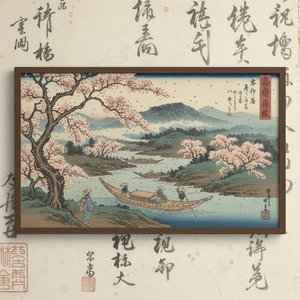
The museum's collection, numbering over 5,000 precious pieces, stands as a profound testament to the Tachibana family’s enduring influence and their role as patrons of the arts. Perhaps most striking are the displays of samurai armor, which serve not only as symbols of martial prowess but as exquisite works of art in their own right. Each suit tells a silent story of craftsmanship and social status, revealing intricate details of design and construction that speak volumes about the values and aesthetics of the warrior class. Beyond the steel and silk of weaponry, the museum showcases an extraordinary array of lacquerware, demonstrating the remarkable skill of Edo period artisans. From ornate boxes to everyday objects, these pieces reveal a dedication to finding beauty even within the most functional items.
For the discerning collector or lover of fine detail, the collection offers unparalleled depth. One might find themselves captivated by the ethereal beauty found in works like The Heaven of Nine Levels by Wu Jianan, which exemplifies the meticulous attention to detail characteristic of lacquerware artistry. This same spirit of precision is echoed in the museum's collection of elaborate Edo period dolls—miniature worlds imbued with cultural significance and historical context that were cherished by successive generations of Tachibana heiresses. The presence of Noh theater costumes, calligraphy goods, and tea ceremony utensils further enriches this narrative of a life lived with profound aesthetic intention.
A Sanctuary for Architectural Inspiration and Heritage
For interior designers and architects, the Tachibana Museum serves as a beacon of inspiration, offering a masterclass in how texture, light, and space can harmonize to create an atmosphere of timeless elegance. The linear design of the buildings and the textured surfaces of the traditional structures provide authentic elements that resonate with modern sensibilities seeking authenticity. Even the Seiyo-kan, a white Western-style building constructed as a guest house during the Meiji period, offers a fascinating study in the blending of cultural architectural movements.
The museum continues to evolve through dedicated research and conservation efforts, ensuring that the Tachibana family’s legacy remains vibrant for future generations. It stands as a powerful reminder of how art can illuminate our understanding of history and shape our appreciation for cultural heritage. Whether one is drawn by the historical weight of the Daimyo regalia or the tranquil beauty of the Tachibana-shi Teien gardens, the museum offers a profound experience that transcends time, inviting every visitor to delve deeper into the enduring power of Japanese artistic expression.