

A Dialogue Between Eras: The Soul of Tarragona’s Modernity
In the heart of Tarragona, where the echoes of Roman grandeur still linger in the salt-kissed air, lies a sanctuary that defies the simple boundaries of time. The Museum of Modern Art Tarragona is not merely a repository for contemporary works; it is a profound architectural and cultural conversation between the ancient and the avant-garde. Established in 1976 by the Provincial Council of Tarragona, this institution was born from a desire to preserve the fleeting beauty of the present while honoring the deep historical roots of Catalonia. To enter its halls is to step into a space where the weight of history provides the perfect, silent stage for the boldest expressions of modern creativity.
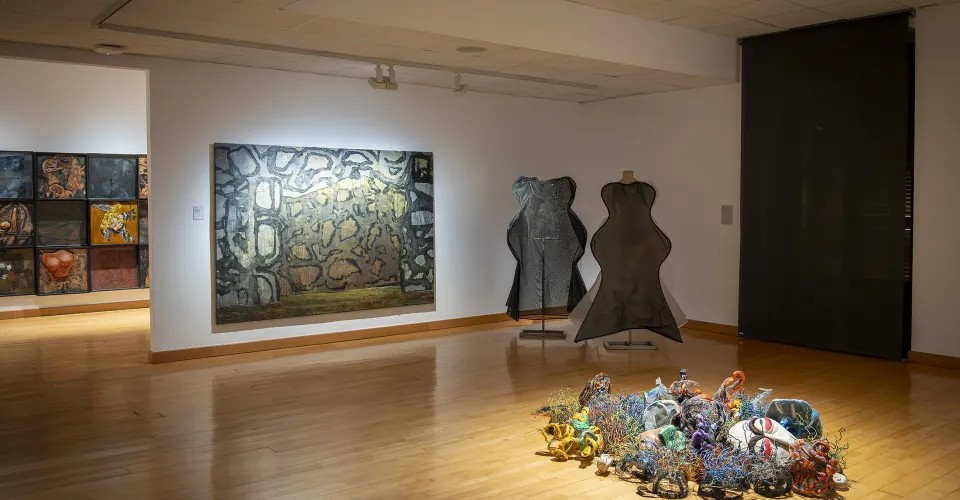
The museum’s physical presence is an art form in itself. Housed within three exquisitely restored 18th-century buildings in the historic Part Alta, the structure serves as a masterclass in adaptive reuse. The architect Jaume Mutlló achieved something truly magical here, seamlessly weaving together these historic dwellings to create a unified contemporary space. As visitors wander through the museum, they experience a stunning interplay of textures—the ornate, classical details of the original masonry providing a rhythmic counterpoint to the abstract forms and challenging perspectives of the modern collection. It is an environment that breathes, where the architecture does not just contain art but actively participates in its interpretation.
A Journey Through Spanish Artistic Evolution
The collection within these walls offers a captivating odyssey through the evolution of Spanish art, spanning the transformative decades from the 19th to the 21st centuries. For the discerning collector or the lover of fine form, the museum presents a curated narrative of movement and emotion. One cannot traverse these galleries without being moved by the powerful legacy of the sculptor Julio Antonio, whose works embody a visceral sense of human drama and physical presence. His ability to breathe life into stone and bronze serves as a cornerstone for understanding the emotional depth that defines much of the Spanish modern tradition.
Beyond the sculptural mastery, the museum celebrates the vibrant, collaborative spirit of Catalan innovation. A true jewel of the permanent display is the Tarragona Tapestry, a breathtaking collaborative masterpiece woven from the creative visions of Joan Miró and Josep Royo. This work stands as a testament to the power of artistic synergy, blending Miró’s iconic, dreamlike symbolism with the textured, experimental energy of Royamos. Such pieces transform the museum from a mere gallery into a living archive of the creative impulses that have shaped the modern Spanish identity.
A Cultural Beacon for the Modern Era
What truly distinguishes the Museum of Modern Art Tarragona is its role as a thriving cultural ecosystem. It is far more than a static monument; it is a dynamic hub that actively cultivates appreciation through regular exhibitions, educational programs, and a dedicated pedagogical service designed to inspire the next generation of art lovers. For interior designers seeking aesthetic inspiration or historians tracing the lineage of Mediterranean modernism, the museum offers an inexhaustible well of reference, from its specialized photographic archives to its meticulously curated documentation center.
In an age where the past and future often feel disconnected, this museum provides a rare point of convergence. It stands as a place where the ancient Roman heritage of Tarragona—a UNESCO World Heritage Site—illuminates the contemporary spirit. Whether you are drawn by the architectural elegance of its 18th-century bones or the radical energy of its newest acquisitions, the museum offers an unforgettable pilgrimage into the very soul of Spanish artistic expression.