


A Hidden Gem of Jura Art: The Soul of Lons-le-Saunier
Nestled within the verdant embrace of the picturesque Jura Mountains, the Musée des Beaux-Arts Lons-le-Saunier serves as a profound testament to regional artistic heritage, offering a captivating journey through the textures of 19th-century sculpture and painting. More than a mere repository for artifacts, this museum is an immersive experience—a quiet, contemplative sanctuary where beauty is crafted by masters such as Jean-Joseph Perraud and Max Claudet. For the discerning art lover or interior designer seeking inspiration beyond the crowded halls of metropolitan capitals, this institution offers a rare glimpse into a world where art and landscape are inextricably linked.
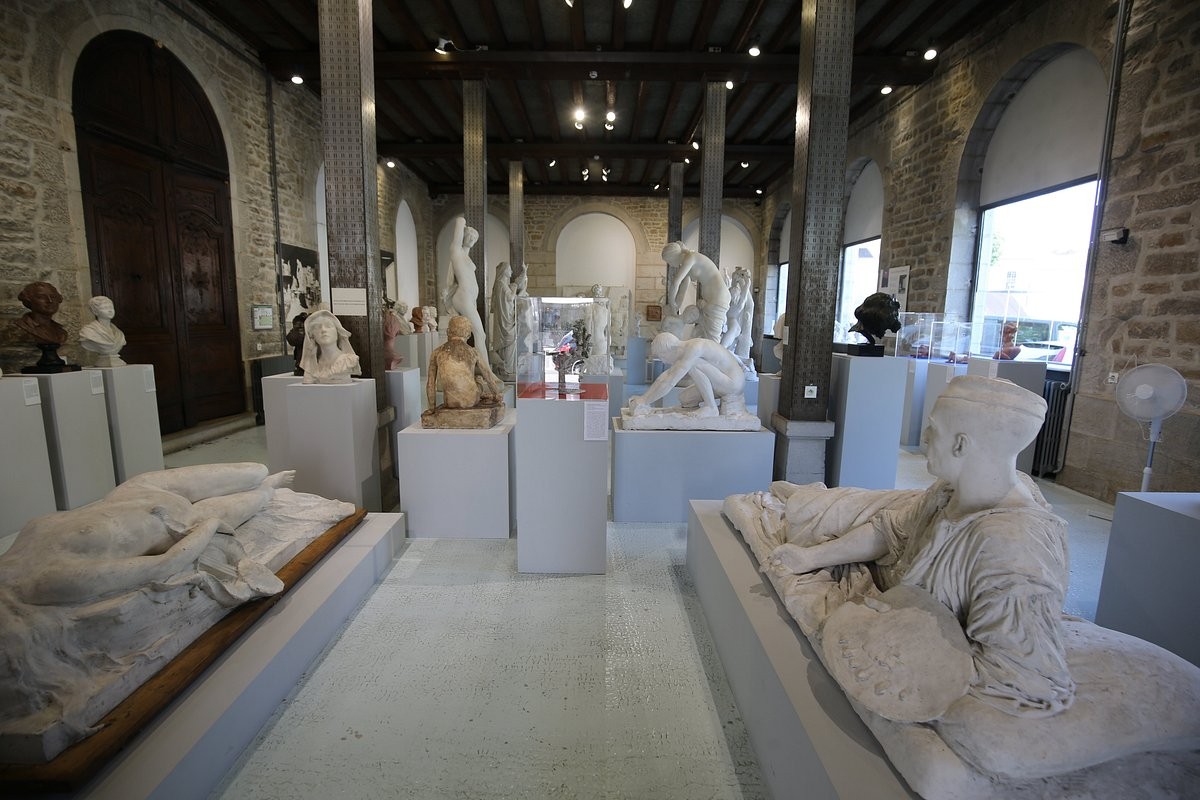
The museum’s core strength lies in its magnificent assemblage of 19th-century sculptures, which breathe life into the gallery spaces with their monumental presence. The works of Jean-Joseph Perraud and Max Claudet dominate the collection, acting as anchors of Jura identity. These pieces exemplify the stylistic nuances of their era, masterfully blending Rococo Revival elegance with the disciplined grace of Neoclassical influences. To stand before these figures is to witness a profound connection between artistic technique and the cultural values of the mountains, where every curve of stone and cast of bronze reflects a deep-seated dignity and a reverence for the natural world.
A Tapestry of Light, Realism, and Romanticism
Beyond the tactile strength of its sculpture, the Musée des Beaux-Arts houses a remarkable collection of paintings that traverse the transformative eras of Romanticism and Impressionism. The galleries invite visitors to wander through dramatic landscapes and intimate portraits that speak volumes of the human condition. One might find themselves lost in the allegorical symbolism of Pieter Brueghel the Younger , whose works present complex narratives woven into sweeping vistas, or moved by the unflinching honesty of Gustave Courbet . As a pioneer of Realism, Courbet’s ability to capture the raw, everyday life of rural France provides a striking counterpoint to the more ethereal, light-drenched movements that followed, creating a dialogue between social commentary and pure aesthetic emotion.
The architectural setting of the museum further enhances this artistic dialogue. The building itself is a harmonious blend of styles characteristic of Lons-le-Saunier, constructed in the late 19th century to reflect the grandeur of the Beaux Arts movement while maintaining essential regional vernacular elements. This careful balance of stately ornamentation and welcoming warmth creates an atmosphere where light and shadow play across the walls, complementing the textures of the artworks on display. It is a space designed not just to hold art, but to elevate it, providing a structural rhythm that mirrors the curated excellence within.
A Living Legacy of Curation and Intimacy
What truly distinguishes the Musée des Beaux-Arts Lons-le-Saunier from its larger counterparts is its dedication to the living pulse of art history through rotating exhibitions. These temporary showcases are vital, introducing fresh perspectives and lesser-known voices that stimulate critical reflection and dialogue among scholars and enthusiasts alike. By constantly evolving, the museum ensures that its historical treasures are always viewed through a contemporary lens, fostering a continuous connection between the past and the present.
For collectors and decorators seeking a sense of intimacy amidst grandeur, this museum offers an unparalleled sanctuary. It is a place where one can linger without the rush of crowds, allowing for a deep, personal connection with each masterpiece. In the quiet corners of the Jura, the Musée des Beaux-Arts reminds us that true artistic significance does not require the noise of a metropolis; rather, it flourishes in spaces of thoughtful curation and enduring beauty.


