A Renaissance Rooted in Revolution
Nestled within the vibrant Breton city of Rennes, the Musée des Beaux-Arts stands as a testament to both artistic evolution and historical circumstance. Established in 1794 amidst the fervor of the French Revolution, its origins are inextricably linked to the confiscation of artworks from churches and monastic institutions – a dramatic shift reflecting the era’s ideological upheaval. Initially conceived as a repository for these displaced treasures, the museum quickly evolved into a cornerstone of cultural preservation, profoundly shaped by the remarkable bequest of Christophe-Paul de Robien, a prominent figure whose personal collection formed its very foundation. De Robien's holdings, encompassing an impressive array of paintings and drawings spanning centuries, provided the nucleus around which the museum’s diverse collections would blossom.
The building itself, completed between 1847 and 1855, is a striking example of Neoclassical architecture – a deliberate choice designed to house and celebrate its burgeoning collection. Its imposing façade speaks to the importance placed upon art and culture within French society at that time. The subsequent renovation in 1911 further solidified the museum’s role as a premier institution, transforming it into the dedicated space we know today. This careful blend of historical context and architectural grandeur immediately establishes the Musée des Beaux-Arts as more than just a collection of artworks; it's an experience in itself.
A Tapestry of European Masterpieces
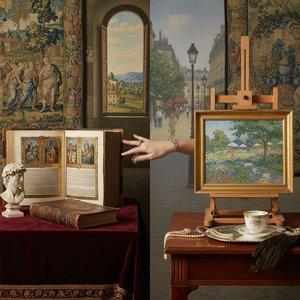
The museum’s strength lies undeniably in its remarkably comprehensive collection, charting a vast chronological landscape from ancient Egypt to the 20th century. While boasting impressive holdings across numerous civilizations – including captivating artifacts from ancient Egypt offering glimpses into a world of pharaohs and gods – it is primarily renowned for its European paintings and drawings. The museum’s core focuses on the 14th through 20th centuries, showcasing an extraordinary breadth of artistic styles and movements.
Within the painting galleries, one encounters a dazzling array of masterpieces. Early Renaissance works by artists like Paris Bordone and Paolo Veronese demonstrate the influence of classical ideals and humanist thought. The 17th century is particularly well-represented, with significant contributions from French masters such as Philippe de Champaigne, alongside the grandeur of Rubens and Guido Reni. The 19th century reveals a strong connection to Brittany’s artistic landscape, featuring works by artists drawn to the region's unique beauty – including the evocative portrayals of Gauguin. The 20th century showcases the dynamism of modern art with notable pieces by Dufy, Picasso, and Delaunay, reflecting the era’s experimentation and innovation.
Equally captivating is the museum’s drawing collection, a true treasure largely due to De Robien's generous bequest. This section houses rare and invaluable works by luminaries such as Leonardo da Vinci, Michelangelo, Rembrandt, and countless others – providing an intimate glimpse into the creative processes of some of history’s greatest artists. The meticulous detail and technical skill evident in these drawings are a testament to the dedication and artistry of their creators.
Beyond the Brush: A Collection of Treasures
However, the Musée des Beaux-Arts de Rennes offers more than just paintings and drawings. A dedicated section showcases ancient Egyptian artifacts – providing a fascinating window into this complex civilization’s beliefs, rituals, and daily life. These objects, ranging from intricate jewelry to monumental sculptures, offer tangible connections to a world separated by millennia.
A Unique Legacy: Robien's Enduring Influence
What truly distinguishes the Musée des Beaux-Arts de Rennes is undoubtedly the exceptional quality of its Robien Collection and its remarkably comprehensive representation of both French and international art movements. The museum’s location in Rennes, a vibrant city within Brittany, adds to its appeal, offering visitors a chance to experience regional culture alongside world-class art. Furthermore, the museum's commitment to accessibility – with free admission – ensures that this extraordinary cultural resource is available to all, fostering a deeper appreciation for art and history within the community.