The Musée des Beaux-Arts de Châtenay: A Hidden Gem of Burgundian Splendor
Nestled in the heart of Burgundy, France, the Musée des Beaux-Arts de Châtenay offers a remarkably intimate and profoundly rewarding experience for art enthusiasts. This unassuming museum, located in the charming town of Châtenay, is far more than just a collection of paintings; it’s a carefully curated journey through centuries of artistic expression, reflecting the rich history and aristocratic tastes of the region. While perhaps not as globally renowned as its Parisian counterparts, the Musée des Beaux-Arts de Châtenay holds within its walls a captivating narrative of patronage, craftsmanship, and evolving aesthetic sensibilities. Its unassuming exterior belies the treasures it protects – a testament to the enduring power of art to shape and reflect a society’s soul.
-
A Legacy of Royal Patronage: The museum's story is inextricably linked to the House of Burgundy, specifically the influential family of the Dukes of Châlons. Beginning in the 17th century, members of this noble lineage amassed an impressive collection of paintings, sculptures, and decorative arts, initially intended for private enjoyment within their opulent residences. This initial accumulation formed the bedrock of what is now the museum’s core holdings.
-
Architectural Harmony: The building itself—a magnificent example of Burgundian Renaissance architecture—is a significant part of the experience. Originally constructed as a fortified castle in the 14th century, it was later transformed into a grand chateau during the 17th and 18th centuries. The museum’s design reflects this layered history, seamlessly blending medieval defensive elements with the refined elegance of Baroque interiors. The courtyard, now a tranquil garden space, retains much of its original layout, offering visitors a tangible connection to the building's past.
A Tapestry of Artistic Styles: Key Highlights of the Collection
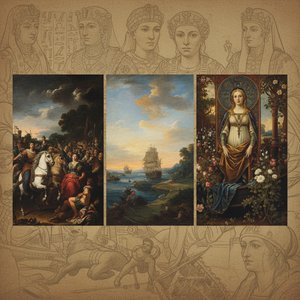
The museum’s collection is remarkably diverse, spanning from the 15th to the 18th centuries. While it leans heavily towards Flemish and French painting, you'll discover a fascinating array of artistic styles and techniques. A particular strength lies in its selection of Old Masters paintings – works by artists like Jan van den Velde the Younger, whose atmospheric landscapes evoke the beauty of the Burgundian countryside, and Antoine Le Grand, known for his captivating depictions of biblical scenes. Don’t miss the impressive collection of 17th-century Dutch still lifes, showcasing a mastery of light, color, and detail that exemplifies the Golden Age of Dutch painting. Beyond paintings, the museum boasts an intriguing assemblage of sculptures – primarily marble figures reflecting Mannerist and Baroque influences – alongside a selection of decorative arts including furniture, tapestries, and ceramics, offering a holistic view of artistic taste during this period.
-
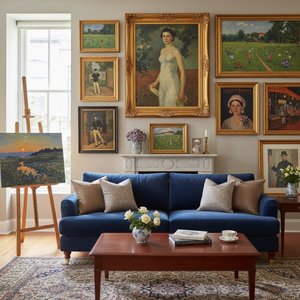
Notable Paintings: Among the most prized possessions are several portraits commissioned by members of the Châlons family, providing intimate glimpses into their lives and personalities. The collection also includes religious scenes, mythological subjects, and genre paintings that offer insights into contemporary social customs.
-
Sculptural Treasures: The museum’s sculptural collection features works in various materials – marble, bronze, and wood – demonstrating the evolving techniques and styles of sculpting during the Renaissance and Baroque periods.
Beyond the Paintings: Decorative Arts and Historical Context
The Musée des Beaux-Arts de Châtenay distinguishes itself through its comprehensive collection of decorative arts. These objects—ranging from intricately carved furniture to luxurious tapestries and delicate porcelain – provide a vital context for understanding the artistic tastes and material culture of the Burgundian nobility. The museum’s curators have meticulously researched the provenance of these items, revealing fascinating details about their origins, use, and significance within aristocratic households. Examining these pieces alongside the paintings offers a richer appreciation of the era's aesthetic values and social customs. The collection includes examples of Flemish tapestries, showcasing intricate floral designs and mythological scenes – a testament to the region’s thriving textile industry.
Significant Exhibitions and Ongoing Research
While the museum maintains a stable core collection, it regularly hosts temporary exhibitions that explore specific themes or artistic movements. These events often draw on collaborations with other institutions, bringing fresh perspectives and engaging new audiences. In recent years, the museum has focused on exhibitions exploring the influence of Flemish art in Burgundy, as well as highlighting lesser-known artists within its collection. Furthermore, ongoing research projects are dedicated to cataloging and conserving the museum’s holdings, ensuring their preservation for future generations. The museum actively engages with contemporary scholarship, contributing to a deeper understanding of Burgundian artistic heritage.
A Unique Experience: Intimacy and Discovery
What truly sets the Musée des Beaux-Arts de Châtenay apart is its intimate scale and welcoming atmosphere. Unlike larger, more overwhelming museums, this one invites visitors to linger, to explore at their own pace, and to forge a personal connection with the art on display. The knowledgeable staff are passionate about sharing their expertise and providing insightful commentary. It’s a place where you can lose yourself in the beauty of the artwork, imagine the lives of those who commissioned it, and appreciate the enduring legacy of Burgundian artistic patronage. For collectors seeking unique pieces or for anyone desiring an authentic cultural experience, the Musée des Beaux-Arts de Châtenay offers a truly special destination.