

A Chronicle of Wonder: The American Museum of Natural History
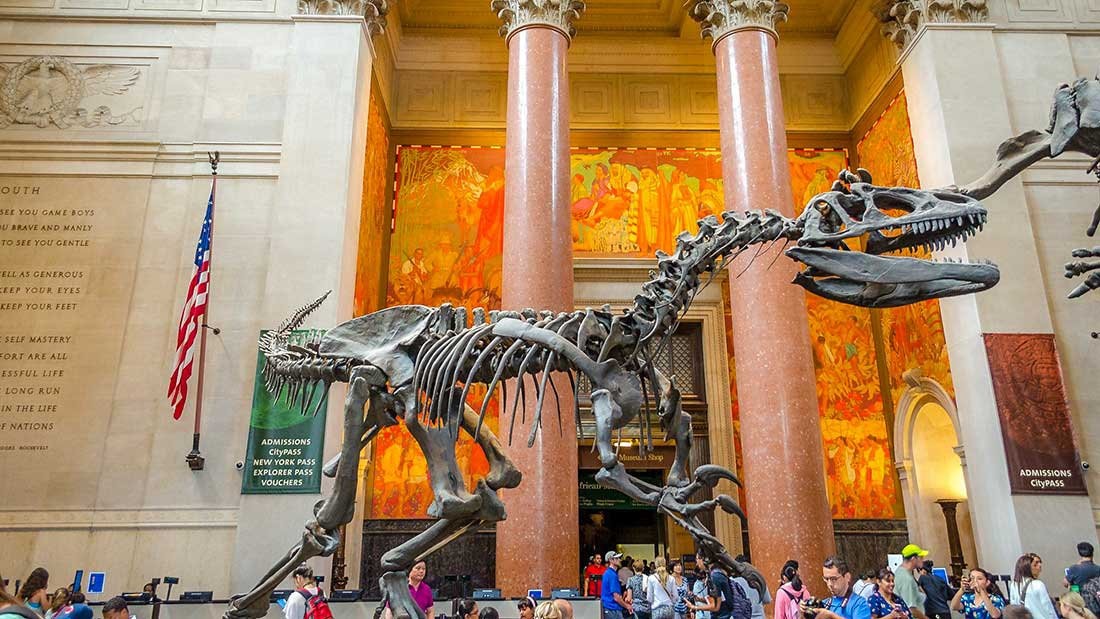
Stepping into the American Museum of Natural History is akin to embarking on a journey through time itself—a sprawling, breathtaking testament to humanity’s enduring fascination with the natural world and our place within it. More than simply a repository of specimens, the AMNH stands as a vibrant, living chronicle, meticulously assembled over centuries and radiating an almost palpable sense of discovery. Founded in 1869 by naturalist Albert S. Bickmore, driven by a profound belief that scientific knowledge should be freely accessible to all, the museum’s evolution has been as remarkable as its collection—a story etched into the very architecture of its twenty-one interconnected buildings. From its humble beginnings within Central Park's Arsenal, the AMNH blossomed through deliberate design, mirroring the boundless curiosity that fuels its mission. The initial Romanesque arches, a nod to the museum’s early commitment to classical scholarship, intertwine with Beaux-Arts grandeur, culminating in the Rose Center for Earth and Space’s futuristic silhouette—each edifice whispering tales of geological epochs and artistic innovation. This architectural tapestry isn't merely aesthetic; it’s a carefully orchestrated narrative mirroring the museum's own expansive story—a testament to both scientific rigor and the enduring human desire to understand our origins.
The sheer scale is humbling, inviting visitors to lose themselves in a labyrinth of wonders, from the colossal skeletons dominating the dinosaur halls to the delicate intricacies revealed within microscopic exhibits. But beyond the impressive displays lies an extraordinary collection—a treasure trove encompassing everything from ancient Egyptian artifacts to meticulously crafted animal sculptures and breathtaking wildlife films. These artworks aren’t merely decorative; they serve as conduits for storytelling, conveying profound insights into scientific observation and artistic interpretation.
Consider Charles Robert Knight's dinosaur paintings – a pivotal moment in paleontological visualization. His masterful compositions captured the majesty of prehistoric creatures with unparalleled accuracy, establishing a visual language that continues to inspire artists today. Similarly, James Lippitt Clark’s animal sculptures embody a dedication to capturing the essence of wildlife, reflecting a deep understanding of anatomy and movement.
The museum's architectural grandeur extends far beyond its initial Romanesque design. The Beaux-Arts buildings exemplify elegance and precision, while the Rose Center for Earth & Space’s geodesic sphere represents a bold leap into modern cosmology—a space where visitors can contemplate the immensity of the universe and reconnect with our fundamental place within it. Each element contributes to an immersive experience that stimulates both intellect and emotion.
Furthermore, exhibitions like “Shaping the Future Through Tradition” showcase multimedia works by Indigenous artists – a powerful reminder of cultural preservation and artistic innovation. These pieces demonstrate how art can communicate complex narratives about environmental stewardship and spiritual connection—lessons invaluable for contemporary designers seeking inspiration.
Finally, remember that a visit to the AMNH transcends mere observation; it’s an invitation to engage with science and artistry simultaneously. It's discovering the beauty of geological formations alongside the captivating stories told through dinosaur illustrations and wildlife films – a truly unforgettable journey for anyone passionate about art and design.
The museum’s commitment extends beyond its physical walls, fostering a deeper engagement with scientific inquiry through lectures, workshops, and collaborative projects. Its scientists conduct groundbreaking studies in fields ranging from evolutionary biology to climate science, contributing to our understanding of the natural world and addressing critical environmental challenges.