Florence
Italy
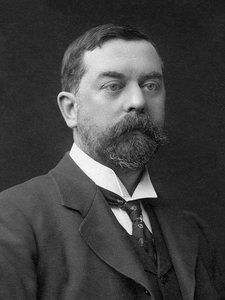
John Singer Sargent
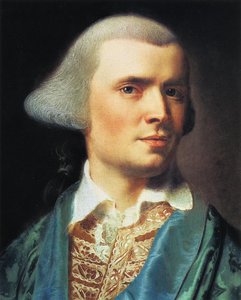
John S. Sargent, Fitzwilliam Sargent
19세기 말 미국 출신 화가 존 싱어 서전트! '마담 X'를 비롯한 사회 명사를 묘사한 초상화와 인상주의 풍경화로 유명합니다. 귀족적인 시대의 우아함과 예술적 혁신을 담은 그의 작품 세계를 만나보세요.
Impressionism
Carolus-Duran
January 12, 1856
April 15, 1925
John Singer Sargent
American
Madame X
Florence, Italy
Paris, France
3
Where was John Singer Sargent born?
A Legacy of Vision: The Columbia University Museum of Art
Nestled within the venerable halls of Columbia University in New York City’s Morningside Heights, the Columbia University Museum of Art (CUMA) isn't merely a repository for artistic treasures; it’s a vibrant testament to centuries of intellectual pursuit and architectural grandeur. Established in 1937 as an integral part of the university’s mission to foster knowledge and cultivate a thriving cultural landscape, CUMA stands as a unique intersection of academic rigor and profound artistic appreciation. More than just walls displaying objects, it embodies Columbia's enduring legacy – a commitment to shaping the world through understanding, innovation, and a deep respect for human creativity across cultures and eras. The museum’s strategic location within the historic campus seamlessly blends with the university’s storied past, creating an atmosphere of scholarly gravitas that invites contemplation and discovery. It began as a modest collection, largely assembled by alumni, but has grown into a remarkably diverse institution, reflecting a deliberate commitment to showcasing art from around the globe – a conscious effort to broaden perspectives and challenge conventional Western-centric narratives within the art world.
A Diverse Tapestry:
CUMA boasts an impressive collection encompassing over 5,000 works, a remarkable breadth reflecting artistic traditions from across the globe. The museum’s narrative isn’t confined to Western art; it actively champions diverse cultural expressions. Highlights include a significant selection of European paintings – particularly the luminous brushstrokes and evocative scenes of French Impressionism, with masterpieces by Monet and Renoir capturing fleeting moments of light and color. Alongside this, CUMA houses a robust collection of Asian art, showcasing the intricate beauty of Chinese bronzes, the serene elegance of Japanese prints, and the delicate craftsmanship of Korean ceramics. American art is equally represented, ranging from early colonial landscapes that evoke the spirit of the nascent nation to the bold abstraction of 20th-century pioneers like Abraham Aaron Neuman and Garry Winogrand. A dedicated section celebrates the work of Columbia alumni artists, offering intimate glimpses into their creative journeys – a lineage deeply intertwined with the museum’s own history.
Architectural Harmony:
The museum itself is a breathtaking example of Beaux-Arts design, meticulously integrated into the broader campus architecture. Designed by James Gamble Rogers, the building's imposing façade and soaring interior spaces exude a sense of scholarly gravitas – a physical embodiment of Columbia’s core values. Every detail, from the ornate carvings adorning the entrance to the expansive windows flooding the galleries with natural light, speaks to a commitment to beauty and intellectual engagement. The careful consideration given to materials and proportions creates an atmosphere conducive to both focused study and inspired contemplation. The building's scale is impressive, reflecting the importance of art within Columbia’s academic framework. It feels less like a museum and more like a grand, scholarly hall – a space designed to inspire awe and encourage deep engagement with the artwork it houses.
Echoes of Innovation: A History Rooted in Scholarship
CUMA’s origins are inextricably linked to Columbia University’s own evolution as a leading center for intellectual inquiry. Initially conceived as a means to enrich the university's educational offerings, the museum quickly grew into a vital resource for students and scholars alike. Throughout its history, CUMA has served not only as a display space but also as a research institution, supporting scholarly investigations and fostering critical dialogue about art and culture. The museum’s collection reflects this commitment to scholarship, with many works undergoing ongoing conservation and analysis by the museum's dedicated curatorial team. Notably, the museum benefited from the generous donation of the collection of Albert C. Elder in 1958, significantly expanding its holdings and solidifying its reputation as a major art institution. The influence of figures like Abraham Aaron Neuman, whose work explores Jewish history and culture, adds another layer to this scholarly foundation. The museum’s early curators were not simply art historians; they were also deeply involved in the intellectual debates of their time, using the collection as a springboard for exploring broader social and philosophical questions – a tradition that continues to inform CUMA's programming today.
Notable Exhibitions:
Over the years, CUMA has hosted numerous critically acclaimed exhibitions that have drawn visitors from around the world. Recent highlights include “Brushstrokes of Rebellion,” exploring the impact of Impressionism on social movements; and "The Art of Japan," a comprehensive survey of Japanese art spanning centuries. The museum regularly presents temporary exhibitions showcasing both established and emerging artists, fostering engagement with contemporary artistic trends. These curated experiences demonstrate CUMA’s commitment to presenting diverse perspectives and sparking meaningful conversations about art's role in society.
Academic Partnerships: A Bridge Between Art and Learning
CUMA actively collaborates with Columbia University’s academic departments, offering educational programs and research opportunities for students across various disciplines – from Art History to Anthropology. These partnerships enrich the museum's mission by connecting art with broader intellectual pursuits, creating a dynamic ecosystem of learning and discovery. The integration of art into the university curriculum underscores its importance as a tool for understanding the human experience. The museum’s curators frequently participate in lectures and seminars at Columbia, sharing their expertise and engaging students in critical discussions about artistic interpretation. Furthermore, CUMA hosts workshops and programs specifically designed to engage K-12 students, fostering an appreciation for art from a young age. The museum isn't simply a place to view artwork; it’s a vital component of the broader intellectual life of Columbia University – a space where art informs and is informed by scholarship.
A Window on the World: The Museum’s Unique Perspective
What truly distinguishes CUMA is its unwavering commitment to fostering a global perspective through art. Unlike many museums that primarily focus on Western artistic traditions, CUMA actively seeks out and celebrates diverse cultural expressions from around the world. This dedication is reflected in its extensive Asian collection, as well as its growing holdings of African, Latin American, and Indigenous art. The museum’s curators are deeply committed to contextualizing these works within their historical and cultural contexts, providing visitors with a richer understanding of global artistic heritage. The museum's location within Columbia University provides access to a diverse student body and faculty, enriching the museum's engagement with contemporary issues and perspectives. CUMA strives not just to display art, but to tell stories – stories about different cultures, different histories, and the universal human experience.
OriginalUniqueArt.com 편집팀 작성
아트 퀴즈
각 질문의 정답은 하나뿐입니다.
질문 1:
콜롬비아 대학교 미술관의 주요 특징은 무엇입니까?
질문 2:
콜롬비아 대학교 미술관 건물의 건축 디자인은 무엇으로 가장 잘 설명됩니까?
질문 3:
콜롬비아 대학교 미술관은 어떤 방식으로 다른 학문 분야와 협력하고 있습니까?
질문 4:
콜롬비아 대학교 미술관의 컬렉션은 어떤 예술 분야를 대표하며 특히 주목할 만한 점이 있습니까?
Journey through Impressionism's heart with 10 iconic paintings by Monet, Renoir & Degas. Explore light, color & the stories behind these masterpieces. Find museum-quality art reproductions and elevate your home decor on OriginalUniqueArt.com.
Explore the raw, evocative beauty of the Ashcan School. Discover how masters like Bellows and Glackens captured New York's urban soul through American Realism, and learn to bring this gritty, historical elegance into your modern art collection.
폴 세잔의 시대를 초월하는 명작 25점을 만나보세요. 인상주의를 넘어 후기 인상주의를 개척한 화가의 예술 세계와 정물화, 풍경화 속 숨겨진 이야기를 OriginalUniqueArt에서 감상하세요. 고품질 아트 프린트와 캔버스 액자로 공간에 예술을 더해보세요! 지금 바로 컬렉션을 탐험하세요.