


1


10월 2026 업데이트 · 인기 점수 기준 순위 (각 작품의 검색, 방문 및 주문 수) · 88점의 Theodor Kern 작품 (당사 카탈로그 기준)
요약하자면
갤러리가 선정한 Theodor Kern의 대표작은 Street Scene, Sicily (1930)입니다. Beach Scene, Italy (1930)와 Portrait of a Young Man (1937)가 더해져 누구나 한눈에 알아볼 수 있는 완벽한 트리오를 완성합니다. Theodor Kern의 작품 88점 중, 갤러리는 가장 유명한 87점을 아래와 같이 소개합니다. 각 작품은 제작 연도, 소장 미술관 및 작품의 특징을 포함한 독창적인 원작입니다.


 Italian Girl1928
12
 Mentone, France1929
13
 Cubist Study1931
14
 Self Portrait1930 · Bolton Museum And Art Gallery
15
 Portrait of a Young Woman in a Blue Dress1931
16
 French Café1932
17
 Sicilian Harbour1931
18
 Positano, Italy1929
19
 Continental Landscape1932 · Bolton Museum And Art Gallery
20
 Catania, Sicily1930
21
 Picnic1934
22
 Village Street, France1934
23
 Italian Landscape1936
24
 Florentine Landscape1936
25
 Village Scene, Switzerland1938
26
 Standing Female Nude1939
27
 Still Life, Roses1943
28
 Portrait of a Belgian Girl1941
29
 Still Life, Dahlias1940
30
 Still Life, Flowers Arranged in a Blue Striped Vase1941
31
 Self Portrait1950 · Bolton Museum And Art Gallery
32
 Landscape1960 · Bolton Museum And Art Gallery
33
 Portrait of a Girl with Dark Hair in Semi Profile
34
 Female Portrait
35
 Still Life with Fruit, a Jug and a Loaf
36
 Abstract
37
 Self Portrait
38
 Portrait of the Wife of the Artist
39
 Self Portrait
40
 Seated Female Nude, Salzburg, Austria
41
 Vase of Flowers
42
 Still Life, Tulips and Irises
43
 Building with a Wooded Hill Beyond and a Tree Lined Path in frontStockwood Discovery Centre
44
 Polish Bride
45
 Girl and Fruit, a Cubist Study
46
 Nativity
47
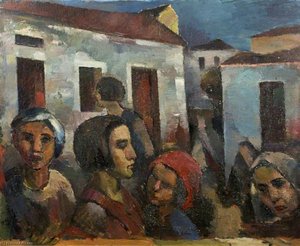 Italian Group
48
 Portrait of a Child in a Green V Neck Sweater
49
 Portrait of a Child with a Rabbit
50
 Flowers Including Roses in a Tall Vase
51
 Portrait of a Woman in a Green Blouse (possibly the artist's wife)
52
 Standing Nude Holding a Bouquet
53
 Abstract Yellow, Red and Blue
54
 Portrait of a Youth with a Yellow CoatStockwood Discovery Centre
55
 Reclining Nude
56
 Abstract
57
 Rural Scene
58
 Figures on Steps in front of a House
59
 Portrait of a Woman with a Green Shawl (possibly the artist's wife)
60
 View of Florence, Italy
61
 Street Scene, Sicily
62
 Flower Garden with a Large House beyond
63
 Nude with Golden Hair Holding a Letter
64
 Tree with Reflection, an Impressionist Study
65
 Portrait of a Young Woman with a Green Dress and a Brown Collar
66
 Portrait of a Woman with a Purple Shawl and a Red Dress
67
 Still Life with a Pineapple
68
 Portrait of a Woman with a Red Silk Scarf and a Green Dress
69
 Beach Scene with a Sunshade
70
 Head and Shoulders Portrait of a Woman in a Blue and Purple Dress
71
 Portrait of a Girl in a Gold Dress with Blue Spots
72
 A Mass of Flowers with a House and a Mountain Beyond
73
 View across a Bay with a Mountain Beyond
74
 Hill Scene, Group of Houses and a Church
75
 House with Boats (probably Venice, Italy)
76
 Head and Shoulders Portrait in Profile of of a Young Woman in a Broad Brimmed Hat
77
 Houses on a Hillside
78
 Elevated View of a Beach and a Village
79
 Landscape, Village in a Valley
80
 Still Life with a Fruit Bowl and a Jug with Flowers
81
 Still Life, Yellow and Red Flowers Arranged in a Vase
82
 Head and Shoulders Portrait of a Woman in a Green Hat
83
 Abstract Oil
84
 Flowers in a Vase with a Brown Background
85
 Hillside and Houses Framed by Trees, an Impressionist Study
86
 Wood, Hungary1936
87
 Draped Nude1932 · Bolton Museum And Art Gallery
이 오리지널 작품들에서 가장 자주 등장하는 네 가지 주제와 그 정수를 보여주는 대표작들.
이 페이지에 있는 작품을 가장 많이 소장하고 있는 2개의 미술관
| 소장 미술관 | 도시 | Theodor Kern의 작품 | 이 목록의 작품들 |
|---|---|---|---|
 Bolton Museum And Art Gallery |
볼턴 | 5 | Self Portrait, Continental Landscape, Self Portrait |
 Stockwood Discovery Centre |
Luton | 2 | Building with a Wooded Hill Beyond and a Tree Lined Path in front, Portrait of a Youth with a Yellow Coat |
그 시대를 정의하는 오리지널 작품을 만나보려면 연대를 선택하세요.


Street Scene, Sicily (1930). 다음은 Beach Scene, Italy (1930)와(과) Portrait of a Young Man (1937)입니다.
30세: Street Scene, Sicily은(는) 1930년 작품이며, Theodor Kern은(는) 1900년에 태어났습니다.
Street Scene, Sicily, Beach Scene, Italy, Portrait of a Young Man, Miss Maureen Bently, Landscape with a Tree by a River and Hills in the Distance, Christ in the House of Martha and Mary, Floral Study, Untitled, Female Portrait 및 Street Scene (possibly Italy). 위 순위는 각 작품의 제작 연도와 소장 박물관을 나타냅니다.
저희 카탈로그에는 1928년부터 1960년 사이의 Theodor Kern 작가의 작품 88점이 수록되어 있습니다.
대부분 Bolton Museum And Art Gallery (볼턴) 및 Stockwood Discovery Centre (Luton)에 소장되어 있습니다. 위의 박물관 목록에서 전체 목록을 확인하실 수 있습니다.
1930s 동안: 이 페이지의 총 87점의 작품 중 18점이 해당 시기에 제작되었으며, 그중 Street Scene, Sicily점입니다.
이 페이지에서 가장 오래된 작품은 Italian Girl (1928)이며, 가장 최근 작품은 Landscape (1960)입니다.
이 페이지의 87점의 작품에 걸쳐 있는 Portrait (5), Reflection (3) 및 Architectural art (2)
이 페이지의 원작들을 기준으로 볼 때, Post-impressionism
Self Portrait, Continental Landscape 및 Self Portrait: Bolton Museum And Art Gallery, 볼턴은(는) 이 페이지에 있는 작품 중 5점을 소장하고 있습니다.
