The Visionary of the Glasgow Style
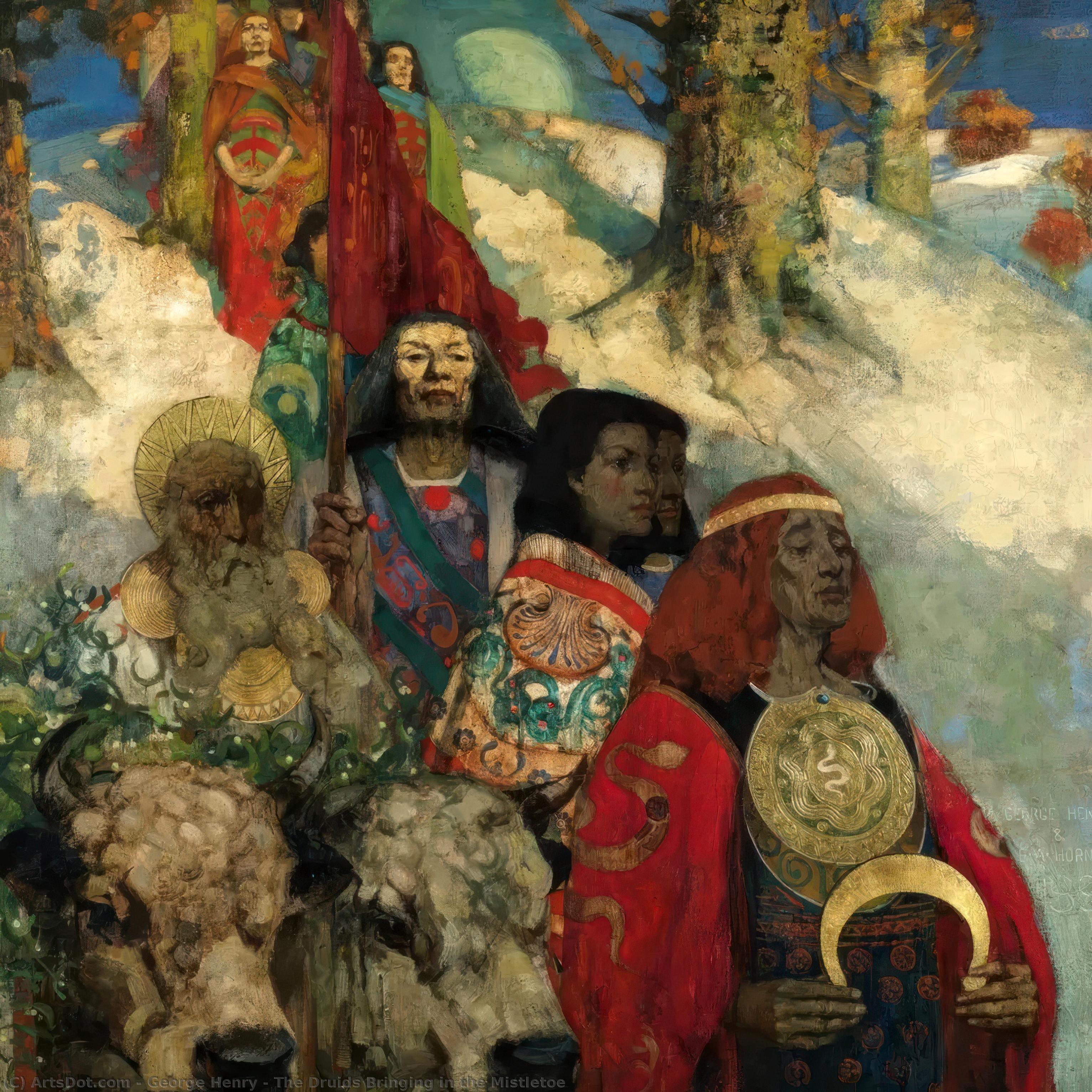
George Henry stands as a luminous figure in the annals of British art, a painter whose brush captured the shifting light and soulful atmosphere of the late nineteenth century. Born in Irvine, Scotland, in 1858, Henry became a cornerstone of the influential Glasgow Boys movement, a group of rebellious young artists who sought to break free from the stifling constraints of academic realism. His journey was one of profound transformation, moving away from traditionalist rigidity toward a more emotive, sensory experience of the world. Through his work, the rugged beauty of the Ayrshire landscape and the quiet dignity of his subjects were elevated into something much more poetic and enduring.
The foundations of Henry’s aesthetic were laid during his formative years at the Glasgow School of Art. It was here that he forged deep connections with contemporaries such as John Singer Sargent, creating a shared intellectual space where new ideas could flourish. His training was not merely technical but deeply philosophical, as he began to absorb the revolutionary currents of Impressionism and the delicate, flattened perspectives of Japonisme. This fascination with Japanese art prints introduced a decorative elegance to his compositions, allowing him to balance the raw energy of light with a structured, almost rhythmic sense of design.
A Symphony of Light and Color
Henry’s mastery lay in his ability to translate the ephemeral qualities of nature into permanent pigment. His landscapes are far more than mere topographical records; they are psychological evocations of place. He utilized loose, expressive brushstrokes and a vibrant palette to capture the fleeting moments of the day, from the golden warmth of afternoon sun to the melancholic descent of dusk. One of his most evocative triumphs, "Gloamin'" (1889), serves as a masterclass in atmosphere, where the artist uses color and texture to invite the viewer into a state of quiet contemplation and intimacy.
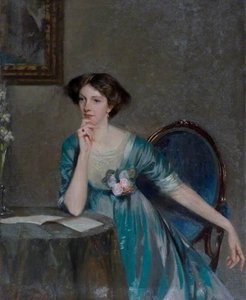
Beyond the sweeping vistas of the Scottish countryside, Henry’s portraiture revealed a different facet of his genius. In his depictions of individuals, he moved beyond simple likeness to capture an inner essence. His portraits are characterized by:
- A sensitive approach to light that softens the features and emphasizes mood.
- An empathetic gaze that honors the psychological depth of his subjects.
- A seamless integration of subject and setting, often using decorative elements to frame the sitter.
This duality—the ability to be both a bold experimentalist and a meticulous observer—is what defines his unique contribution to the
Glasgow Style.
Legacy and Historical Significance
While George Henry may have experienced periods of relative obscurity during his lifetime, the historical significance of his work has undergone a profound resurgence. He is now recognized not just as a regional painter, but as a pioneer who helped bridge the gap between traditional Scottish painting and the modern European avant-garde. His ability to fuse the ruggedness of his native landscape with the sophisticated decorative motifs of international trends created a visual language that was entirely his own.
Today, the legacy of George Henry lives on through the enduring charm of his canvases, which continue to resonate with modern audiences seeking beauty, emotion, and a connection to the natural world. His life’s work remains a testament to the power of artistic rebellion—a reminder that by challenging the conventions of the past, one can illuminate the path toward a new and breathtaking way of seeing.