Ernst Barlach의 초상화

세상에 단 하나뿐인, 가장 유명한 Ernst Barlach 작품 12선

10월 2026 업데이트 · 인기 점수 기준 순위 (각 작품의 검색, 방문 및 주문 수) · 12점의 Ernst Barlach 작품 (당사 카탈로그 기준)

요약하자면

Frenzy (Der Berserker) (1910)은(는) Ernst Barlach의 작품 중 가장 많은 시선을 사로잡는 회화이며, 원작은 캔자스시티에 위치한 넬슨 아트 박물관에 소장되어 있습니다. 그다음 시선은 Man in Ecstasy (1912)와 The Flutist (1936)로 향합니다. 우리 카탈로그에 수록된 Ernst Barlach의 작품 12점 중, 가장 유명한 12점을 소개합니다. 각 작품은 제작 연도, 소장 박물관, 그리고 시대를 초월해 사랑받는 이유와 함께 독창적인 원작으로 제시됩니다.

1870 – 1938 Expressionism 최다 소장처: 넬슨 아트 박물관

갤러리의 시선으로 선정한 Ernst Barlach의 명작 Top 10

1
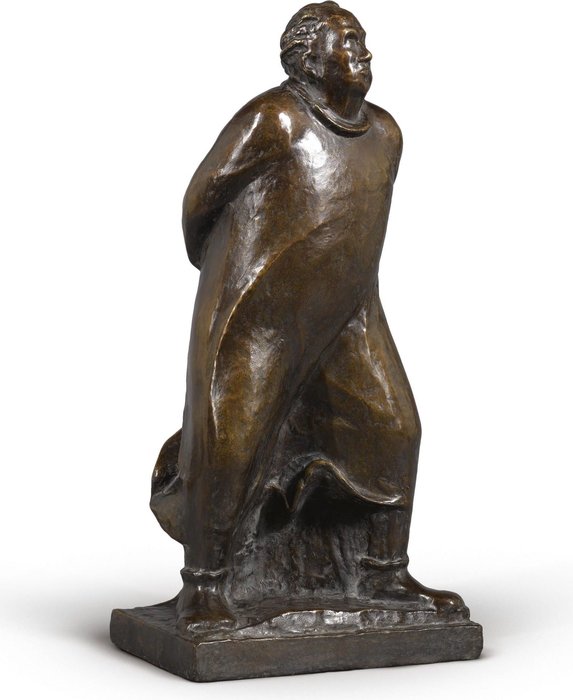
Frenzy (Der Berserker) (1910) 의 Ernst Barlach

Frenzy (Der Berserker)

1910 · Bronze · 넬슨 아트 박물관, 캔자스시티

In the heavy, bronze contours of Ernst Barlach’s Frenzy (Der Berserker), one does not merely observe a sculpture; one encounters a visceral eruption of human emotion. Created in 1910, this masterpiece stands as a profound testament to the power of German Expressionism, capturing a moment where physical form and psychological turmoil become indistinguishable. The figure, cast in enduring bronze, presents a powerful, solid silhouette that seems to vibrate with an…

4
Panic Terror (1912) 의 Ernst Barlach

Panic Terror

1912 · Wood · Staatliche Kunsthalle Karlsruhe, 카를스루에

In 1912, the sculptor Ernst Barlach carved a moment of raw friction into Baltic birch. The work, titled Panic Terror, captures a sudden, violent collision between two human forms. It is a physical knot of resistance and weight. The wood bears the marks of a struggle that feels both immediate and ancient.

5
The Singing Man (1928) 의 Ernst Barlach

The Singing Man

1928

Ernst Barlach ist einer der bedeutendsten Bildhauer des deutschen Expressionismus. Geprägt durch die erschütternden Erfahrungen des Ersten Weltkriegs und später in radikaler Opposition zur rassistisch definierten nationalsozialistischen Propaganda einer Volksgemeinschaft befasste er sich mit dem Individuum, häufig in dessen existenzieller Einsamkeit und Not, aber auch in Momenten des unmittelbaren und als glücklich erlebten Daseins. Der singende Mann wirkt in seiner zurückgelehnten Haltung gelöst und lauscht mit Freude und ein wenig…

7
Shepherd in a Storm (1908) 의 Ernst Barlach

Shepherd in a Storm

1908 · Wood · Kunsthalle Bremen, 브레멘

In the evocative sculpture Shepherd in a Storm, created in 1908 by the German Expressionist master Ernst Barlach, we encounter a profound meditation on human resilience. The piece captures a moment of intense struggle, where a shepherd, with his head bowed and hat pulled low against the elements, battles an unseen, relentless wind. This atmospheric tension serves as a powerful metaphor for the adversities and tempests that define the human…

Ernst Barlach의 유명 작품, 11~12번

Ernst Barlach의 시선을 사로잡은 주제들

이 오리지널 작품들에서 가장 자주 등장하는 네 가지 주제와 그 정수를 보여주는 대표작들.

Ernst Barlach의 원작을 소장하고 있는 미술관

이 페이지에 있는 작품을 가장 많이 소장하고 있는 5개의 미술관

소장 미술관 도시 Ernst Barlach의 작품 이 목록의 작품들
넬슨 아트 박물관, 캔자스시티넬슨 아트 박물관 캔자스시티 1 Frenzy (Der Berserker)
Aichi Prefectural Museum of Art, 나고야Aichi Prefectural Museum of Art 나고야 1 Man in Ecstasy
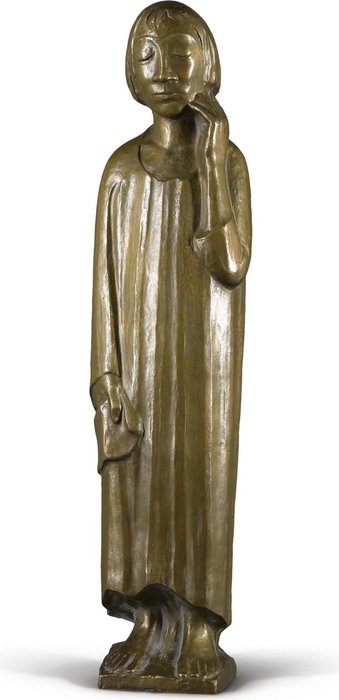
Lehmbruck Museum, DüsseldorfLehmbruck Museum Düsseldorf 1 The Flutist
Staatliche Kunsthalle Karlsruhe, 카를스루에Staatliche Kunsthalle Karlsruhe 카를스루에 1 Panic Terror
Kunsthalle Bremen, 브레멘Kunsthalle Bremen 브레멘 1 Shepherd in a Storm

수십 년에 걸친 Ernst Barlach의 작품: 각 시대의 유일무이한 원화

연대별 작품 수

그 시대를 정의하는 오리지널 작품을 만나보려면 연대를 선택하세요.

Ernst Barlach의 작품: 갤러리에 문의하기

Ernst Barlach의 가장 대표적인 작품은 무엇인가요?정답 확인하기

Frenzy (Der Berserker) (1910), 넬슨 아트 박물관, 캔자스시티. 다음은 Man in Ecstasy (1912)와 The Flutist (1936)입니다.

Ernst Barlach 작가는 몇 세에 Frenzy (Der Berserker)을(를) 제작했을까요?정답 확인하기

40세: Frenzy (Der Berserker)은(는) 1910년 작품이며, Ernst Barlach은(는) 1870년에 태어났습니다.

Ernst Barlach의 작품 중 가장 유명한 10가지 명작은 무엇인가요?정답 확인하기

Frenzy (Der Berserker), Man in Ecstasy, The Flutist, Panic Terror, The Singing Man, Untitled (727), Shepherd in a Storm, Untitled (305), Untitled (207) 및 Untitled (902). 위 순위는 각 작품의 제작 연도와 소장 박물관을 나타냅니다.

Ernst Barlach의 작품은 몇 점인가요?정답 확인하기

저희 카탈로그에는 1908년부터 1936년 사이의 Ernst Barlach 작가의 작품 12점이 수록되어 있습니다.

가장 유명한 Ernst Barlach의 원작은 어디에서 볼 수 있나요?정답 확인하기

대부분 넬슨 아트 박물관 (캔자스시티), Aichi Prefectural Museum of Art (나고야) 및 Lehmbruck Museum (Düsseldorf)에 소장되어 있습니다. 위의 박물관 목록에서 전체 목록을 확인하실 수 있습니다.

Ernst Barlach의 가장 유명한 작품들은 어느 시기에 제작되었나요?정답 확인하기

1910s 동안: 이 페이지의 총 12점의 작품 중 3점이 해당 시기에 제작되었으며, 그중 Frenzy (Der Berserker)점입니다.

Ernst Barlach의 유명 작품 중 가장 먼저 그려진 작품과 가장 나중에 그려진 작품은 무엇인가요?정답 확인하기

이 페이지에서 가장 오래된 작품은 Shepherd in a Storm (1908)이며, 가장 최근 작품은 The Flutist (1936)입니다.

Ernst Barlach 작가가 가장 많이 사용한 재료는 무엇인가요?정답 확인하기

이 페이지의 총 12점의 작품 중 2점의 Wood

Ernst Barlach의 작품은 어떤 미술 사조에 속하나요?정답 확인하기

이 페이지의 원작들을 기준으로 볼 때, Expressionism

Ernst Barlach: 작가의 초상화

Ernst Barlach: Life and Legacy

Early Life and Education

  • Born in Wedel, Holstein (Germany) on January 2nd, 1870, Ernst Heinrich Barlach was the eldest of four sons.
  • His father, Dr. Georg Barlach, was a physician who died when Ernst was fourteen, leading to a move with his family.
  • He received his early education in Ratzeburg and Schönberg, growing up in a devout Lutheran household.
  • Barlach began his artistic training at the Gewerbeschule Hamburg (Hamburg School of Applied Arts) from 1888 to 1891.
  • He continued his studies at the Königliche Akademie der bildenden Künste zu Dresden (Royal Academy of Fine Arts in Dresden) between 1891 and 1895, creating his first major sculpture, Die Krautpflückerin (The Herb Plucker).
  • He briefly studied at the Académie Julian in Paris from 1895 to 1897 but remained critical of simply copying French styles.

Artistic Development and Influences

  • Initially, Barlach worked in an Art Nouveau style, creating illustrations for the magazine Jugend and ceramic sculptures.
  • A pivotal trip to Russia in 1906 profoundly influenced his artistic direction, exposing him to new perspectives and a more expressive aesthetic.
  • Financial support from art dealer Paul Cassirer allowed Barlach to develop his unique style, focusing on the emotional intensity of human figures.
  • He drew inspiration from early Gothic art, particularly its dramatic drapery and spiritual yearning.
  • Barlach’s work also reflects influences from Russian folk art and a growing interest in portraying the lives of ordinary people.

Key Themes and Artistic Style

  • Barlach's sculptures, prints, and writings often explored themes of human suffering, spiritual longing, and social injustice.
  • His figures are characterized by their elongated forms, expressive gestures, and a sense of inner turmoil.
  • He frequently used wood carving and bronze as his primary mediums, emphasizing the tactile qualities of these materials.
  • The Singing Man, Frenzy (Der Berserker), and Shepherd in a Storm are examples of his emotionally charged and symbolic works.

World War I and its Aftermath

  • Initially, Barlach was a patriotic supporter of World War I, anticipating artistic renewal through conflict.
  • His experience as an infantry soldier from 1915 to 1916 profoundly changed his views, transforming him into a staunch pacifist.
  • The horrors of war became a central theme in his subsequent work, leading to powerful anti-war sculptures like Der Rächer (The Avenger).

Recognition and Controversy

  • Barlach gained significant recognition after the war, becoming a member of prestigious art academies in Prussia and Munich.
  • However, his anti-war stance and expressive style drew criticism during the rise of Nazism.
  • His works were labeled as “degenerate art” by the Nazi regime and confiscated from museums.
  • The Magdeburg Cenotaph, a WWI memorial depicting the pain and futility of war, sparked intense controversy and was temporarily removed.

Legacy and Historical Significance

  • Ernst Barlach died in Güstrow, Mecklenburg, on October 24th, 1938, but his artistic legacy endures.
  • He is considered one of the most important German Expressionist sculptors of the 20th century.
  • His work continues to resonate with audiences today, offering a powerful commentary on the human condition and the devastating consequences of war.
  • Barlach’s commitment to artistic integrity in the face of political oppression makes him an important figure in art history.