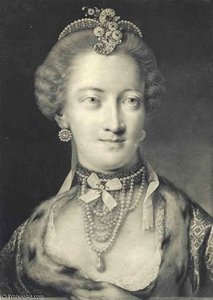
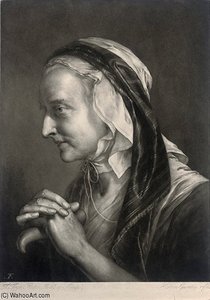
Thomas Frye의 초상화

세상에 단 하나뿐인, 가장 유명한 Thomas Frye 작품 40선

11월 2026 업데이트 · 인기 점수 기준 순위 (각 작품의 검색, 방문 및 주문 수) · 40점의 Thomas Frye 작품 (당사 카탈로그 기준)

요약하자면

Thomas Frye (1759)은(는) Thomas Frye의 작품 중 가장 많은 시선을 사로잡는 회화이며, 원작은 런던에 위치한 National Portrait Gallery에 소장되어 있습니다. 그다음 시선은 Portrait of Sir Charles Kemeys-Tynte, Baronet (1710-1785) (1739)와 Portrait of John Allen of Bridgewater (1739)로 향합니다. 우리 카탈로그에 수록된 Thomas Frye의 작품 40점 중, 가장 유명한 40점을 소개합니다. 각 작품은 제작 연도, 소장 박물관, 그리고 시대를 초월해 사랑받는 이유와 함께 독창적인 원작으로 제시됩니다.

1710 – 1762, Dublin 최다 소장처: 아일랜드 국립 미술관

갤러리의 시선으로 선정한 Thomas Frye의 명작 Top 10

1
Thomas Frye (1759) 의 Thomas Frye

Thomas Frye

1759 · Oil On Canvas · National Portrait Gallery, 런던

Created in 1759, this oil on canvas work presents the artist, Thomas Frye, as his own subject. The portrait captures the man in a three-quarter view, presenting a formal and somber appearance. He is depicted with light-colored, powdered hair that contrasts against the darker tones of his attire. A dark jacket and a white neckcloth define his clothing, grounding the figure within a restrained, eighteenth-century aesthetic.

Thomas Frye의 유명 작품, 11~40번

Thomas Frye의 시선을 사로잡은 주제들

이 오리지널 작품들에서 가장 자주 등장하는 네 가지 주제와 그 정수를 보여주는 대표작들.

Thomas Frye의 원작을 소장하고 있는 미술관

이 페이지에 있는 작품을 가장 많이 소장하고 있는 7개의 미술관

소장 미술관 도시 Thomas Frye의 작품 이 목록의 작품들
아일랜드 국립 미술관, 더블린아일랜드 국립 미술관 더블린 3 Portrait of Sir Charles Kemeys-Tynte, Baronet (1710-1785), Portrait of John Allen of Bridgewater, Portrait of Susannah Walker
National Portrait Gallery, 런던National Portrait Gallery 런던 1 Thomas Frye
로열 컬렉션, 런던로열 컬렉션 런던 1 Frederick, Prince of Wales (1707-1751)
예일 영국 미술관, 뉴헤이븐예일 영국 미술관 뉴헤이븐 1 A Woman, Traditionally Identified as Mrs.Wardle
메트로폴리탄 미술관, 뉴욕메트로폴리탄 미술관 뉴욕 1 Untitled (D2WVNF)
국립 미술관, 스톡홀름국립 미술관 스톡홀름 1 Unknown man
스코틀랜드 국립 초상화 갤러리, Edinburgh스코틀랜드 국립 초상화 갤러리 Edinburgh 1 Richard Leveridge

수십 년에 걸친 Thomas Frye의 작품: 각 시대의 유일무이한 원화

연대별 작품 수

그 시대를 정의하는 오리지널 작품을 만나보려면 연대를 선택하세요.

Thomas Frye의 작품: 갤러리에 문의하기

Thomas Frye의 가장 대표적인 작품은 무엇인가요?정답 확인하기

Thomas Frye (1759), National Portrait Gallery, 런던. 다음은 Portrait of Sir Charles Kemeys-Tynte, Baronet (1710-1785) (1739)와 Portrait of John Allen of Bridgewater (1739)입니다.

Thomas Frye 작가는 몇 세에 Thomas Frye을(를) 제작했을까요?정답 확인하기

49세: Thomas Frye은(는) 1759년 작품이며, Thomas Frye은(는) 1710년에 태어났습니다.

Thomas Frye의 작품 중 가장 유명한 10가지 명작은 무엇인가요?정답 확인하기

Thomas Frye, Portrait of Sir Charles Kemeys-Tynte, Baronet (1710-1785), Portrait of John Allen of Bridgewater, Frederick, Prince of Wales (1707-1751), A Woman, Traditionally Identified as Mrs.Wardle, Portrait of Susannah Walker, Untitled (D2WVNF), Unknown man, The Observer 및 Untitled. 위 순위는 각 작품의 제작 연도와 소장 박물관을 나타냅니다.

Thomas Frye의 작품은 몇 점인가요?정답 확인하기

저희 카탈로그에는 1739년부터 1760년 사이의 Thomas Frye 작가의 작품 40점이 수록되어 있습니다.

가장 유명한 Thomas Frye의 원작은 어디에서 볼 수 있나요?정답 확인하기

대부분 아일랜드 국립 미술관 (더블린), National Portrait Gallery (런던) 및 로열 컬렉션 (런던)에 소장되어 있습니다. 위의 박물관 목록에서 전체 목록을 확인하실 수 있습니다.

Thomas Frye의 가장 유명한 작품들은 어느 시기에 제작되었나요?정답 확인하기

1730s 동안: 이 페이지의 총 40점의 작품 중 2점이 해당 시기에 제작되었으며, 그중 Portrait of Sir Charles Kemeys-Tynte, Baronet (1710-1785)점입니다.

Thomas Frye의 유명 작품 중 가장 먼저 그려진 작품과 가장 나중에 그려진 작품은 무엇인가요?정답 확인하기

이 페이지에서 가장 오래된 작품은 Portrait of Sir Charles Kemeys-Tynte, Baronet (1710-1785) (1739)이며, 가장 최근 작품은 Portrait of Susannah Walker (1760)입니다.

Thomas Frye 작가는 어떤 주제를 주로 다루었나요?정답 확인하기

이 페이지의 40점의 작품에 걸쳐 있는 Portraits (8), Portrait (5) 및 Men (4)

아일랜드 국립 미술관에서 어떤 Thomas Frye의 원화를 볼 수 있나요?정답 확인하기

Portrait of Sir Charles Kemeys-Tynte, Baronet (1710-1785), Portrait of John Allen of Bridgewater 및 Portrait of Susannah Walker: 아일랜드 국립 미술관, 더블린은(는) 이 페이지에 있는 작품 중 3점을 소장하고 있습니다.

Thomas Frye: 작가의 초상화

The Versatile Legacy of Thomas Frye

Thomas Frye stands as a remarkable figure of the eighteenth century, an Anglo-Irish polymath whose creative reach extended far beyond the traditional boundaries of portraiture. Born in Edenderry, Ireland, Frye’s journey from his Irish roots to the vibrant artistic circles of London allowed him to cultivate a diverse mastery over various media. He was not merely a painter but a skilled engraver and a pioneer in the delicate art of porcelain manufacturing. His ability to navigate between the intimate scale of miniatures and the grand presence of oil portraits marks him as one of the most significant Irish artists of his era, blending technical precision with an innate understanding of character.

His artistic development was characterized by a profound command over both color and line. In his portraiture, Frye utilized oil and pastel to capture the aristocratic grace and psychological depth of his subjects. Whether rendering the soft textures of skin in a pastel miniature or the stately presence of figures like Lieutenant Colonel George Walsh, his work resonates with an enduring elegance. His early explorations in mezzotint engraving further demonstrated his technical prowess, allowing him to disseminate his visual narratives through print, reaching a much wider audience than the single canvas could ever permit.

A Pioneer of Porcelain and Print

Beyond the easel, Frye’s historical significance is deeply intertwined with the industrial and decorative arts of England. He was a man of immense entrepreneurial spirit, most notably serving as the patentee of the Bow porcelain factory in London. In an era of intense competition among ceramic innovators, Frye claimed a central role in the history of English pottery, even asserting in his epitaph that he was the inventor and first manufacturer of porcelain in England. While historical debate continues regarding his precedence over rivals at the Chelsea factory, his management of the Bow works remains a cornerstone of his multifaceted career.

The breadth of his contributions can be summarized through his various artistic roles:

  • Portrait Painter: Renowned for his ability to capture likenesses in oil, pastel, and chalk, ranging from delicate miniatures to full-length compositions.
  • Printmaker: A skilled engraver who utilized the mezzotint technique to publish series of life-size fancy portraits.
  • Ceramic Innovator: A key figure in the development of English porcelain through his leadership at the Bow porcelain factory.

Frye’s life was a testament to the intersection of fine art and industrial innovation. Even as he faced personal hardships, such as the respiratory struggles that eventually led him to retire to Wales, his dedication to his craft never wavered. His legacy survives not only in the galleries of prestigious institutions like The Metropolitan Museum of Art but also in the very fabric of English decorative history, leaving an indelible mark on the visual culture of the eighteenth century.