Sylvanus Redgate의 초상화

Sylvanus Redgate 회화: 갤러리의 시선으로 선별한 가장 유명한 작품 11선

11월 2026 업데이트 · 인기 점수 기준 순위 (각 작품의 검색, 방문 및 주문 수) · 11점의 Sylvanus Redgate 작품 (당사 카탈로그 기준)

요약하자면

갤러리가 선정한 Sylvanus Redgate의 가장 유명한 작품은 William Felkin (1795–1874) (1850)이며, 원작은 Nottingham의 Nottingham Industrial Museum에 전시되어 있습니다. Alderman William George Ward (1878)와 Major Jonathan White (b.1804), RHR (The Old Adjutant) (1883)가 더해져 누구나 한눈에 알아볼 수 있는 완벽한 트리오를 완성합니다. Sylvanus Redgate의 작품 11점 중, 갤러리는 가장 유명한 11점을 아래와 같이 소개합니다. 각 작품은 제작 연도, 소장 미술관 및 작품의 특징을 포함한 독창적인 원작입니다.

1827 – 1907 최다 소장처: Nottingham Castle Museum And Art Gallery

갤러리 베스트 10 Sylvanus Redgate 작품

1
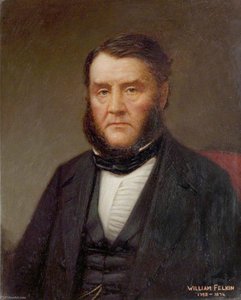
William Felkin (1795–1874) (1850) 의 Sylvanus Redgate

William Felkin (1795–1874)

1850 · Oil On Canvas · Nottingham Industrial Museum, Nottingham

The oil on canvas depicts William Felkin, a man who lived from 1795 to 1874. He is presented in a frontal view, seated against a plain, neutral wall that offers no distraction from his presence. He wears a dark suit paired with a white shirt and a black bow tie. His facial features are rendered with precision, specifically the texture of his mustache and beard. A serious expression is fixed…

2
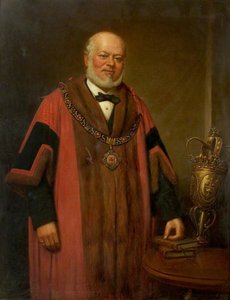
Alderman William George Ward (1878) 의 Sylvanus Redgate

Alderman William George Ward

A man sits framed by the quiet gravity of a library. He wears a red robe, the fabric heavy and edged in gold, a garment that speaks of office and established order. His mustache is dark and precise against his skin. Behind him, the shelves are crowded with the silent presence of books, their spines catching the light in a dim, academic space. He does not look away; his gaze…

3
Major Jonathan White (b.1804), RHR (The Old Adjutant) (1883) 의 Sylvanus Redgate

Major Jonathan White (b.1804), RHR (The Old Adjutant)

In this 1883 portrait, Sylvanus Redgate presents us with Major Jonathan White, a man whose very posture commands a quiet, seasoned authority. The subject, known as "The Old Adjutant," is captured in a moment of stillness, his gaze meeting the viewer with a steady, serious expression. He is a man of substance, dressed in a dark, formal coat that absorbs the light, contrasted sharply by the crispness of his necktie…

4
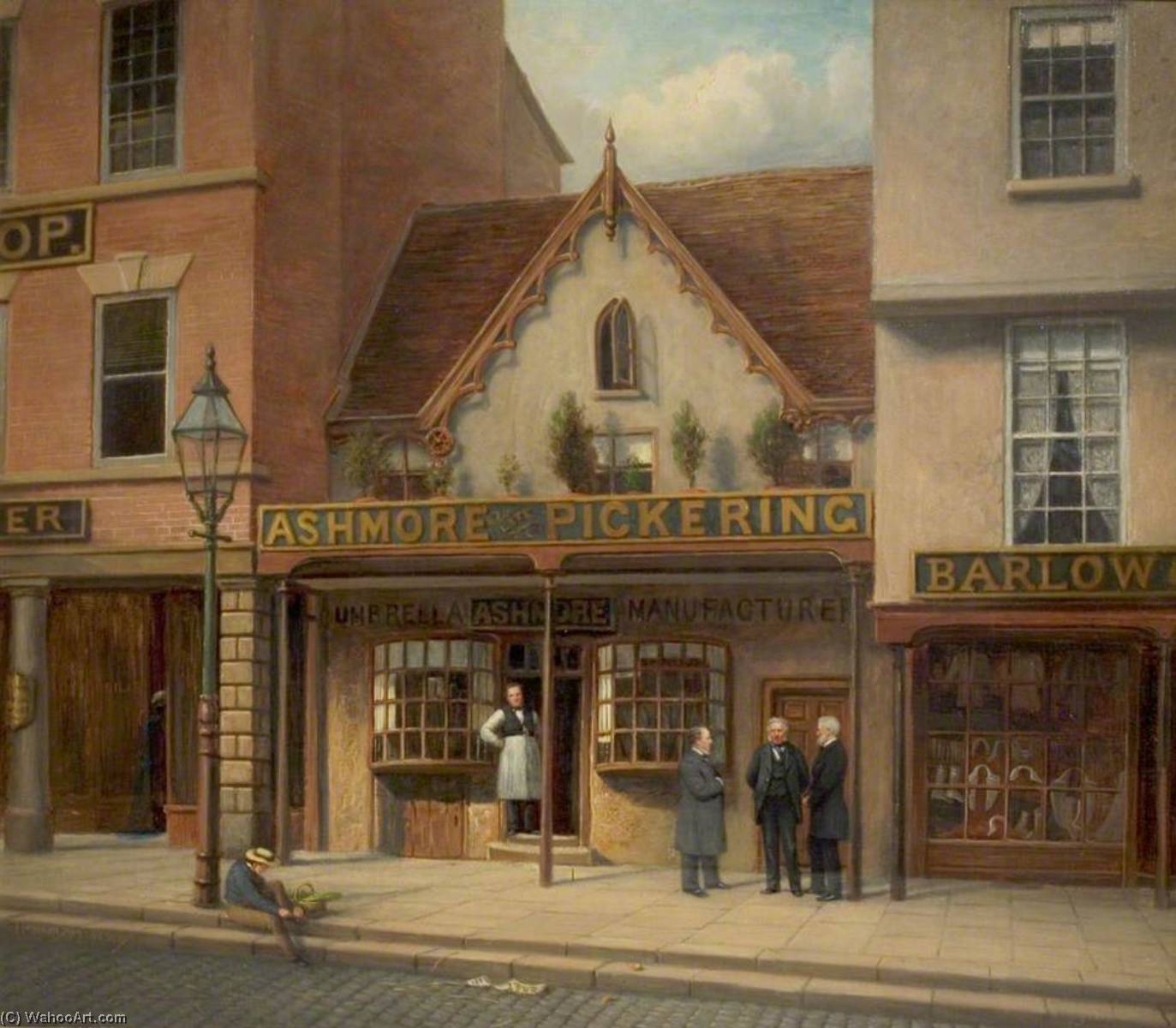
39, Long Row, the Market Place, Nottingham (1879) 의 Sylvanus Redgate

39, Long Row, the Market Place, Nottingham

The brickwork of Nottingham holds the heat of a late afternoon in 1879. In this depiction of 39, Long Row, the Market Place, the city breathes through its narrow arteries. Figures gather on the sidewalk, their presence a quiet interruption to the architecture of commerce. A clock hangs suspended from a building, its hands marking a time that feels both fleeting and fixed. Potted greenery sits near the edge of…

11위부터 11위까지의 Sylvanus Redgate 작품

Sylvanus Redgate의 시선을 사로잡은 주제들

이 오리지널 작품들에서 가장 자주 등장하는 네 가지 주제와 그 정수를 보여주는 대표작들.

Sylvanus Redgate의 원작을 소장하고 있는 미술관

이 페이지에 있는 작품을 가장 많이 소장하고 있는 3개의 미술관

소장 미술관 도시 Sylvanus Redgate의 작품 이 목록의 작품들
Nottingham Castle Museum And Art Gallery, 노팅엄Nottingham Castle Museum And Art Gallery 노팅엄 5 Alderman William George Ward, Major Jonathan White (b.1804), RHR (The Old Adjutant), 39, Long Row, the Market Place, Nottingham
Nottingham Industrial Museum, NottinghamNottingham Industrial Museum Nottingham 1 William Felkin (1795–1874)
Nottinghamshire County Cricket Club, 노팅엄Nottinghamshire County Cricket Club 노팅엄 1 James Grundy (1827–1873)

Sylvanus Redgate, 10년마다 탄생한 대표작 한 점

연대별 작품 수

그 시대를 정의하는 오리지널 작품을 만나보려면 연대를 선택하세요.

Sylvanus Redgate의 작품: 갤러리의 해답

Sylvanus Redgate의 작품 중 가장 유명한 작품은 무엇인가요?정답 확인하기

William Felkin (1795–1874) (1850), Nottingham Industrial Museum, Nottingham. 다음은 Alderman William George Ward (1878)와 Major Jonathan White (b.1804), RHR (The Old Adjutant) (1883)입니다.

Sylvanus Redgate이(가) William Felkin (1795–1874)을(를) 완성했을 당시의 나이는 몇 살이었나요?정답 확인하기

23세: William Felkin (1795–1874)은(는) 1850년 작품이며, Sylvanus Redgate은(는) 1827년에 태어났습니다.

Sylvanus Redgate의 대표작 10점은 무엇인가요?정답 확인하기

William Felkin (1795–1874), Alderman William George Ward, Major Jonathan White (b.1804), RHR (The Old Adjutant), 39, Long Row, the Market Place, Nottingham, William Sudbury (b.1829), Last Chairman of the Ilkeston Local Board (1887), Alderman William Wade (b.1830), Mayor of the Borough of Ilkeston (1888–1889), Wright Lissett (b.1837), First Town Clerk of the Borough of Ilkeston (1887–1911), Henry Dawson (1811–1878), James Grundy (1827–1873) 및 Henry Kirke White (copy after an orginal of c.1805 by Thomas Barber). 위 순위는 각 작품의 제작 연도와 소장 박물관을 나타냅니다.

Sylvanus Redgate의 작품은 몇 점인가요?정답 확인하기

저희 카탈로그에는 1850년부터 1901년 사이의 Sylvanus Redgate 작가의 작품 11점이 수록되어 있습니다.

Sylvanus Redgate의 가장 유명한 원작들은 어디에 전시되어 있을까요?정답 확인하기

대부분 Nottingham Castle Museum And Art Gallery (노팅엄), Nottingham Industrial Museum (Nottingham) 및 Nottinghamshire County Cricket Club (노팅엄)에 소장되어 있습니다. 위의 박물관 목록에서 전체 목록을 확인하실 수 있습니다.

Sylvanus Redgate의 가장 유명한 작품들은 언제 제작되었나요?정답 확인하기

1870s 동안: 이 페이지의 총 11점의 작품 중 2점이 해당 시기에 제작되었으며, 그중 Alderman William George Ward점입니다.

Sylvanus Redgate의 초기 및 후기 대표작은 무엇인가요?정답 확인하기

이 페이지에서 가장 오래된 작품은 William Felkin (1795–1874) (1850)이며, 가장 최근 작품은 Wright Lissett (b.1837), First Town Clerk of the Borough of Ilkeston (1887–1911) (1901)입니다.

Sylvanus Redgate 작가가 가장 자주 다룬 주제는 무엇인가요?정답 확인하기

이 페이지의 11점의 작품에 걸쳐 있는 Man (3), Mustache (3) 및 Portrait (2)

Sylvanus Redgate 작가가 가장 많이 사용한 매체는 무엇인가요?정답 확인하기

이 페이지의 총 11점의 작품 중 3점의 Oil

Nottingham Castle Museum And Art Gallery이(가) 소장하고 있는 Sylvanus Redgate의 원작은 무엇인가요?정답 확인하기

Alderman William George Ward, Major Jonathan White (b.1804), RHR (The Old Adjutant) 및 39, Long Row, the Market Place, Nottingham: Nottingham Castle Museum And Art Gallery, 노팅엄은(는) 이 페이지에 있는 작품 중 5점을 소장하고 있습니다.

Sylvanus Redgate: 작가

Sylvanus Redgate: A Chronicle of Ilkeston and Beyond

Sylvanus Redgate (1827-1907) wasn’t a name etched into the grand halls of European art academies, yet his canvases hold a remarkable resonance, particularly for those familiar with the industrial heartland of Nottinghamshire. Born in Ilkeston, a town rapidly transforming under the pressures of the Industrial Revolution, Redgate's life and artistic journey were inextricably linked to this burgeoning community – a connection that profoundly shaped his subject matter and distinctive style. His work offers a poignant glimpse into Victorian England, capturing not just portraits but also the spirit of a region undergoing dramatic change.

Redgate’s early life remains somewhat shrouded in mystery, though it's known he received some formal training in London before returning to Ilkeston around 1850. This return marked a pivotal shift; he established himself as a local artist, quickly gaining recognition for his ability to portray the people and landscapes of his surroundings with remarkable accuracy and sensitivity. Unlike many artists of the era who sought fame in the capital, Redgate found his niche documenting the lives of Ilkeston’s inhabitants – miners, mill workers, shopkeepers, and members of the local gentry. His portraits weren't idealized representations; they were honest depictions of individuals, capturing their character and bearing with a keen observational eye.

The Palette of Industry: Redgate’s Subject Matter

Redgate’s artistic focus was remarkably consistent throughout his career. He primarily painted portraits – often commissioned by local businesses, families, or the Ilkeston Local Board – but he also produced an impressive body of landscape work. However, it's the portraits that truly define his legacy. His subjects weren’t merely rendered; they were imbued with a sense of humanity and dignity. He frequently depicted miners, their faces etched with the hardships of their profession, alongside mill workers, their hands calloused from labor. These weren’t romanticized images of toil; Redgate presented them with unflinching realism, acknowledging both the dignity and the struggles inherent in their lives.

His landscapes, too, reflected the changing environment of Ilkeston. He captured the burgeoning industrial scene – factories billowing smoke into the sky, canals winding through the town, and the surrounding countryside gradually being transformed by urbanization. There’s a subtle melancholy to many of these scenes, a sense of loss for the rural past juxtaposed with the relentless march of progress. The use of muted colors and atmospheric perspective contributes significantly to this feeling – he wasn't interested in vibrant spectacle but rather in conveying mood and atmosphere.

Technique and Style: A Realist’s Approach

Redgate’s artistic style can be characterized as a refined form of realism. He was meticulous in his observation, paying close attention to detail – the texture of clothing, the wrinkles on faces, the nuances of expression. His brushwork is generally smooth and controlled, creating a sense of solidity and presence within the portraits. He employed a technique reminiscent of Dutch masters, particularly in his use of light and shadow to sculpt form and create depth. Unlike some contemporary artists who embraced Impressionism’s fleeting effects, Redgate prioritized clarity and accuracy, aiming for a direct representation of his subjects.

His portraiture is notable for its psychological insight. He didn't simply record physical likenesses; he sought to capture the inner lives of his sitters. A careful study of his portraits reveals a remarkable ability to convey personality – a quiet dignity, a subtle sadness, or an underlying strength. This depth of characterization elevates his work beyond mere documentation and establishes it as genuine artistic achievement.

Notable Works and Legacy

Several of Redgate’s works have achieved considerable recognition. The portrait of William Sudbury, the last chairman of the Ilkeston Local Board, is a particularly striking example of his ability to capture authority and gravitas. His depiction of Henry Dawson, a prominent local figure, showcases his skill in portraying character through subtle details. And, of course, there’s the iconic image of James Grundy, a miner whose portrait became a symbol of Ilkeston's working class.

Despite not achieving widespread fame during his lifetime, Sylvanus Redgate’s legacy has been steadily growing in recent decades. His work is now recognized as an important document of Victorian England and a testament to the lives of ordinary people. His paintings are held in public collections across the UK, and his portraits continue to resonate with viewers today, offering a poignant reminder of a bygone era and the enduring spirit of Ilkeston.

Redgate’s Influence: A Local Voice

Redgate's significance lies not just in his technical skill but also in his commitment to portraying the lives of those often overlooked by mainstream art. He served as a visual chronicler of his community, preserving a record of its people and places for posterity. His work has inspired subsequent generations of artists to explore local themes and to give voice to marginalized communities. Redgate’s legacy is a powerful reminder that great art can emerge from unexpected sources – in this case, the industrial heartland of Nottinghamshire.