
1


11월 2026 업데이트 · 인기 점수 기준 순위 (각 작품의 검색, 방문 및 주문 수) · 2점의 Suiō Genro 작품 (당사 카탈로그 기준)
요약하자면
갤러리가 선정한 Suiō Genro의 가장 유명한 작품은 Wild Duck Kōan (1774)이며, 원작은 로스앤젤레스의 로스앤젤레스 카운티 미술관에 전시되어 있습니다. Suiō Genro의 작품 2점 중, 갤러리는 가장 유명한 2점을 아래와 같이 소개합니다. 각 작품은 제작 연도, 소장 미술관 및 작품의 특징을 포함한 독창적인 원작입니다.
이 페이지에 있는 작품을 가장 많이 소장하고 있는 2개의 미술관
| 소장 미술관 | 도시 | Suiō Genro의 작품 | 이 목록의 작품들 |
|---|---|---|---|
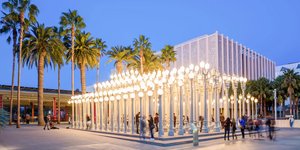 로스앤젤레스 카운티 미술관 |
로스앤젤레스 | 1 | Wild Duck Kōan |
 Museum of Zen Buddhist Culture |
세타가야 | 1 | Ink Drawing of Bu-dai |
이 페이지에 있는 Suiō Genro의 모든 원화는 1774년에 제작되었습니다. 가장 유명한 작품부터 차례대로 만나보세요.
연도를 선택하여 원작을 확인해 보세요.
Wild Duck Kōan (1774)
57세: Wild Duck Kōan은(는) 1774년 작품이며, Suiō Genro은(는) 1717년에 태어났습니다.
저희 카탈로그에는 Suiō Genro의 작품 2점이 있습니다.
대부분 로스앤젤레스 카운티 미술관 (로스앤젤레스) 및 Museum of Zen Buddhist Culture (세타가야)에 소장되어 있습니다. 위의 박물관 목록에서 전체 목록을 확인하실 수 있습니다.
Born in Tokyo in 1717, Suiō Genro’s life was inextricably linked to the profound currents of Japanese Zen Buddhism. His journey began not within a studio filled with pigments and brushes, but as a young monk at Shōinji Temple, an institution already steeped in artistic tradition. This early immersion proved pivotal, shaping his aesthetic sensibilities and ultimately defining his distinctive style. He inherited the mantle of abbot from Hakuin, a towering figure in Zen Buddhism and a renowned painter himself – a lineage that profoundly influenced Suiō Genro’s approach to art as a meditative practice.
Suiō Genro's artistic development unfolded within the framework of Shōinji Temple. He diligently studied under Hakuin, absorbing not only the technical skills of painting but also the core tenets of Zen philosophy. This wasn’t merely about replicating images; it was about capturing an essence, a fleeting moment of enlightenment reflected in the simplicity of form and line. His work is deeply rooted in *sabi*, the beauty of imperfection and transience – a concept central to Zen thought. The acceptance of age, decay, and change becomes a source of profound aesthetic appreciation.
Suiō Genro’s artistic signature lies in his masterful use of ink—a medium that perfectly embodies the spirit of Zen. His works are predominantly characterized by serene ink drawings and calligraphy, often depicting natural subjects like bamboo, flowers, and landscapes. He favored a minimalist approach, employing sparse brushstrokes to convey depth and emotion. The deliberate absence of excessive detail forces the viewer to engage with the work on a deeper level, inviting contemplation and introspection.
The technique he employed was rooted in *sumi-e*, traditional Japanese ink wash painting. He skillfully manipulated the viscosity of the ink, creating subtle gradations of tone through varying pressures and brush techniques. A key element is the use of ‘ma,’ or negative space – an equally important component as the inked areas themselves. This strategic deployment of emptiness allows the viewer’s eye to rest and contributes significantly to the overall sense of tranquility and balance. The 'Ink Drawing of Bu-dai' exemplifies this perfectly, showcasing a single bamboo stalk rendered with remarkable restraint and evocative power.
More than just beautiful images, Suiō Genro’s art serves as a visual representation of Zen Buddhist principles. His works are not intended to depict reality in its entirety but rather to capture the *koan* – paradoxical statements designed to provoke enlightenment through contemplation. The simplicity and directness of his style mirror the core tenets of Zen: emptiness, impermanence, and the importance of experiencing existence directly, without conceptual interference.
The subject matter itself often carries symbolic weight. Bamboo, for instance, is a recurring motif in Japanese art, representing resilience, strength, and flexibility – qualities highly valued within Zen Buddhism. Flowers, similarly, are seen as transient symbols of beauty and the fleeting nature of life. Through these carefully chosen subjects, Suiō Genro invites viewers to engage with profound philosophical ideas.
Suiō Genro’s contribution to Japanese art is significant not only for his individual style but also for his role in preserving and transmitting Zen aesthetics during the late 18th century. His work stands as a testament to the enduring power of art as a vehicle for spiritual exploration. While he may not be as widely celebrated as some of his contemporaries, his legacy lives on through the continued appreciation of his serene and contemplative works.
The ‘Ink Drawing of Bu-dai’ remains one of his most recognizable pieces, offering a window into the artist's mind and the profound philosophical principles that guided his creative practice. It is a work that continues to resonate with viewers today, inviting them to pause, reflect, and find their own connection to the timeless wisdom of Zen Buddhism.
