


1


11월 2026 업데이트 · 인기 점수 기준 순위 (각 작품의 검색, 방문 및 주문 수) · 15점의 Samuel Schwarz 작품 (당사 카탈로그 기준)
요약하자면
갤러리가 선정한 Samuel Schwarz의 가장 유명한 작품은 Harbor in Mallorca (1914)이며, 원작은 알크마르의 Stedelijk Museum에 전시되어 있습니다. A Farm in Bergen (1916)와 Mallorca (1914)가 더해져 누구나 한눈에 알아볼 수 있는 완벽한 트리오를 완성합니다. Samuel Schwarz의 작품 15점 중, 갤러리는 가장 유명한 6점을 아래와 같이 소개합니다. 각 작품은 제작 연도, 소장 미술관 및 작품의 특징을 포함한 독창적인 원작입니다.
이 페이지에 있는 작품을 가장 많이 소장하고 있는 2개의 미술관
| 소장 미술관 | 도시 | Samuel Schwarz의 작품 | 이 목록의 작품들 |
|---|---|---|---|
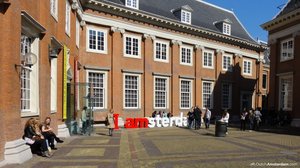 암스테르담 역사 박물관 |
암스테르담 | 4 | Mallorca, Dorpsstraat in the Sun, Still Life |
 Stedelijk Museum |
알크마르 | 2 | Harbor in Mallorca, A Farm in Bergen |
이 페이지에 표시된 Samuel Schwarz의 경력은 1912년부터 1925년까지 총 14년이며, 각 연도별 가장 유명한 원작들이 나열되어 있습니다.
연도를 선택하여 원작을 확인해 보세요.


Harbor in Mallorca (1914), Stedelijk Museum, 알크마르. 다음은 A Farm in Bergen (1916)와 Mallorca (1914)입니다.
38세: Harbor in Mallorca은(는) 1914년 작품이며, Samuel Schwarz은(는) 1876년에 태어났습니다.
저희 카탈로그에는 1912년부터 1925년 사이의 Samuel Schwarz 작가의 작품 15점이 수록되어 있습니다.
대부분 암스테르담 역사 박물관 (암스테르담) 및 Stedelijk Museum (알크마르)에 소장되어 있습니다. 위의 박물관 목록에서 전체 목록을 확인하실 수 있습니다.
1914 동안: 이 페이지의 총 6점의 작품 중 2점이 해당 시기에 제작되었으며, 그중 Harbor in Mallorca점입니다.
이 페이지에서 가장 오래된 작품은 Dorpsstraat in the Sun (1912)이며, 가장 최근 작품은 Still Life on a Set Table (1925)입니다.
Mallorca, Dorpsstraat in the Sun 및 Still Life: 암스테르담 역사 박물관, 암스테르담은(는) 이 페이지에 있는 작품 중 4점을 소장하고 있습니다.
Born in Zutphen, Netherlands, Samuel Leser Schwarz lived through a period of profound transformation in the European landscape. Known to many by the name Mommie Schwarz, he moved through the early twentieth century with a spirit that embraced the shifting boundaries of modern expression. His path was not one of quiet tradition, but rather an engagement with the bold, experimental currents of his era.
His existence spanned the turn of the century into the dark years of the 1940s, a time when the very foundations of society were being reshaped by conflict. As a painter and graphic artist, he sought to capture the essence of a changing world through the lens of new movements. His work reflects the tension between the seen and the felt.
In his studio, Schwarz found a way to communicate through the raw energy of the Avant-garde and Expressionism. He did not merely record scenes; he interpreted them. One might look at his oil on canvas works, such as Dorpsstraat in de zon from 1912, to see how he handled light and atmosphere. The brushstrokes carry a weight that speaks of the artist's internal response to the subject matter.
His technical approach allowed for a certain fluidity of thought. By working within the realms of both painting and graphic arts, he explored different textures and depths. This versatility helped him navigate the complex artistic dialogues of the early 1900s.
Though his life reached its end in Germany in 1942, the traces of his vision remain held within significant collections. His contributions to the visual record are found in places such as the Jewish Museum in the Netherlands, where pieces of his history are kept safe from the passage of time.
The importance of his work lies in its connection to the broader movements of his age. He remains a figure whose hand helped shape the experimental spirit of the early twentieth century, leaving behind works that continue to be studied for their unique perspective on the world around him.
