1


11월 2026 업데이트 · 인기 점수 기준 순위 (각 작품의 검색, 방문 및 주문 수) · 20점의 Reginald Grange Brundrit 작품 (당사 카탈로그 기준)
요약하자면
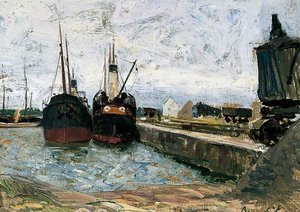
갤러리가 선정한 Reginald Grange Brundrit의 가장 유명한 작품은 Miss Dorothy Counsell (1887–1978), Principal of Whitelands College (1950)이며, 원작은 London의 Whitelands College에 전시되어 있습니다. The River (1924)와 Ribblesdale (1929)가 더해져 누구나 한눈에 알아볼 수 있는 완벽한 트리오를 완성합니다. Reginald Grange Brundrit의 작품 20점 중, 갤러리는 가장 유명한 19점을 아래와 같이 소개합니다. 각 작품은 제작 연도, 소장 미술관 및 작품의 특징을 포함한 독창적인 원작입니다.


이 오리지널 작품들에서 가장 자주 등장하는 네 가지 주제와 그 정수를 보여주는 대표작들.
이 페이지에 있는 작품을 가장 많이 소장하고 있는 7개의 미술관
| 소장 미술관 | 도시 | Reginald Grange Brundrit의 작품 | 이 목록의 작품들 |
|---|---|---|---|
 Whitelands College |
London | 1 | Miss Dorothy Counsell (1887–1978), Principal of Whitelands College |
 Grundy Art Gallery |
블랙풀 | 1 | Ribblesdale |
 Guildhall Art Gallery |
런던 | 1 | Walter R. Owen |
 더 헤프워스 웨이크필드 |
웨이크필드 | 1 | Landscape |
 The National Trust For Scotland |
포레스 | 1 | Stainforth, A Ribblesdale Farm |
 Leeds Art Gallery |
리즈 | 1 | The Vale of Eden |
 Towneley Hall Art Gallery - Museum |
Burnley | 1 | The Wooded Vale |
그 시대를 정의하는 오리지널 작품을 만나보려면 연대를 선택하세요.
Miss Dorothy Counsell (1887–1978), Principal of Whitelands College (1950), Whitelands College, London. 다음은 The River (1924)와 Ribblesdale (1929)입니다.
67세: Miss Dorothy Counsell (1887–1978), Principal of Whitelands College은(는) 1950년 작품이며, Reginald Grange Brundrit은(는) 1883년에 태어났습니다.
Miss Dorothy Counsell (1887–1978), Principal of Whitelands College, The River, Ribblesdale, English Landscape, Nutwith Common, Masham, Below the Sluice, Nightfall, Grassington Bridge, Above the Falls 및 Walter R. Owen. 위 순위는 각 작품의 제작 연도와 소장 박물관을 나타냅니다.
저희 카탈로그에는 1924년부터 1950년 사이의 Reginald Grange Brundrit 작가의 작품 20점이 수록되어 있습니다.
대부분 Whitelands College (London), Grundy Art Gallery (블랙풀) 및 Guildhall Art Gallery (런던)에 소장되어 있습니다. 위의 박물관 목록에서 전체 목록을 확인하실 수 있습니다.
1940s 동안: 이 페이지의 총 19점의 작품 중 6점이 해당 시기에 제작되었으며, 그중 Nutwith Common, Masham점입니다.
이 페이지에서 가장 오래된 작품은 The River (1924)이며, 가장 최근 작품은 Miss Dorothy Counsell (1887–1978), Principal of Whitelands College (1950)입니다.
이 페이지의 19점의 작품에 걸쳐 있는 British art (2), Rural landscape (2) 및 English countryside (2)
이 페이지의 원작들을 기준으로 볼 때, Impressionism
Reginald Grange Brundrit (1883-1960) remains a profound, if understated, voice in the history of British watercolor and oil painting. Born in the historic city of Oxford, his artistic sensibilities were deeply rooted in the very soil he would later immortalize on canvas. His early life was marked by an intense fascination with botany and geology, disciplines that provided him with a scientific eye for detail and a deep respect for the structural beauty of the natural world. This foundational interest in the earth's textures and organic forms would eventually manifest as a hallmark of his mature style, where every leaf and stone is rendered with both precision and poetic grace.
His formal education at Whitelands College, Oxford, served as the crucible for his technical development. Under the guidance of influential tutors, Brundrit mastered the delicate nuances of tonal subtlety and light manipulation. It was during these formative years that he cultivated a collaborative spirit, studying alongside contemporaries such as Bertram Wooster Smith. This period of academic rigor instilled in him a lifelong commitment to observation, teaching him that true artistry lies not in the exaggeration of a scene, but in the faithful capture of its atmospheric essence.
Brundrit’s body of work is a love letter to the English countryside, specifically the rolling landscapes of Oxfordshire and Gloucestershire. Eschewing the dramatic, sweeping vistas often found in Romanticism, he instead turned his gaze toward the intimate and the quiet. His paintings frequently focus on the subtle transitions of light across meadows bathed in golden sunlight or the mysterious, heavy mists that shroud wooded valleys. Through a masterful use of color, he was able to convey the fleeting sensations of weather and time, creating works that feel both immediate and timeless.
His technique often bridged the gap between meticulous realism and the soft, emotive qualities of Impressionism. In his landscapes, one can observe:
Whether working in the transparent, fluid medium of watercolor or the rich, layered textures of oil on canvas, Brundrit maintained a consistent devotion to the "quiet beauty" of his subjects. His ability to render Rothbury on the Severn with such atmospheric weight allowed viewers to experience the tranquility of the English landscape as if they were standing within it.
Beyond his celebrated landscapes, Brundrit’s artistic range extended into portraiture, where he demonstrated a remarkable capacity for psychological depth. His portraits, much like his landscapes, avoided the theatrical in favor of a sincere, observational truth. This ability to capture the essence of a subject—be it a person or a patch of woodland—is what secures his place in the canon of early 20th-century British art.
The historical significance of Reginald Grange Brundrit lies in his role as a custodian of the English pastoral tradition. At a time when the world was undergoing rapid industrial and social change, his work provided a sanctuary of stability and natural grace. He did not seek to reinvent the landscape through abstraction, but rather to deepen our appreciation for its existing splendor. Today, his works held in esteemed collections such as the Leeds Art Gallery and Towneley Hall Art Gallery continue to invite contemplation, reminding us of the enduring power of the quiet, observed moment.