1

11월 2026 업데이트 · 인기 점수 기준 순위 (각 작품의 검색, 방문 및 주문 수) · 7점의 Ralph Stubbs 작품 (당사 카탈로그 기준)
요약하자면
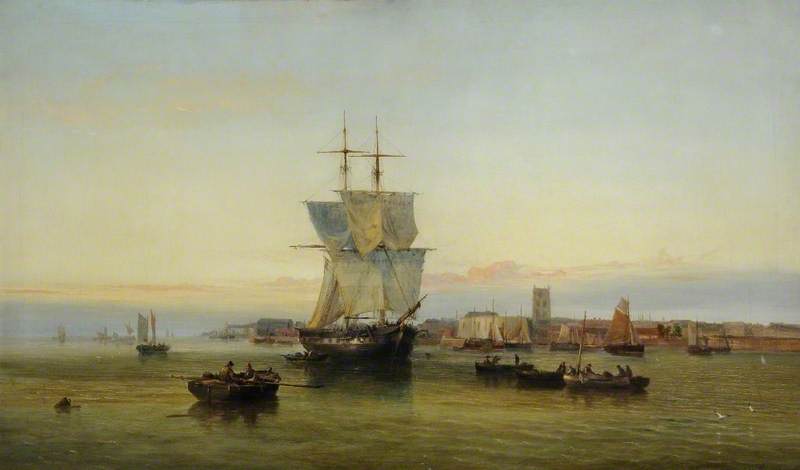
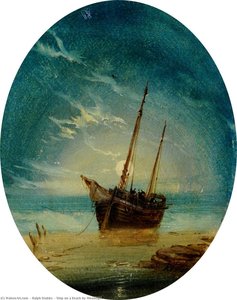
Ship on a Beach by Moonlight (1842)은(는) Ralph Stubbs의 작품 중 가장 많은 시선을 사로잡는 회화이며, 원작은 헐에 위치한 Ferens Art Gallery에 소장되어 있습니다. 그다음 시선은 After the Storm (1863)와 Sailing Ship on a Beach (1866)로 향합니다. 우리 카탈로그에 수록된 Ralph Stubbs의 작품 7점 중, 가장 유명한 7점을 소개합니다. 각 작품은 제작 연도, 소장 박물관, 그리고 시대를 초월해 사랑받는 이유와 함께 독창적인 원작으로 제시됩니다.
이 페이지에 있는 작품을 가장 많이 소장하고 있는 3개의 미술관
| 소장 미술관 | 도시 | Ralph Stubbs의 작품 | 이 목록의 작품들 |
|---|---|---|---|
 Ferens Art Gallery |
헐 | 3 | Ship on a Beach by Moonlight, Sailing Ship on a Beach, Marine |
 Reading Museum - Town Hall |
Reading | 1 | After the Storm |
 더 헤프워스 웨이크필드 |
웨이크필드 | 1 | Lake Landscape |
그 시대를 정의하는 오리지널 작품을 만나보려면 연대를 선택하세요.


Ship on a Beach by Moonlight (1842), Ferens Art Gallery, 헐. 다음은 After the Storm (1863)와 Sailing Ship on a Beach (1866)입니다.
18세: Ship on a Beach by Moonlight은(는) 1842년 작품이며, Ralph Stubbs은(는) 1824년에 태어났습니다.
저희 카탈로그에는 1842년부터 1879년 사이의 Ralph Stubbs 작가의 작품 7점이 수록되어 있습니다.
대부분 Ferens Art Gallery (헐), Reading Museum - Town Hall (Reading) 및 더 헤프워스 웨이크필드 (웨이크필드)에 소장되어 있습니다. 위의 박물관 목록에서 전체 목록을 확인하실 수 있습니다.
1860s 동안: 이 페이지의 총 7점의 작품 중 4점이 해당 시기에 제작되었으며, 그중 After the Storm점입니다.
이 페이지에서 가장 오래된 작품은 Ship on a Beach by Moonlight (1842)이며, 가장 최근 작품은 Lake Landscape (1879)입니다.
Ship on a Beach by Moonlight, Sailing Ship on a Beach 및 Marine: Ferens Art Gallery, 헐은(는) 이 페이지에 있는 작품 중 3점을 소장하고 있습니다.
The rugged beauty of the North Sea coastline, a realm of relentless winds and dramatic skies, has long captivated artists. Few have captured its essence with such poignant realism and emotional depth as Ralph Stubbs (1824-1879), a British marine painter whose legacy endures through his evocative depictions of coastal life, ships battling the elements, and the ever-changing moods of the sea. Born in Whitby, Yorkshire, a town inextricably linked to maritime history and legend, Stubbs’s artistic journey was shaped by both its tangible realities and the powerful folklore that permeated its atmosphere.
Stubbs' early life was steeped in the traditions of the fishing industry. His father, also a marine artist, instilled in him a deep respect for the sea and an understanding of its unforgiving nature. This practical knowledge, combined with a keen observational eye, formed the bedrock of his artistic practice. Unlike many artists of his time who relied on idealized representations, Stubbs meticulously rendered every detail – the weathered faces of fishermen, the splintered timbers of battered vessels, the churning foam of crashing waves – conveying not just what he saw but also the palpable sense of struggle and resilience inherent in coastal existence.
Stubbs’s artistic development can be traced through a progression of stylistic choices. Initially influenced by the Romantic tradition, particularly the dramatic landscapes of Turner, his early works exhibited a certain theatricality and emphasis on atmospheric effects. However, as he matured, Stubbs moved towards a more restrained and observational approach. He began to prioritize accuracy in depicting the physical details of ships and harbors, meticulously studying their construction and rigging. This shift is most evident in his later paintings, such as “After the Storm,” a monumental canvas that captures the aftermath of a violent gale with breathtaking power and precision.
A key element of Stubbs’s style was his masterful use of light and shadow. He expertly employed chiaroscuro – the dramatic contrast between light and dark – to create a sense of depth, volume, and movement within his compositions. His brushwork, often loose and expressive, conveyed the texture of weathered wood, damp stone, and turbulent water. He wasn’t simply painting scenes; he was conveying an experience, a feeling of being present in that harsh but beautiful environment.
Stubbs' oeuvre is dominated by maritime subjects – fishing boats battling against towering waves, the silhouettes of ships against a fiery sunset, and the quiet solitude of harbors at dusk. He frequently depicted scenes from Whitby’s bustling harbor, capturing the daily rhythms of its fishermen and merchants. Beyond these immediate depictions of coastal life, Stubbs also explored themes of isolation, loss, and the enduring connection between humanity and the sea. His paintings often evoke a sense of melancholy and contemplation, reflecting the inherent vulnerability of those who depend on the ocean’s bounty.
His most famous work, “After the Storm,” exemplifies this thematic depth. The painting isn't merely a record of a natural event; it’s an exploration of its aftermath – the wreckage strewn across the beach, the exhausted figures of the fishermen, and the lingering sense of both devastation and renewal. It speaks to the cyclical nature of life and the enduring spirit of those who face adversity with stoic determination.
Despite his considerable talent, Stubbs’s recognition during his lifetime was limited. He struggled financially throughout much of his career, often relying on commissions for portraits and smaller works to supplement his income. However, his paintings gradually gained appreciation in the decades following his death, establishing him as a significant figure in British marine art. Today, Ralph Stubbs is celebrated as one of the foremost artists who captured the spirit of the North Sea coast – a testament to his skill, observation, and profound understanding of the human condition.
His work continues to resonate with viewers today, offering a powerful reminder of the enduring relationship between humanity and the sea, and the beauty and brutality that coexist within its vast expanse. The National Gallery holds several important examples of his work, ensuring that this master of the Northern Seas will continue to inspire and captivate generations to come.