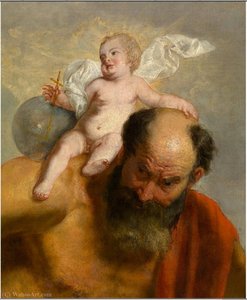
Pieter van Lint의 초상화

세상에 단 하나뿐인, 가장 유명한 Pieter van Lint 작품 29선

11월 2026 업데이트 · 인기 점수 기준 순위 (각 작품의 검색, 방문 및 주문 수) · 30점의 Pieter van Lint 작품 (당사 카탈로그 기준)

요약하자면

The Miracle of Saint John of Capestrano (1650)은(는) Pieter van Lint의 작품 중 가장 많은 시선을 사로잡는 회화이며, 원작은 안트베르펜에 위치한 안트베르펜 왕립 미술관에 소장되어 있습니다. 그다음 시선은 Repentant Sinners in front of the Virgin and Child (1630)와 The Adoration of the Magi (1630)로 향합니다. 우리 카탈로그에 수록된 Pieter van Lint의 작품 30점 중, 가장 유명한 29점을 소개합니다. 각 작품은 제작 연도, 소장 박물관, 그리고 시대를 초월해 사랑받는 이유와 함께 독창적인 원작으로 제시됩니다.

1609 – 1690, Antwerp Baroque 최다 소장처: 안트베르펜 왕립 미술관

갤러리의 시선으로 선정한 Pieter van Lint의 명작 Top 10

3
The Adoration of the Magi (1630) 의 Pieter van Lint

The Adoration of the Magi

1630 · Oil

In this 1630 oil painting, we find ourselves drawn into a crowded, intimate scene within a rustic stable. The composition is dense, pulling the viewer toward the focal point where the Holy Family resides. On the right, the Virgin Mary, Joseph, and the infant Jesus form a quiet nucleus amidst a swirling retinue of figures. The lighting is deliberate, employing a strong chiaroscuro that pulls the infant Christ and the…

4
Portrait of an unknown man (1645) 의 Pieter van Lint

Portrait of an unknown man

1645

A man emerges from a void of deep, impenetrable darkness, his presence felt through the sudden, sharp clarity of light hitting his features. He sits in a quiet, heavy stillness, his gaze fixed on something just beyond the viewer's shoulder. The light, streaming from the upper left, carves his face out of the gloom, casting the right side of his visage into a profound shadow. Every line etched into his…

5
Crucifixion of Christ (1649) 의 Pieter van Lint

Crucifixion of Christ

The Crucifixion of Christ is an oil painting by the Flemish artist Pieter van Lint. Born in 1609 in Antwerp, Belgium, Van Lint developed his technical skills within the artistic traditions of the 17th century. This specific work was created about 1649, during a period when the artist was active in the artistic landscape of Antwerp.

6
Entry of Christ into Jerusalem (1649) 의 Pieter van Lint

Entry of Christ into Jerusalem

In this work, titled Entry of Christ into Jerusalem, Pieter van Lint captures a significant moment from the biblical narrative. Painted about 1649, the scene focuses on the arrival of Christ in the city. He is positioned atop a donkey, moving through a dense and active crowd that gathers to witness the event. The atmosphere is one of intense celebration and reverence, as onlookers react to his presence with various…

7
Bacchus, Ceres, Proserpina and Pluto (1650) 의 Pieter van Lint

Bacchus, Ceres, Proserpina and Pluto

1650 · Oil

In the lush, wooded setting of this oil painting, the deities Bacchus, Ceres, Proserpina and Pluto gather amidst a dense thicket of greenery. The scene captures a moment of divine interaction, where the figures move through a landscape of deep shadows and dappled light. Bacchus, draped in a red cloak, holds a golden chalice aloft, while Proserpina reaches toward the vessel. Nearby, Ceres reacts to the unfolding drama, her pink…

8
At the Watering Hole (1650) 의 Pieter van Lint

At the Watering Hole

1650 · Oil · 안트베르펜 왕립 미술관, 안트베르펜

A dense cluster of figures occupies the right and center foreground of this oil painting, set against a landscape of distant, hazy mountains and a cloudy sky. The composition is heavy, with a large group of people gathered in a way that creates a sense of monumental scale. To the left, a vertical halberd cuts through the space, while the diagonal arrangement of reclining figures directs the eye across the…

9
Artemisia with the ashes of king Mausolus (1650) 의 Pieter van Lint

Artemisia with the ashes of king Mausolus

1650 · Oil On Panel

Artemisia with the ashes of king Mausolus is an oil painting by the Flemish artist Pieter van Lint. Born in Antwerp in 1609, Van Lint established himself as a versatile practitioner of the Baroque era, working as a painter, draughtsman, and designer of tapestries. His technical training and subsequent travels allowed him to navigate various stylistic demands throughout the seventeenth century.

10
Adoration of the Shepherds (1650) 의 Pieter van Lint

Adoration of the Shepherds

1650 · Oil · 세비야 미술관, 세비야

In this large-scale Baroque oil painting, Adoration of the Shepherds by Pieter van Lint presents a profound moment of quiet reverence. Created about 1650, the work captures the biblical scene of the Nativity through a crowded and dynamic composition. At the heart of the scene lies the infant Jesus in a manger, serving as the focal point for the surrounding figures. Mary and Joseph are positioned closely to the child,…

Pieter van Lint의 유명 작품, 11~29번

Pieter van Lint의 시선을 사로잡은 주제들

이 오리지널 작품들에서 가장 자주 등장하는 네 가지 주제와 그 정수를 보여주는 대표작들.

Pieter van Lint의 원작을 소장하고 있는 미술관

이 페이지에 있는 작품을 가장 많이 소장하고 있는 8개의 미술관

소장 미술관 도시 Pieter van Lint의 작품 이 목록의 작품들
안트베르펜 왕립 미술관, 안트베르펜안트베르펜 왕립 미술관 안트베르펜 6 The Miracle of Saint John of Capestrano, At the Watering Hole, A Franciscan Saint
에르미타주 박물관, 상트페테르부르크에르미타주 박물관 상트페테르부르크 2 Repentant Sinners in front of the Virgin and Child, Jephthae's Daughter
바이에른 주립 회화 컬렉션, 뮌헨바이에른 주립 회화 컬렉션 뮌헨 2 Crucifixion of Christ, Entry of Christ into Jerusalem
부다페스트 미술관, 부다페스트부다페스트 미술관 부다페스트 2 Portrait of a Man, Silvio and Dorinda
세비야 미술관, 세비야세비야 미술관 세비야 1 Adoration of the Shepherds
빈 미술사 박물관, 빈빈 미술사 박물관 빈 1 Christ healing the lame at the pool of Bethesda
프라도 미술관, 마드리드프라도 미술관 마드리드 1 Triumph of Love
Statens Museum For Kunst, 코펜하겐Statens Museum For Kunst 코펜하겐 1 The Adoration of the Shepherds

수십 년에 걸친 Pieter van Lint의 작품: 각 시대의 유일무이한 원화

연대별 작품 수

그 시대를 정의하는 오리지널 작품을 만나보려면 연대를 선택하세요.

Pieter van Lint의 작품: 갤러리에 문의하기

Pieter van Lint의 가장 대표적인 작품은 무엇인가요?정답 확인하기

The Miracle of Saint John of Capestrano (1650), 안트베르펜 왕립 미술관, 안트베르펜. 다음은 Repentant Sinners in front of the Virgin and Child (1630)와 The Adoration of the Magi (1630)입니다.

Pieter van Lint 작가는 몇 세에 The Miracle of Saint John of Capestrano을(를) 제작했을까요?정답 확인하기

41세: The Miracle of Saint John of Capestrano은(는) 1650년 작품이며, Pieter van Lint은(는) 1609년에 태어났습니다.

Pieter van Lint의 작품 중 가장 유명한 10가지 명작은 무엇인가요?정답 확인하기

The Miracle of Saint John of Capestrano, Repentant Sinners in front of the Virgin and Child, The Adoration of the Magi, Portrait of an unknown man, Crucifixion of Christ, Entry of Christ into Jerusalem, Bacchus, Ceres, Proserpina and Pluto, At the Watering Hole, Artemisia with the ashes of king Mausolus 및 Adoration of the Shepherds. 위 순위는 각 작품의 제작 연도와 소장 박물관을 나타냅니다.

Pieter van Lint의 작품은 몇 점인가요?정답 확인하기

저희 카탈로그에는 1630년부터 1670년 사이의 Pieter van Lint 작가의 작품 30점이 수록되어 있습니다.

가장 유명한 Pieter van Lint의 원작은 어디에서 볼 수 있나요?정답 확인하기

대부분 안트베르펜 왕립 미술관 (안트베르펜), 에르미타주 박물관 (상트페테르부르크) 및 바이에른 주립 회화 컬렉션 (뮌헨)에 소장되어 있습니다. 위의 박물관 목록에서 전체 목록을 확인하실 수 있습니다.

Pieter van Lint의 가장 유명한 작품들은 어느 시기에 제작되었나요?정답 확인하기

1640s 동안: 이 페이지의 총 29점의 작품 중 5점이 해당 시기에 제작되었으며, 그중 Portrait of an unknown man점입니다.

Pieter van Lint의 유명 작품 중 가장 먼저 그려진 작품과 가장 나중에 그려진 작품은 무엇인가요?정답 확인하기

이 페이지에서 가장 오래된 작품은 Repentant Sinners in front of the Virgin and Child (1630)이며, 가장 최근 작품은 The Circumcision of Christ (1670)입니다.

Pieter van Lint 작가는 어떤 주제를 주로 다루었나요?정답 확인하기

이 페이지의 29점의 작품에 걸쳐 있는 People (7), Woman (7) 및 Man (7)

Pieter van Lint 작가가 가장 많이 사용한 재료는 무엇인가요?정답 확인하기

이 페이지의 총 29점의 작품 중 7점의 Oil On Canvas

Pieter van Lint의 작품은 어떤 미술 사조에 속하나요?정답 확인하기

이 페이지의 원작들을 기준으로 볼 때, Baroque

안트베르펜 왕립 미술관에서 어떤 Pieter van Lint의 원화를 볼 수 있나요?정답 확인하기

The Miracle of Saint John of Capestrano, At the Watering Hole 및 A Franciscan Saint: 안트베르펜 왕립 미술관, 안트베르펜은(는) 이 페이지에 있는 작품 중 6점을 소장하고 있습니다.

Pieter van Lint: 작가의 초상화

Pieter van Lint: A Flemish Master Bridging Antiquity and Baroque

Pieter van Lint (1609-1690), a name perhaps less familiar than his contemporaries Rubens or Van Dyck, nevertheless stands as a significant figure in the vibrant artistic landscape of 17th-century Antwerp. Born into a family deeply rooted in the art world – his father, Hendrik Frans van Lint, was a celebrated vedute painter in Rome – Pieter inherited not only a legacy but also a profound understanding of artistic technique and a restless spirit for exploration. His career spanned decades, encompassing diverse styles and commissions, reflecting a remarkable adaptability and a constant engagement with the prevailing trends of his time.

Van Lint’s early training under Artus Wolffort in Antwerp laid the foundation for his skill in historical painting and portraiture. Crucially, however, his formative years were spent immersed in the artistic traditions of the Flemish Baroque, particularly through frequent visits to the city's churches. These pilgrimages weren’t merely acts of devotion; they served as invaluable apprenticeships, allowing him to meticulously copy the works of masters like Peter Paul Rubens, Marten de Vos, and the Francken brothers – absorbing their compositional strategies, color palettes, and masterful rendering of texture. This deliberate study of his predecessors is evident in many of his early works, which demonstrate a clear debt to Wolffort’s academic style, itself influenced by Otto van Veen's classical approach.

Roman Influences and the Pursuit of Classicism

In 1633, Van Lint achieved the coveted status of master in the Guild of Saint Luke, marking his transition into independent practice. Shortly thereafter, he embarked on a transformative journey to Rome – a period that fundamentally shaped his artistic development. Unlike many Flemish artists who simply replicated Italian styles, Van Lint embraced the Roman environment with an open mind, actively seeking out and studying the legacy of antiquity. He meticulously sketched ancient sculptures and architectural ruins, absorbing the principles of classical form and composition. This engagement with the antique is powerfully evident in his later works, particularly those produced during his time in Rome (1633-1640), where he developed a distinct style characterized by clear outlines, balanced compositions, and an interest in idealized beauty.

His work for Cardinal Domenico Ginnasi, Bishop of Ostia, exemplifies this shift. He frescoed the Cybo family chapel in the Santa Maria del Popolo with the legend of the True Cross – a monumental undertaking that showcased his burgeoning skills in large-scale painting and his growing command of classical motifs. This period also witnessed him experimenting with the *bamboccianti* genre, producing small, lively scenes depicting everyday life, reflecting a desire to capture human emotion and interaction.

A Master of Copies and Diverse Commissions

Van Lint’s career was marked by a remarkable versatility, encompassing religious paintings, historical narratives, portraits, and even tapestry designs. He skillfully navigated the demands of various patrons, from wealthy families like the Cibos to the Antwerp art trade network. A significant portion of his output consisted of meticulously executed copies of Peter Paul Rubens' oil sketches – a lucrative business that allowed him to refine his technique and gain further insight into the master’s methods. These copies, often produced on copper, were highly prized in Spain and the Spanish colonies for their durability and lustrous finish.

Beyond these commissioned works, Van Lint created numerous devotional paintings, frequently depicting scenes from the life of Mary Magdalene – a subject that resonated deeply with his artistic sensibilities. His ‘Marriage of the Virgin’ (1640), painted in Antwerp Cathedral, is a prime example of this style, showcasing his ability to imbue religious subjects with a sense of drama and emotional intensity. He also designed tapestries for prominent weavers, demonstrating his broader creative talents.

Legacy and Artistic Connections

Van Lint’s influence extended beyond his own creations. He mentored several promising artists, including Caerel de las Cuevas, Jan-Baptista Ferrari, and Godfried Maes, ensuring the continuation of his artistic lineage. His son, Hendrik Frans van Lint, followed in his father's footsteps, establishing himself as a celebrated landscape painter in Rome – further demonstrating the family’s commitment to artistic excellence.

While Pieter van Lint may not be as widely recognized as some of his contemporaries, his work represents a crucial link between the Flemish Baroque and the burgeoning classical influences of the 17th century. His ability to synthesize diverse styles—from the academic traditions of Wolffort to the dynamism of the *bamboccianti* and the ideals of antiquity—solidifies his position as a significant and enduring figure in the history of Antwerp art.