모리츠 네어의 초상화

세상에 단 하나뿐인, 가장 유명한 모리츠 네어 작품 12선

11월 2026 업데이트 · 인기 점수 기준 순위 (각 작품의 검색, 방문 및 주문 수) · 12점의 모리츠 네어 작품 (당사 카탈로그 기준)

요약하자면

The left side hall with the Beethoven frieze by Gustav Klimt during the 14th exhibition of the Vienna Secession (1902)은(는) 모리츠 네어의 작품 중 가장 많은 시선을 사로잡는 회화이며, 원작은 비엔나에 위치한 오스트리아 국립도서관에 소장되어 있습니다. 그다음 시선은 Gustav Klimt (1905)와 Gustav Klimt on Lake Attersee (1904)로 향합니다. 우리 카탈로그에 수록된 모리츠 네어의 작품 12점 중, 가장 유명한 12점을 소개합니다. 각 작품은 제작 연도, 소장 박물관, 그리고 시대를 초월해 사랑받는 이유와 함께 독창적인 원작으로 제시됩니다.

1859 – 1945, 비엔나 Vienna secession 최다 소장처: Wien Museum

갤러리의 시선으로 선정한 모리츠 네어의 명작 Top 10

1
The left side hall with the Beethoven frieze by Gustav Klimt during the 14th exhibition of the Vienna Secession (1902) 의 모리츠 네어

The left side hall with the Beethoven frieze by Gustav Klimt during the 14th exhibition of the Vienna Secession

1902 · Giclée Print · 오스트리아 국립도서관, 비엔나

Moritz Nähr’s photograph offers an extraordinary glimpse into Gustav Klimt’s monumental painting, “The Left Side Hall with the Beethoven Frieze,” a key work from the 14th exhibition of the Vienna Secession in 1902. More than just a documentation of a single artwork, this image is a frozen moment within a pivotal chapter of Viennese art history – a time when artistic rebellion and intellectual exploration converged to reshape European culture.…

2
Gustav Klimt (1905) 의 모리츠 네어

Gustav Klimt

1905 · Gelatin Silver Print

This photographic reproduction captures a moment from a painting by Gustav Klimt. The lens belongs to Moritz Nähr, an Austrian photographer who documented the shifting spirit of Vienna. His camera turned toward the intimate, translating the painter's vision into a monochrome study of light and shadow. The image is dated about 1905.

3
Gustav Klimt on Lake Attersee (1904) 의 모리츠 네어

Gustav Klimt on Lake Attersee

1904 · Black and White Photography

This black and white photograph presents a profile view of Gustav Klimt. The subject is positioned in the center of the frame, facing toward the left. He wears a dark suit with a visible fabric weave that catches the light. The lighting is soft and diffused, casting subtle shadows across his facial features and the structure of his clothing. Behind him, the background consists of foliage and trees, rendered in…

4
Gustav Mahler (1907) 의 모리츠 네어

Gustav Mahler

1907 · Black and White Photography

The photograph presents a medium shot of Gustav Mahler, captured in 1907 by Moritz Nähr. He is positioned from the waist up, standing against an architectural backdrop characterized by ornate molding and a fireplace mantelpiece. Mahler's posture is upright, with his hands placed on his hips, and his gaze is directed toward his right side. The lighting is diffused, creating an even tone across his facial features without producing harsh…

6
Gustav Klimt, holding a cat in his arm (1911) 의 모리츠 네어

Gustav Klimt, holding a cat in his arm

1911 · Black and White Photography · Wien Museum, 비엔나

This black and white photograph, captured in 1911, presents a centered composition of an elderly man holding a small animal. The subject is positioned against a building facade that provides a structured, rectangular backdrop to the organic forms of the figure. Soft, diffused lighting defines the contours of the man's face and the heavy folds of his robe, creating subtle shadows across the texture of his skin. The image possesses…

7
Gustav Klimt at the age of 55 in front of his studio at Feldmühlgasse 11 in Vienna (1917) 의 모리츠 네어

Gustav Klimt at the age of 55 in front of his studio at Feldmühlgasse 11 in Vienna

1917 · Black and White Photography

The photograph, captured in 1917 by Moritz Nähr, presents a formal portrait of Gustav Klimt. He is positioned in the center of the frame, facing the camera directly. The subject is dressed in a dark, three-piece suit featuring thin pinstripes. His posture is relaxed; he leans against a wall, with his right hand resting near his jacket. The lighting is natural and diffused, casting soft shadows across his facial features,…

8
Ludwig Wittgenstein (1929) 의 모리츠 네어

Ludwig Wittgenstein

1929 · Black and White Photography

This black and white portrait photograph by Moritz Nähr features the Austro-British philosopher Ludwig Wittgenstein. Captured in 1929, the image presents a frontal view of the subject. The composition centers on the man's face, which occupies a significant portion of the frame. The subject maintains a serious expression directed toward the lens.

모리츠 네어의 유명 작품, 11~12번

모리츠 네어의 시선을 사로잡은 주제들

이 오리지널 작품들에서 가장 자주 등장하는 네 가지 주제와 그 정수를 보여주는 대표작들.

모리츠 네어의 원작을 소장하고 있는 미술관

이 페이지에 있는 작품을 가장 많이 소장하고 있는 3개의 미술관

소장 미술관 도시 모리츠 네어의 작품 이 목록의 작품들
Wien Museum, 비엔나Wien Museum 비엔나 3 Gustav Klimt, holding a cat in his arm, Gustav Klimt in the garden of his\nstudio, Portrait of Gustav Klimt in profile\nfacing right
오스트리아 국립도서관, 비엔나오스트리아 국립도서관 비엔나 1 The left side hall with the Beethoven frieze by Gustav Klimt during the 14th exhibition of the Vienna Secession
스미소니언 미국 미술관, 워싱턴 D.C.스미소니언 미국 미술관 워싱턴 D.C. 1 Gustav Klimt with a cat, photographed by Moriz Nähr in the garden of his studio at Josefstädter Straße 21\n\nFront

수십 년에 걸친 모리츠 네어의 작품: 각 시대의 유일무이한 원화

연대별 작품 수

그 시대를 정의하는 오리지널 작품을 만나보려면 연대를 선택하세요.

모리츠 네어의 작품: 갤러리에 문의하기

모리츠 네어의 가장 대표적인 작품은 무엇인가요?정답 확인하기

The left side hall with the Beethoven frieze by Gustav Klimt during the 14th exhibition of the Vienna Secession (1902), 오스트리아 국립도서관, 비엔나. 다음은 Gustav Klimt (1905)와 Gustav Klimt on Lake Attersee (1904)입니다.

모리츠 네어 작가는 몇 세에 The left side hall with the Beethoven frieze by Gustav Klimt during the 14th exhibition of the Vienna Secession을(를) 제작했을까요?정답 확인하기

43세: The left side hall with the Beethoven frieze by Gustav Klimt during the 14th exhibition of the Vienna Secession은(는) 1902년 작품이며, 모리츠 네어은(는) 1859년에 태어났습니다.

모리츠 네어의 작품 중 가장 유명한 10가지 명작은 무엇인가요?정답 확인하기

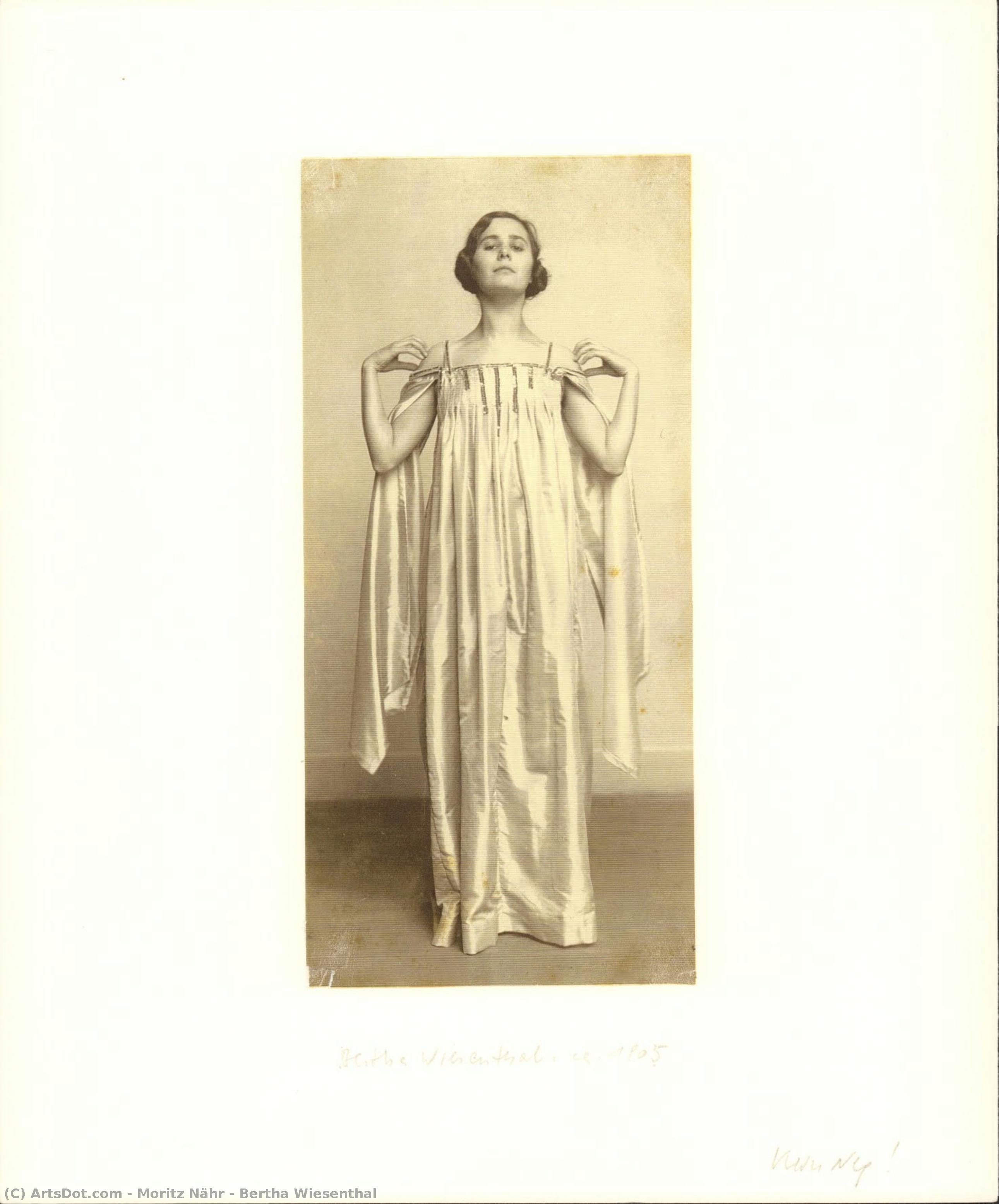
The left side hall with the Beethoven frieze by Gustav Klimt during the 14th exhibition of the Vienna Secession, Gustav Klimt, Gustav Klimt on Lake Attersee, Gustav Mahler, Gustav Klimt with a cat in the garden of his studio at Josefstädter Straße 21, Gustav Klimt, holding a cat in his arm, Gustav Klimt at the age of 55 in front of his studio at Feldmühlgasse 11 in Vienna, Ludwig Wittgenstein, Bertha Wiesenthal 및 Gustav Klimt with a cat, photographed by Moriz Nähr in the garden of his studio at Josefstädter Straße 21\n\nFront. 위 순위는 각 작품의 제작 연도와 소장 박물관을 나타냅니다.

모리츠 네어의 작품은 몇 점인가요?정답 확인하기

저희 카탈로그에는 1902년부터 1929년 사이의 모리츠 네어 작가의 작품 12점이 수록되어 있습니다.

가장 유명한 모리츠 네어의 원작은 어디에서 볼 수 있나요?정답 확인하기

대부분 Wien Museum (비엔나), 오스트리아 국립도서관 (비엔나) 및 스미소니언 미국 미술관 (워싱턴 D.C.)에 소장되어 있습니다. 위의 박물관 목록에서 전체 목록을 확인하실 수 있습니다.

모리츠 네어의 가장 유명한 작품들은 어느 시기에 제작되었나요?정답 확인하기

1910s 동안: 이 페이지의 총 12점의 작품 중 6점이 해당 시기에 제작되었으며, 그중 Gustav Klimt with a cat in the garden of his studio at Josefstädter Straße 21점입니다.

모리츠 네어의 유명 작품 중 가장 먼저 그려진 작품과 가장 나중에 그려진 작품은 무엇인가요?정답 확인하기

이 페이지에서 가장 오래된 작품은 The left side hall with the Beethoven frieze by Gustav Klimt during the 14th exhibition of the Vienna Secession (1902)이며, 가장 최근 작품은 Ludwig Wittgenstein (1929)입니다.

모리츠 네어 작가는 어떤 주제를 주로 다루었나요?정답 확인하기

이 페이지의 12점의 작품에 걸쳐 있는 Man (3), Gustav klimt (2) 및 Black and white (2)

모리츠 네어 작가가 가장 많이 사용한 재료는 무엇인가요?정답 확인하기

이 페이지의 총 12점의 작품 중 6점의 Black and White Photography

모리츠 네어의 작품은 어떤 미술 사조에 속하나요?정답 확인하기

이 페이지의 원작들을 기준으로 볼 때, Vienna secession

Wien Museum에서 어떤 모리츠 네어의 원화를 볼 수 있나요?정답 확인하기

Gustav Klimt, holding a cat in his arm, Gustav Klimt in the garden of his\nstudio 및 Portrait of Gustav Klimt in profile\nfacing right: Wien Museum, 비엔나은(는) 이 페이지에 있는 작품 중 3점을 소장하고 있습니다.

모리츠 네어: 작가의 초상화

황금기의 렌즈: 모리츠 네어의 삶과 유산

근대성의 무게 아래 학문적 전통의 경직된 구조가 무너지기 시작한 19세기의 황혼기, 빈의 심장부에서는 새로운 시각이 태동하고 있었습니다. 이 시각적 혁명의 중심에는 모리츠 네어가 서 있었습니다. 그의 카메라는 단순히 얼굴을 기록하는 것에 그치지 않고, 빈 분리파(Vienna Secession)의 영혼 그 자체를 포착해 냈습니다. 1859년 빈의 가구 상인의 아들로 태어난 모리츠 네어는 독특한 이중적 시각을 지니고 있었습니다. 아버지 요한 게오르크 네어로부터 물려받은 형태에 대한 실용적 이해와 미적 우아함, 그리고 보헤미안 아방가르드와의 친밀한 교감이 조화를 이룬 시선이었습니다. 그의 삶은 당대의 문화적 격변과 불가분하게 연결되어 있었으며, 이는 그를 20세기 가장 영향력 있는 지성들의 내밀한 영역으로 인도했습니다.

모리츠 네어의 예술적 여정은 유년 시절을 함께 보낸 교정, 특히 베른하르트 슈펜더 사립학교에서의 시간으로부터 형성되었습니다. 이곳에서 그는 구스타프 클림트와 평생의 유대를 맺었으며, 이 우정은 사진 역사상 가장 중요한 협업 중 하나로 발전하게 됩니다. 클림트가 분리파 운동을 통해 예술적 정체에 맞서 선봉에 섰을 때, 모리츠 네어는 그 운동의 비공식적인 기록자가 되었습니다. 그의 렌즈는 당대의 웅장하고 종종 금빛으로 찬란한 캔버스들에 대해 생생하고 솔직한 대조를 이루는 역할을 했으며, 대신 모더니즘의 아이콘들을 인간적인 모습으로 그려낸 절제된 흑백의 친밀함을 선사했습니다.

분리파의 정신을 포착하다

모리츠 네어의 작품은 전통적인 초상화의 경계를 초월하여, 한 지적 시대의 심오한 역사적 기록물로서 기능합니다. 흑백 사진에 대한 그의 숙련된 통찰을 통해, 그는 음악적 천재 구스타프 말러부터 철학적 깊이를 지닌 루트비히 비트겐슈타인에 이르기까지 빈의 거장들을 담아냈습니다. 빛과 그림자를 다루는 그의 탁월한 능력은 단순한 외형적 닮음을 넘어, 동시대 예술가들의 실험 정신을 투영하는 심리적 진실에 다가서게 했습니다. 그의 손끝에서 카메라는 아방가르드의 도구가 되어, 단순한 인물이 아닌 전환기를 맞이한 도시의 변화하는 시대정신(Zeitgeist)을 기록했습니다.

그의 가장 매혹적인 작품 중 일부는 위대한 순간들의 사적인 창문 역할을 합니다:

지속되는 시각적 유산

모리츠 네어의 역사적 중요성은 실재하는 것과 덧없는 것 사이를 잇는 가교로서의 역할에 있습니다. 분리파 운동의 회화들이 종종 금박과 복잡한 패턴을 통해 대상을 영원히 박제하려 했다면, 모리츠 네어의 사진은 찰나의 순간과 가공되지 않은 진실된 모습을 포착했습니다. 그는 예술이 재정의되던 바로 그 공간들을 기록함으로써, 분리파 전시회의 분위기가 시간 속에 영원히 사라지지 않도록 보장했습니다. 그의 작품 세계는 당대 미술의 필수적인 동반자로서, 모더니즘을 탄생시킨 얼굴들과 환경을 이해하는 데 필요한 맥락을 제공합니다.

그가 기록했던 시대의 종말과 닮은 1945년에 세상을 떠났음에도 불구하고, 모리츠 네어의 유산은 퇴색되지 않았습니다. 그는 강렬한 창의성과 지적 용기로 정의되는 빈을 우리가 다시 방문할 수 있게 해주는 중추적인 인물로 서 있습니다. 그의 세심한 접근 방식과 예리한 시선을 통해 과거의 그림자들은 선명하고 영속적인 초점으로 되살아나며, 예술의 진정한 본질은 종종 셔터 소리 사이의 고요하고 꾸밈없는 순간 속에 존재한다는 사실을 우리에게 상기시켜 줍니다.