

1


11월 2026 업데이트 · 인기 점수 기준 순위 (각 작품의 검색, 방문 및 주문 수) · 10점의 Mary Martha Pearson 작품 (당사 카탈로그 기준)
요약하자면
Mary Martha Pearson가 남긴 모든 원작 중 가장 유명한 작품은 런던의 Guildhall Art Gallery에 소장된 Sir Thomas Kelly, Lord Mayor of London (1836) (1837)입니다. 그 뒤를 이어 Thomas Wright Hill (1763–1851) (1831)와 Captain William Joseph Eastwick (1808–1889), Director of the East India Company (1849–1858) (1827)가 뒤를 잇습니다. Mary Martha Pearson의 작품 10점을 보유하고 있습니다. 갤러리는 세계가 가장 찬사하는 10점을 엄선하여 각 작품의 제작 연도, 소장 미술관 및 작품에 담긴 이야기를 함께 소개합니다.


이 페이지에 있는 작품을 가장 많이 소장하고 있는 5개의 미술관
| 소장 미술관 | 도시 | Mary Martha Pearson의 작품 | 이 목록의 작품들 |
|---|---|---|---|
 Guildhall Art Gallery |
런던 | 4 | Sir Thomas Kelly, Lord Mayor of London (1836), Lord Denman (1779–1854), Baron of Dovedale, Sir James Shaw (1764–1843), City Chamberlain |
 The British Postal Museum - Archive |
London | 2 | Sir Rowland Hill (1795–1879), Lady Caroline Hill (1796–1881) |
 버밍엄 미술관 |
버밍엄 | 1 | Thomas Wright Hill (1763–1851) |
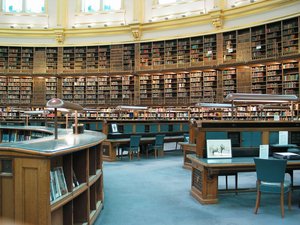 영국 도서관 |
런던 | 1 | Captain William Joseph Eastwick (1808–1889), Director of the East India Company (1849–1858) |
 National Portrait Gallery |
런던 | 1 | Stapleton Cotton, 1st Viscount Combermere |
이 컬렉션은 1825년부터 1837년까지 13년 동안 Mary Martha Pearson의 작품 중 매년 가장 뛰어난 오리지널 작품들을 엄선하였습니다.
연도를 선택하여 원작을 확인해 보세요.
Sir Thomas Kelly, Lord Mayor of London (1836) (1837), Guildhall Art Gallery, 런던. 다음은 Thomas Wright Hill (1763–1851) (1831)와 Captain William Joseph Eastwick (1808–1889), Director of the East India Company (1849–1858) (1827)입니다.
39세: Sir Thomas Kelly, Lord Mayor of London (1836)은(는) 1837년 작품이며, Mary Martha Pearson은(는) 1798년에 태어났습니다.
Sir Thomas Kelly, Lord Mayor of London (1836), Thomas Wright Hill (1763–1851), Captain William Joseph Eastwick (1808–1889), Director of the East India Company (1849–1858), Stapleton Cotton, 1st Viscount Combermere, Lord Denman (1779–1854), Baron of Dovedale, Sir James Shaw (1764–1843), City Chamberlain, Sir Rowland Hill (1795–1879), Lady Caroline Hill (1796–1881), Thomas Denman (1779–1854), 1st Baron Denman 및 Samuel Birch (1757–1841), Lord Mayor of London (1814). 위 순위는 각 작품의 제작 연도와 소장 박물관을 나타냅니다.
저희 카탈로그에는 1825년부터 1837년 사이의 Mary Martha Pearson 작가의 작품 10점이 수록되어 있습니다.
대부분 Guildhall Art Gallery (런던), The British Postal Museum - Archive (London) 및 버밍엄 미술관 (버밍엄)에 소장되어 있습니다. 위의 박물관 목록에서 전체 목록을 확인하실 수 있습니다.
1836 동안: 이 페이지의 총 10점의 작품 중 2점이 해당 시기에 제작되었으며, 그중 Sir Rowland Hill (1795–1879)점입니다.
이 페이지에서 가장 오래된 작품은 Stapleton Cotton, 1st Viscount Combermere (1825)이며, 가장 최근 작품은 Sir Thomas Kelly, Lord Mayor of London (1836) (1837)입니다.
Sir Thomas Kelly, Lord Mayor of London (1836), Lord Denman (1779–1854), Baron of Dovedale 및 Sir James Shaw (1764–1843), City Chamberlain: Guildhall Art Gallery, 런던은(는) 이 페이지에 있는 작품 중 4점을 소장하고 있습니다.
In the vibrant, shifting landscape of nineteenth-century British art, few figures captured the quiet gravity of the Victorian era as effectively as Mary Martha Pearson. Born in June 1798 within the bustling heart of London’s Birchin Lane, Pearson was the daughter of a bookseller, an upbringing that likely immersed her in the rich textures of literature and classical imagery from her earliest years. Her journey into the world of fine art began not with grand declarations, but through the disciplined study of the old masters. Under the guidance of a drawing-master named Lewis, she honed a precision that would become her hallmark. By 1813, she was already finding her footing in the prestigious galleries of the British Institution in Pall Mall, where she practiced the delicate art of copying classical works. This period of intense study culminated in a significant triumph in 1815, when she was awarded a gold medal by the Institution for her masterful copy of Claude Lorrain’s The Embarkation of the Queen of Sheba—a feat so accomplished that her rendition was hung alongside the original masterpiece.
As her talent matured, Pearson’s life became intertwined with the upper echelons of British society. Her marriage in 1823 to Stapleton Cotton, who would ascend to the title of Viscount Combermere, provided her with a unique vantage point from which to observe and document the influential figures of her age. This social standing did more than merely offer subject matter; it granted her access to the very heart of aristocratic culture, allowing her to undertake significant commissions that required both technical excellence and an understanding of social nuance. Her work was never merely about likeness; it was about capturing the identity and status of her sitters. Critics of her time noted that her portraits possessed an "air of identity," a rare quality in portraiture that suggests a deep, psychological connection between the artist’s brush and the subject's soul.
Pearson’s artistic style was a sophisticated blend of Neoclassical discipline and the meticulous realism favored during the transition from the Regency to the Victorian era. Her technique was characterized by an extraordinary attention to detail, particularly in the rendering of luxurious fabrics, lace, and the subtle complexities of human expression. She possessed a masterful command of oil paint and glazing techniques, which allowed her to create depth and a luminous quality in skin tones. Many of her compositions utilized stable, pyramidal structures—a nod to the Renaissance traditions she studied—to instill a sense of permanence and dignity in her subjects.
<Her exhibition record further cements her place in the annals of British art history. Between 1821 and 1842, she was a frequent presence at the Royal Academy, exhibiting thirty-one works that showcased her evolving skill. Furthermore, as an early member of the Society of British Artists, she contributed significantly to the gallery scene in Suffolk Street, exhibiting dozens of works that reflected the changing tastes of the mid-nineteenth century.
Though history often focuses on the male titans of the Victorian era, Mary Martha Pearson’s contribution remains vital for understanding the social fabric of her time. Her body of work, consisting of approximately eighty portraits, serves as a visual archive of the British aristocracy and the rising professional classes. Through her eyes, we see the faces of dignitaries such as Sir Thomas Kelly, the Lord Mayor of London, and the distinguished Viscount Combermere himself. Her paintings are more than mere representations; they are historical documents that capture the poise, fashion, and social hierarchies of a bygone era.
Pearson’s life and art represent the intersection of personal discipline and social opportunity. She navigated the constraints placed upon women artists of her period by leveraging her technical brilliance to command respect in the most prestigious institutions of London. Today, her legacy lives on through the meticulous detail of her canvases, which continue to offer a window into the dignity, grace, and structured elegance of the nineteenth-century British spirit.
