


1


11월 2026 업데이트 · 인기 점수 기준 순위 (각 작품의 검색, 방문 및 주문 수) · 66점의 마리노 마리니 작품 (당사 카탈로그 기준)
요약하자면
마리노 마리니가 남긴 모든 원작 중 가장 유명한 작품은 Two Men and a Horse (1951)입니다. 그 뒤를 이어 Horses and Standing Rider (1951)와 Man Leading Two Horses (1953)가 뒤를 잇습니다. 마리노 마리니의 작품 66점을 보유하고 있습니다. 갤러리는 세계가 가장 찬사하는 63점을 엄선하여 각 작품의 제작 연도, 소장 미술관 및 작품에 담긴 이야기를 함께 소개합니다.


 Untitled (187)
12
 Untitled (345)
13
 Rider, (1936)
14
 Untitled (196)
15
 Composizione, (1955)
16
 Untitled (572)
17
 Untitled (801)
18
 Untitled (129)
19
 Untitled (671)
20
 Untitled (311)
21
 Untitled (946)
22
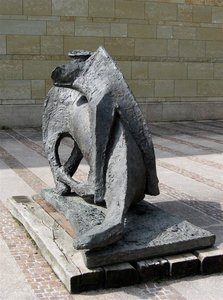 Miracolo, (2) (1960)
23
 Untitled (264)
24
 Giocoliere, (1940)
25
 L’angelo della citta, (1948)
26
 Danseres
27
 Horseman1947
28
 Man and Horse 11953
29
 Horse and Rider1953
30
 Red Horse1952
31
 Danzatrice Seduta1949 · Museo del Novecento
32
 Ritratto di Joseph H. Hirschhorn1963 · Museo del Novecento
33
 Untitled (734)
34
 Untitled (708)
35
 Untitled (601)
36
 Untitled (569)
37
 Untitled (639)
38
 Untitled (675)
39
 Piccolo cavallo
40
 Composizione, (1956)
41
 PferdBechtler Museum of Modern Art
42
 Pugile
43
 Untitled (487)
44
 Untitled (927)
45
 Untitled (603)
46
 Untitled (723)
47
 Untitled (385)
48
 Untitled (2)
49
 Untitled (211)
50
 Untitled (817)
51
 Untitled (900)
52
 Untitled (585)
53
 Untitled (883)
54
 Horse and rider (2)
55
 Der schrei, (1963)
56
 Ritratto dMuseum Folkwang
57
 Miracolo, (1960)
58
 Untitled (796)
59
 Untitled
60
 Judith, (1945)
61
 Miracolo, (1952)
62
 Horse and Rider1949
63
 PomonaMinistero degli Affari Esteri e della Cooperazione Internazionale. Collezione Farnesina
이 오리지널 작품들에서 가장 자주 등장하는 네 가지 주제와 그 정수를 보여주는 대표작들.
이 페이지에 있는 작품을 가장 많이 소장하고 있는 4개의 미술관
| 소장 미술관 | 도시 | 마리노 마리니의 작품 | 이 목록의 작품들 |
|---|---|---|---|
 Museo del Novecento |
밀라노 | 2 | Danzatrice Seduta, Ritratto di Joseph H. Hirschhorn |
 Bechtler Museum of Modern Art |
샬럿 | 1 | Pferd |
 Museum Folkwang |
에센 | 1 | Ritratto d |
 Ministero degli Affari Esteri e della Cooperazione Internazionale. Collezione Farnesina |
로마 | 1 | Pomona |
그 시대를 정의하는 오리지널 작품을 만나보려면 연대를 선택하세요.


Two Men and a Horse (1951). 다음은 Horses and Standing Rider (1951)와(과) Man Leading Two Horses (1953)입니다.
50세: Two Men and a Horse은(는) 1951년 작품이며, 마리노 마리니은(는) 1901년에 태어났습니다.
Two Men and a Horse, Horses and Standing Rider, Man Leading Two Horses, Man and Horse 2, Untitled (133), Horse and rider, Untitled (902), Untitled (846), Untitled (401) 및 Untitled (505). 위 순위는 각 작품의 제작 연도와 소장 박물관을 나타냅니다.
저희 카탈로그에는 1947년부터 1963년 사이의 마리노 마리니 작가의 작품 66점이 수록되어 있습니다.
대부분 Museo del Novecento (밀라노), Bechtler Museum of Modern Art (샬럿) 및 Museum Folkwang (에센)에 소장되어 있습니다. 위의 박물관 목록에서 전체 목록을 확인하실 수 있습니다.
1950s 동안: 이 페이지의 총 63점의 작품 중 7점이 해당 시기에 제작되었으며, 그중 Two Men and a Horse점입니다.
이 페이지에서 가장 오래된 작품은 Horseman (1947)이며, 가장 최근 작품은 Ritratto di Joseph H. Hirschhorn (1963)입니다.
이 페이지의 63점의 작품에 걸쳐 있는 Animals (2), Bronze sculpture (2) 및 Etruscan influence (2)
Danzatrice Seduta 및 Ritratto di Joseph H. Hirschhorn: Museo del Novecento, 밀라노은(는) 이 페이지에 있는 작품 중 2점을 소장하고 있습니다.
Marino Marini stands as a pivotal figure in Italian sculpture of the mid-twentieth century, a master who possessed the rare ability to blend classical inspiration with an uncompromising exploration of human emotion. Born in 1901, his artistic journey began formally at the Accademia di Belle Arti in Florence, where he honed the technical skills that would eventually allow him to transcend mere representation. While Marini never truly abandoned the medium of painting, it was through the tactile, three-dimensional language of sculpture that he found his most profound voice. From approximately 1922, he dedicated himself primarily to this craft, a commitment that would define his career and solidify his reputation as a sculptor capable of capturing both the monumental and the deeply personal.
His formative years were profoundly shaped by the influence of Arturo Martini, whose sculptural style—characterized by dynamic poses and expressive musculature—served as a cornerstone for Marini’s own artistic vision. This foundation was further enriched by a deep fascination with Etruscan art, particularly its stylized depictions of figures and animals imbued with symbolic meaning. Marini sought to reach beyond the surface of his subjects, aiming instead for an embodiment of psychological depth and spiritual resonance. This preoccupation with antiquity fueled his stylistic choices, underpinning his enduring themes of heroism, primal instinct, and the eternal struggle between man and beast.
Marini’s career was marked by a restless movement across Europe, mirroring the shifting political landscapes of his era. In 1929, he ascended to the position of Professor at the Scuola d'Arte Villa Reale in Monza, a role he maintained until 1940. During these formative decades, Marini cultivated vital connections with the giants of modern art, engaging in creative dialogues with Massimo Campigli, Giorgio de Chirico, and Alberto Magnelli. His frequent travels to Paris allowed him to immerse himself in the avant-garde milieu, fostering friendships with legendary figures such as Alberto Giacometti, Germaine Richier, and Fritz Wotruba—artists who shared his commitment to exploring the human condition through figurative sculpture.
The Second World War brought significant upheaval to his life, forcing Marini into exile in Switzerland. Moving to Tenero-Locarno in 1936, he spent several years navigating the cultural centers of Zürich and Basel. This period of displacement, while fraught with the anxieties of war, allowed him to expand his international reach and integrate new perspectives into his work. By 1940, he accepted a prestigious professorship at the Accademia di Belle Arti di Brera in Milan, eventually settling permanently in the city in 1946. This return to Italy signaled a period of immense productivity and established him as one of the most significant Italian artists of the twentieth century.
The true essence of Marini’s work lies in his ability to evoke raw energy through textured surfaces and angular lines. His sculptures, often featuring equestrian figures and nudes, serve as a bridge between the ancient world and modern existentialism. Whether working with bronze or other materials, he utilized expressive realism to create works that feel both timeless and urgently contemporary. His mastery is evident in several key areas of his artistic output:
Marini’s historical significance is cemented not only by his personal achievements but also by the institutions that preserve his memory. The Museo Marino Marini in Milan, housed in the ancient church of San Pancrazio, holds one of the most important collections of his work, fostering a dialogue between historical architecture and his dynamic sculptural forms. Today, Marini remains a celebrated figure whose work continues to inspire, reminding us of the enduring power of myth to reflect our modern complexities.
