


1


11월 2026 업데이트 · 인기 점수 기준 순위 (각 작품의 검색, 방문 및 주문 수) · 15점의 Leon Victor Dupre 작품 (당사 카탈로그 기준)
요약하자면
갤러리가 선정한 Leon Victor Dupre의 가장 유명한 작품은 Landscape with Figure and Cow (1843)이며, 원작은 부에노스아이레스의 국립 미술관에 전시되어 있습니다. At Water Level (1852)와 Landscape (1869)가 더해져 누구나 한눈에 알아볼 수 있는 완벽한 트리오를 완성합니다. Leon Victor Dupre의 작품 15점 중, 갤러리는 가장 유명한 12점을 아래와 같이 소개합니다. 각 작품은 제작 연도, 소장 미술관 및 작품의 특징을 포함한 독창적인 원작입니다.


이 오리지널 작품들에서 가장 자주 등장하는 네 가지 주제와 그 정수를 보여주는 대표작들.
이 페이지에 있는 작품을 가장 많이 소장하고 있는 5개의 미술관
| 소장 미술관 | 도시 | Leon Victor Dupre의 작품 | 이 목록의 작품들 |
|---|---|---|---|
 Museo de Bellas Artes de Valparaíso |
Valparaíso | 2 | At Water Level, French Landscape |
 국립 미술관 |
부에노스아이레스 | 1 | Landscape with Figure and Cow |
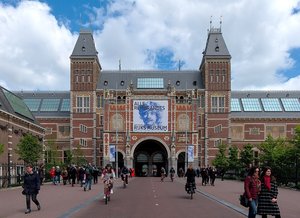 국립 미술관 |
암스테르담 | 1 | Landscape |
 바이에른 주립 회화 컬렉션 |
뮌헨 | 1 | Landscape |
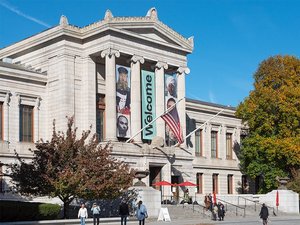 보스턴 미술관 |
보스턴 | 1 | Water Meadows and Cattle |
그 시대를 정의하는 오리지널 작품을 만나보려면 연대를 선택하세요.
Landscape with Figure and Cow (1843), 국립 미술관, 부에노스아이레스. 다음은 At Water Level (1852)와 Landscape (1869)입니다.
27세: Landscape with Figure and Cow은(는) 1843년 작품이며, Leon Victor Dupre은(는) 1816년에 태어났습니다.
Landscape with Figure and Cow, At Water Level, Landscape, French Landscape, Landscape with Sheep, Landscape, Water Meadows and Cattle, Flooded Pasture, Landscape 및 Landscape with cows and figures. 위 순위는 각 작품의 제작 연도와 소장 박물관을 나타냅니다.
저희 카탈로그에는 1843년부터 1879년 사이의 Leon Victor Dupre 작가의 작품 15점이 수록되어 있습니다.
대부분 Museo de Bellas Artes de Valparaíso (Valparaíso), 국립 미술관 (부에노스아이레스) 및 국립 미술관 (암스테르담)에 소장되어 있습니다. 위의 박물관 목록에서 전체 목록을 확인하실 수 있습니다.
이 페이지에서 가장 오래된 작품은 Landscape with Figure and Cow (1843)이며, 가장 최근 작품은 French Landscape (1879)입니다.
이 페이지의 12점의 작품에 걸쳐 있는 Landscape (3) 및 Animals (3)
At Water Level 및 French Landscape: Museo de Bellas Artes de Valparaíso, Valparaíso은(는) 이 페이지에 있는 작품 중 2점을 소장하고 있습니다.
Léon Victor Dupré emerged from the artistic crucible of Limoges, France, a region steeped in tradition yet yearning for the innovations of a changing era. Born in 1816, Dupré’s life and work became an enduring testament to the spirit of Romanticism—a movement that sought to prioritize raw emotion over cold reason, celebrating the sublime beauty of the natural world alongside the introspective depths of human experience. His journey as a painter was deeply rooted in his lineage and early mentorship; while some accounts suggest the influence of celebrated masters, he notably studied under the guidance of his brother, Jules Dupré, an association that helped shape his foundational understanding of light and composition.
The evolution of Dupré’s technique reveals a master in constant dialogue with the atmosphere around him. Though he predated the formal arrival of the Impressionist movement, his approach possessed a prophetic quality, utilizing loose, layered brushstrokes to achieve profound atmospheric effects. He did not merely paint scenery; he captured the very breath of the French countryside. His canvases are renowned for their ability to shimmer with an iridescent light, achieved through a sophisticated blending of hues that convey both melancholy and vibrancy. By meticulously rendering textures—from the rough, weathered bark of ancient trees to the soft, velvety petals of wildflowers—he grounded his romantic visions in a palpable, tactile reality.
To observe a Dupré landscape is to enter a world defined by a specific, evocative color language. His palette frequently danced with shades of violet, crimson, and emerald green, colors chosen specifically to evoke the shifting moods of the French landscape. These tones allowed him to transition seamlessly from the tranquil warmth of a sun-drenched meadow to the somber, ethereal twilight of a coastal scene. This mastery of color enabled him to capture the fleeting moments of visual splendor that define the Romantic experience, making the ephemeral feel eternal upon the canvas.
His repertoire of subjects often focused on the pastoral and the serene, finding profound beauty in the everyday rhythms of rural life. Some of his most significant contributions to the landscape genre include:
Though Dupré’s life ended in 1879 following a long and painful illness, his impact on the trajectory of French landscape painting remains indelible. He stood at a pivotal crossroads in art history, bridging the gap between the meticulous traditions of the past and the emotive, light-focused revolutions of the future. His ability to infuse landscapes with a sense of psychological depth helped pave the way for later artists to treat nature not just as a backdrop, but as a mirror for the human soul.
Today, the works of Léon Victor Dupré continue to resonate with collectors and historians alike. He remains a vital figure for anyone seeking to understand the transition from Romanticism to the dawn of modernism, serving as a reminder that the most profound truths are often found in the quietest corners of the natural world. His legacy lives on through the luminous, breathing landscapes that continue to transport viewers back to the heart of 19th-century France.


