


1


11월 2026 업데이트 · 인기 점수 기준 순위 (각 작품의 검색, 방문 및 주문 수) · 5점의 Giuseppe Bonati 작품 (당사 카탈로그 기준)
요약하자면
Giuseppe Bonati가 남긴 모든 원작 중 가장 유명한 작품은 뮌헨의 바이에른 주립 회화 컬렉션에 소장된 Bathsheba Bathing (1658)입니다. 그 뒤를 이어 Madonna with the Child (1660)와 Esther before Ahasuerus (1650)가 뒤를 잇습니다. Giuseppe Bonati의 작품 5점을 보유하고 있습니다. 갤러리는 세계가 가장 찬사하는 5점을 엄선하여 각 작품의 제작 연도, 소장 미술관 및 작품에 담긴 이야기를 함께 소개합니다.


This evocative painting, titled Study of a Female Figure, invites the viewer into an intimate tableau of maternal grace and quiet devotion. At its heart lies a woman kneeling with profound tenderness as she cradles a baby close to her chest. The composition immediately draws the eye to this central bond—the physical closeness suggesting a narrative rich with unspoken emotion. The infant’s head rests gently upon the mother's shoulder, creating…
이 페이지에 있는 작품을 가장 많이 소장하고 있는 4개의 미술관
| 소장 미술관 | 도시 | Giuseppe Bonati의 작품 | 이 목록의 작품들 |
|---|---|---|---|
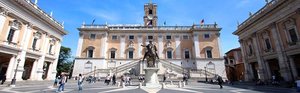 카피톨리니 박물관 |
로마 | 2 | Madonna with the Child, Esther before Ahasuerus |
 바이에른 주립 회화 컬렉션 |
뮌헨 | 1 | Bathsheba Bathing |
 Slovak National Gallery |
브라티슬라바 | 1 | Saint Charles of Borromeo among Plague Victims |
 Kunstpalast |
뒤셀도르프 | 1 | Study of a Female Figure |
1650년부터 1665년까지, Giuseppe Bonati 작가는 16년 동안 활동했습니다. 이 컬렉션은 작가의 긴 여정을 따라 가장 뛰어난 원작들을 연도별로 엄선한 것입니다.
연도를 선택하여 원작을 확인해 보세요.
This evocative painting, titled Study of a Female Figure, invites the viewer into an intimate tableau of maternal grace and quiet devotion. At its heart lies a woman kneeling with profound tenderness as she cradles a baby close to her chest. The composition immediately draws the eye to this central bond—the physical closeness suggesting a narrative rich with unspoken emotion. The infant’s head rests gently upon the mother's shoulder, creating…
Bathsheba Bathing (1658), 바이에른 주립 회화 컬렉션, 뮌헨. 다음은 Madonna with the Child (1660)와 Esther before Ahasuerus (1650)입니다.
23세: Bathsheba Bathing은(는) 1658년 작품이며, Giuseppe Bonati은(는) 1635년에 태어났습니다.
저희 카탈로그에는 1650년부터 1665년 사이의 Giuseppe Bonati 작가의 작품 5점이 수록되어 있습니다.
대부분 카피톨리니 박물관 (로마), 바이에른 주립 회화 컬렉션 (뮌헨) 및 Slovak National Gallery (브라티슬라바)에 소장되어 있습니다. 위의 박물관 목록에서 전체 목록을 확인하실 수 있습니다.
이 페이지에서 가장 오래된 작품은 Esther before Ahasuerus (1650)이며, 가장 최근 작품은 Study of a Female Figure (1665)입니다.
Madonna with the Child 및 Esther before Ahasuerus: 카피톨리니 박물관, 로마은(는) 이 페이지에 있는 작품 중 2점을 소장하고 있습니다.
Giuseppe Bonati, an Italian painter of the Baroque period, remains a captivating figure whose brush captured the profound emotionality of his era. Known also by the names Giovannino del Pio or Giovanni Bonatti, his artistic journey was one of movement and prestigious mentorship across the heart of Italy. His early training began under the guidance of Francesco Costanzo Cattaneo and Leonello Bononi, laying a foundation that would soon lead him into the most vibrant artistic circles of the seventeenth century. Under the influential patronage of cardinal Carlo Pio di Savoia, Bonati’s horizons expanded significantly when he was sent to Bologna in 1658 to refine his craft under the legendary Guercino.
The trajectory of his career continued toward Rome, where in 1662 he entered the studio of Pier Francesco Mola. This period of intense study and professional growth saw Bonati attempting to establish a studio with ambitions as grand as those of Carlo Maratta. His travels were not limited to a single city; alongside his patrons, he traversed much of Italy, including Venice, before returning to Rome in 1665. This nomadic existence allowed him to absorb the diverse stylistic currents of the time, blending the dramatic light and shadow of the Baroque with a sophisticated handling of form.
Bonati’s work is characterized by a remarkable ability to weave narrative depth through delicate technique. His paintings often invite viewers into intimate, evocative scenes where maternal grace or sacred devotion takes center stage. In works such as Study of a Female Figure, one can observe his mastery of the Baroque brushwork, specifically in how he renders luminous skin tones and the rich, saturated hues of drapery. He possessed a unique talent for using light to create a sense of vulnerability and protection, making the physical closeness of his subjects feel both tangible and ethereal.
Beyond mere technical skill, Bonati’s compositions are carefully orchestrated to guide the eye through layers of human connection. His ability to ground spiritual or symbolic themes in a domestic reality—using simple elements like a chair or a background figure to lend depth—demonstrates a sophisticated understanding of visual storytelling. Whether painting for the high nobility, such as Queen Christina of Sweden, or decorating the sacred spaces of Rome, his art resonated with universal themes of continuity and love.
The historical significance of Giuseppe Bonati lies in his contributions to the religious and civic landscapes of major Italian cities. His presence in Rome was marked by significant commissions for prominent churches, including:
His repertoire also included notable secular and mythological subjects found in prestigious collections like the Museo Capitolino, such as Rinaldo leaves Armida and Sisera and Jael. Through these works, Bonati helped sustain the grandeur of the Baroque tradition, leaving behind a legacy of paintings that continue to evoke the profound emotionalism and technical brilliance of his age.