

1


11월 2026 업데이트 · 인기 점수 기준 순위 (각 작품의 검색, 방문 및 주문 수) · 2점의 Giovanni Bon 작품 (당사 카탈로그 기준)
요약하자면
Giovanni Bon가 남긴 모든 원작 중 가장 유명한 작품은 베네치아의 도제 궁전에 소장된 The Fall of Adam and Eve (1400)입니다. Giovanni Bon의 작품 2점을 보유하고 있습니다. 갤러리는 세계가 가장 찬사하는 2점을 엄선하여 각 작품의 제작 연도, 소장 미술관 및 작품에 담긴 이야기를 함께 소개합니다.
이 페이지에 있는 작품을 가장 많이 소장하고 있는 1개의 미술관
| 소장 미술관 | 도시 | Giovanni Bon의 작품 | 이 목록의 작품들 |
|---|---|---|---|
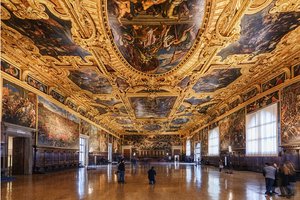 도제 궁전 |
베네치아 | 2 | The Fall of Adam and Eve, Porta della Carta |
1400년부터 1438년까지, Giovanni Bon 작가는 39년 동안 활동했습니다. 이 컬렉션은 작가의 긴 여정을 따라 가장 뛰어난 원작들을 연도별로 엄선한 것입니다.
연도를 선택하여 원작을 확인해 보세요.

The Fall of Adam and Eve (1400)
20세: The Fall of Adam and Eve은(는) 1400년 작품이며, Giovanni Bon은(는) 1380년에 태어났습니다.
저희 카탈로그에는 1400년부터 1438년 사이의 Giovanni Bon 작가의 작품 2점이 수록되어 있습니다.
대부분 도제 궁전 (베네치아)에 소장되어 있습니다. 위의 박물관 목록에서 전체 목록을 확인하실 수 있습니다.
이 페이지에서 가장 오래된 작품은 The Fall of Adam and Eve (1400)이며, 가장 최근 작품은 Porta della Carta (1438)입니다.
The Fall of Adam and Eve 및 Porta della Carta: 도제 궁전, 베네치아은(는) 이 페이지에 있는 작품 중 2점을 소장하고 있습니다.
In the vibrant, salt-misted atmosphere of the early 15th century, a period where the delicate elegance of the Gothic era began to dance with the burgeoning humanism of the Renaissance, the name Giovanni Bon emerged as a cornerstone of Venetian identity. Born around 1380 in the rugged, strategically vital enclave of Campione d'Italia, Bon’s early life was shaped by the artistic traditions of Lombardy. This heritage, steeped in intricate detail and expressive movement, provided him with a foundational language that he would later translate into the grander, more monumental scale required by the maritime republic of Venice. As he moved toward the heart of Venetian power, his work became an essential thread in the city's growing architectural and sculptural tapestry.
The development of Bon’s artistry was not a solitary journey but one deeply embedded in the collaborative spirit of the workshop tradition. It is widely believed that he honed his technical mastery under the influence of masters like Bartolomeo Buonatello, whose command over classical forms offered a glimpse into the future of Italian art. Within the bustling studios of Venice, Bon operated within a milieu where craftsmanship was a communal endeavor. This period of his life was defined by a profound synthesis of styles; he possessed the unique ability to retain the flowing, rhythmic drapery and emotive dynamism characteristic of the Gothic style while simultaneously embracing the structural clarity and anatomical burgeoning that signaled the arrival of the Renaissance.
The true magnitude of Giovanni Bon’s contribution is best witnessed through his monumental architectural commissions, which served as much as civic statements as they did artistic triumphs. His hands helped shape the very face of Venetian authority, most notably through his involvement with the Porta della Carta (the Gate of Lead) at the Doge’s Palace. This masterpiece, a breathtaking intersection of sculpture and architecture, stands as a testament to his ability to command large-scale narratives in stone. His work on such projects was not merely about decoration; it was about imbuing the physical structures of the state with a sense of divine and temporal permanence.
Beyond the gates of the Doge's Palace, Bon’s influence reached into the sacred spaces of the city. His contributions to the decoration of significant religious sites, such as the Sant'Andrea Maggiore and his involvement in the intricate marble works that adorned Venice's most prestigious basilicas, showcased a versatility that few of his contemporaries could match. To look upon his work is to see the transition of an era: