


1


11월 2026 업데이트 · 인기 점수 기준 순위 (각 작품의 검색, 방문 및 주문 수) · 21점의 Gerrit Van Vucht 작품 (당사 카탈로그 기준)
요약하자면
Church interior (1632)은(는) Gerrit Van Vucht의 작품 중 가장 많은 시선을 사로잡는 회화이며, 원작은 로테르담에 위치한 Museum Boijmans Van Beuningen에 소장되어 있습니다. 그다음 시선은 Still Life with Ham, a Glass of Beer, and a Lemon (1661)와 Still life with fish, eggs, bread and pans (1650)로 향합니다. 우리 카탈로그에 수록된 Gerrit Van Vucht의 작품 21점 중, 가장 유명한 21점을 소개합니다. 각 작품은 제작 연도, 소장 박물관, 그리고 시대를 초월해 사랑받는 이유와 함께 독창적인 원작으로 제시됩니다.


 Still Life with Books1677 · Museum Boijmans Van Beuningen
12
 Still life of a laid table in an interior1680
13
 Still life with berkemeyer and peaches1680
14
 Still life with a crab on a pewter plate, roemer, salt cellar, napkin, peaches, a peeled lemon, a bun and grapes1680
15
 Fruit still life1675
16
 Still life of books with a columbine cup1690
17
 Vanitas Still Life, Gerrit van Vucht, 1658 - 16971697 · 국립 미술관
18
 Interior of a Gothic Church빈 미술사 박물관
19
 Still life with sphere, books, tazza and wine glassAcademy of Fine Arts Vienna
20
 Still life with skull, books, candle and a flask애슈몰린 미술관
21
 Still life with a dead duck, fish, pears, eggs, a copper pot and other objects, all arranged on a kitchen cabinet
이 페이지에 있는 작품을 가장 많이 소장하고 있는 8개의 미술관
| 소장 미술관 | 도시 | Gerrit Van Vucht의 작품 | 이 목록의 작품들 |
|---|---|---|---|
 Museum Boijmans Van Beuningen |
로테르담 | 2 | Church interior, Still Life with Books |
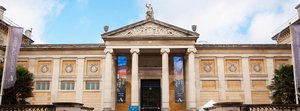 애슈몰린 미술관 |
옥스퍼드 | 2 | Still life with stoneware jug, bekerschroef, glassware and a leg of ham, Still life with skull, books, candle and a flask |
 Het Prinsenhof |
Delft | 1 | Still Life with Ham, a Glass of Beer, and a Lemon |
 The National Museum in Poznań |
Poznań | 1 | Still life with beads, books, hourglass, letters and bottle |
 국립 미술관 |
스톡홀름 | 1 | Still Life with Fruit |
 국립 미술관 |
암스테르담 | 1 | Vanitas Still Life, Gerrit van Vucht, 1658 - 1697 |
 빈 미술사 박물관 |
빈 | 1 | Interior of a Gothic Church |
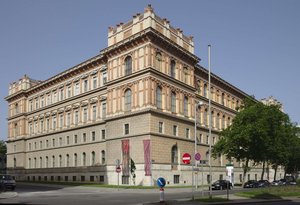 Academy of Fine Arts Vienna |
빈 | 1 | Still life with sphere, books, tazza and wine glass |
그 시대를 정의하는 오리지널 작품을 만나보려면 연대를 선택하세요.


Church interior (1632), Museum Boijmans Van Beuningen, 로테르담. 다음은 Still Life with Ham, a Glass of Beer, and a Lemon (1661)와 Still life with fish, eggs, bread and pans (1650)입니다.
22세: Church interior은(는) 1632년 작품이며, Gerrit Van Vucht은(는) 1610년에 태어났습니다.
Church interior, Still Life with Ham, a Glass of Beer, and a Lemon, Still life with fish, eggs, bread and pans, Kitchen still life with meat, fish and vegetables, Still life with books and flute, Still life with tric-trac game on a wooden table, chairs and a cello to the right, Still life with beads, books, hourglass, letters and bottle, Still life with stoneware jug, bekerschroef, glassware and a leg of ham, Still life with a pewter jug, roemers and a leg of ham 및 Still Life with Fruit. 위 순위는 각 작품의 제작 연도와 소장 박물관을 나타냅니다.
저희 카탈로그에는 1632년부터 1697년 사이의 Gerrit Van Vucht 작가의 작품 21점이 수록되어 있습니다.
대부분 Museum Boijmans Van Beuningen (로테르담), 애슈몰린 미술관 (옥스퍼드) 및 Het Prinsenhof (Delft)에 소장되어 있습니다. 위의 박물관 목록에서 전체 목록을 확인하실 수 있습니다.
1650s 동안: 이 페이지의 총 21점의 작품 중 6점이 해당 시기에 제작되었으며, 그중 Still life with fish, eggs, bread and pans점입니다.
이 페이지에서 가장 오래된 작품은 Church interior (1632)이며, 가장 최근 작품은 Vanitas Still Life, Gerrit van Vucht, 1658 - 1697 (1697)입니다.
Church interior 및 Still Life with Books: Museum Boijmans Van Beuningen, 로테르담은(는) 이 페이지에 있는 작품 중 2점을 소장하고 있습니다.