

1


11월 2026 업데이트 · 인기 점수 기준 순위 (각 작품의 검색, 방문 및 주문 수) · 19점의 Frank Taylor 작품 (당사 카탈로그 기준)
요약하자면
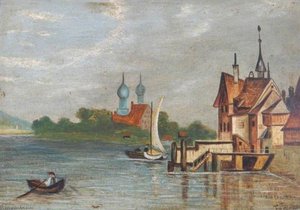
Frank Taylor가 남긴 모든 원작 중 가장 유명한 작품은 Darlington의 Darlington Library에 소장된 Lake Scene and Minarets입니다. 그 뒤를 이어 Bridge and Moonlight (1884)와 Snow Scene with Watermill (1885)가 뒤를 잇습니다. Frank Taylor의 작품 19점을 보유하고 있습니다. 갤러리는 세계가 가장 찬사하는 19점을 엄선하여 각 작품의 제작 연도, 소장 미술관 및 작품에 담긴 이야기를 함께 소개합니다.


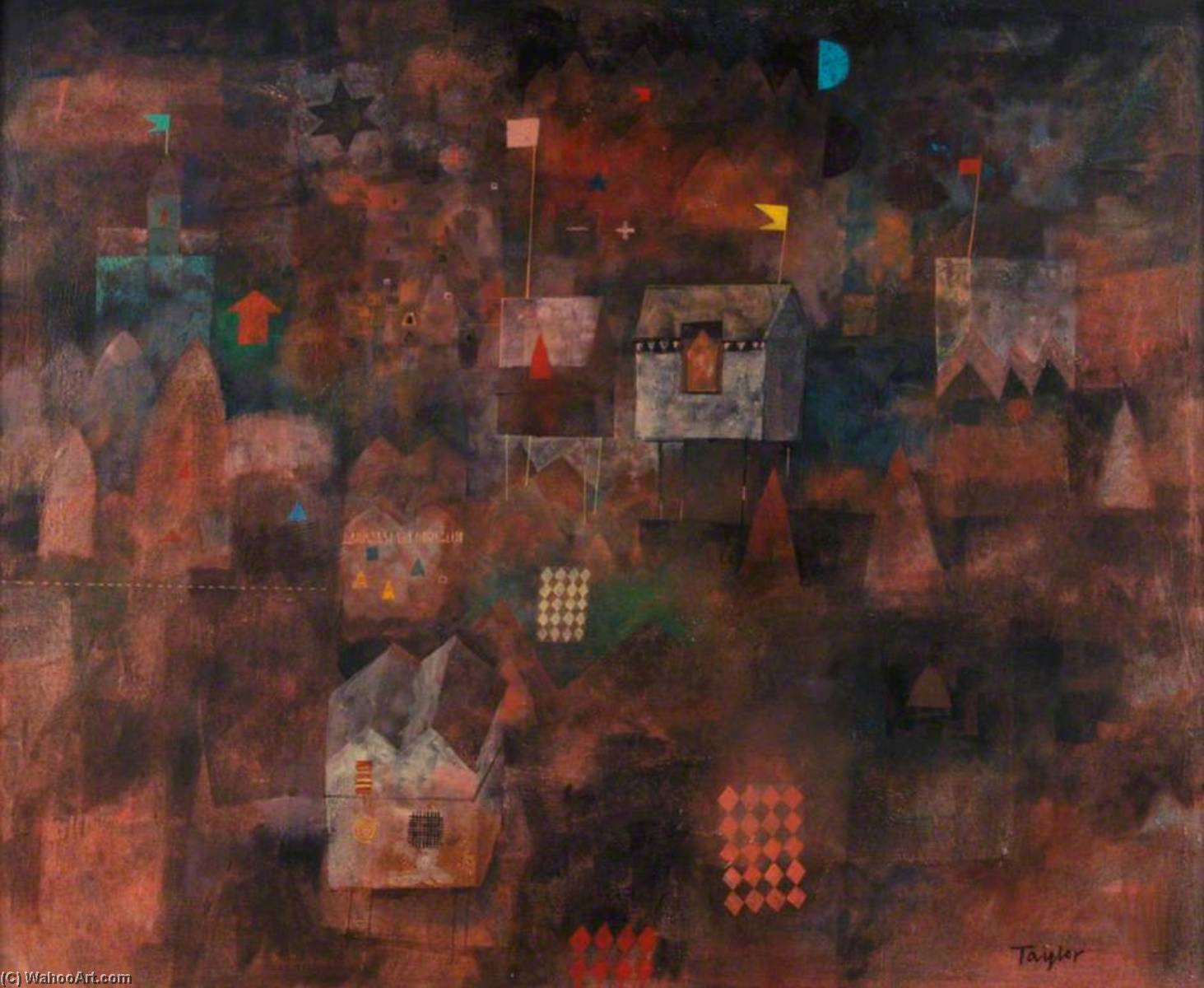


 The MillDarlington Library
12
 Lake SceneDarlington Library
13
 Moonlit CastleDarlington Library
14Rural Scene with Girl and GeeseDarlington Library
15
 Lake SceneDarlington Library
16
 Bridge and MoonlightDarlington Library
17
 By the WellDarlington Library
18
 Church at MoonlightDarlington Library
19
 Landscape in MoonlightDarlington Library
이 페이지에 있는 작품을 가장 많이 소장하고 있는 2개의 미술관
| 소장 미술관 | 도시 | Frank Taylor의 작품 | 이 목록의 작품들 |
|---|---|---|---|
 Darlington Library |
Darlington | 16 | Lake Scene and Minarets, Bridge and Moonlight, Snow Scene with Watermill |
 University of Surrey |
Guildford | 2 | Methoni, Greece, Punch |
이 컬렉션에 포함된 모든 Frank Taylor의 작품은 1999년에 제작되었습니다. 명성에 따라 순위별로 나열된 작품들을 만나보세요.
연도를 선택하여 원작을 확인해 보세요.
Lake Scene and Minarets, Darlington Library, Darlington. 다음은 Bridge and Moonlight (1884)와 Snow Scene with Watermill (1885)입니다.
Lake Scene and Minarets, Bridge and Moonlight, Snow Scene with Watermill, Waterfall, Figures on a Bridge above a Waterfall, White Flowers, Landscape with Bridge and Castle, The Pilgrimage, Methoni, Greece 및 Punch. 위 순위는 각 작품의 제작 연도와 소장 박물관을 나타냅니다.
저희 카탈로그에는 Frank Taylor의 작품 19점이 있습니다.
대부분 Darlington Library (Darlington) 및 University of Surrey (Guildford)에 소장되어 있습니다. 위의 박물관 목록에서 전체 목록을 확인하실 수 있습니다.
1999 동안: 이 페이지의 총 19점의 작품 중 2점이 해당 시기에 제작되었으며, 그중 Methoni, Greece점입니다.
Lake Scene and Minarets, Bridge and Moonlight 및 Snow Scene with Watermill: Darlington Library, Darlington은(는) 이 페이지에 있는 작품 중 16점을 소장하고 있습니다.
Born on the small Caribbean island of Barbados in 1946, Frank Taylor’s artistic journey began amidst a rich tapestry of influences – the vibrant hues of his homeland, the craftsmanship inherited from his father, a skilled furniture maker, and the evocative stories whispered through generations. Early exposure to both the natural world and traditional artistry laid the foundation for an artist who would later become renowned for blending fantastical elements with the grounded beauty of Southwestern landscapes.
Taylor’s formative years were marked by a unique confluence of opportunity and restraint. While possessing considerable talent, he initially deferred pursuing his artistic ambitions to support his family, working as a silkscreen printer producing posters for the burgeoning music scene. However, a pivotal encounter with Jacob Lawrence, the celebrated African American painter, proved transformative. Lawrence’s insightful critique ignited a passion within Taylor, recognizing his potential and encouraging him to pursue formal training in the United States – a bold step considering the challenges faced by artists of color at the time.
Following this crucial mentorship, Taylor embarked on a path that led him to Pennsylvania Academy of the Fine Arts (PAFA) in Philadelphia. There, he honed his skills in traditional fine arts while simultaneously exploring diverse media, including lithography and printmaking. His studies were further enriched by a subsequent period at New York University’s Tisch School of the Arts, where he gained expertise in cinema and television – an experience that would later inform his distinctive visual storytelling.
Taylor's artistic development wasn't confined to academic pursuits. He actively sought opportunities for exposure, exhibiting his work with prominent galleries like Singer & Friedlander and Spink, demonstrating a commitment to sharing his vision with the wider art world. This period of exploration coincided with a significant shift in his style – a move towards increasingly fantastical imagery, often drawing inspiration from mythology, folklore, and the dramatic landscapes of the American Southwest.
Frank Taylor’s most enduring legacy lies in his captivating series of fantasy illustrations. These works, characterized by their rich detail, vibrant color palettes, and evocative storytelling, transport viewers to realms populated by mythical creatures, ancient heroes, and forgotten legends. His subjects frequently draw upon Western folklore, Native American mythology, and the vast, dramatic landscapes of the American Southwest – a region that has long served as a source of inspiration for artists.
A key element of Taylor’s artistic approach is his masterful use of composition and perspective. He often employs dynamic arrangements, creating a sense of movement and drama within each scene. His figures are rendered with meticulous attention to detail, conveying both strength and vulnerability. Furthermore, Taylor's work frequently incorporates symbolic elements, inviting viewers to interpret the narratives on multiple levels.
Among Taylor’s most celebrated works is “Punch,” a striking watercolor painting that exemplifies his signature style. The piece, acquired in 1999, captures a moment of intense drama – a powerful depiction of a figure delivering a decisive blow. It showcases Taylor's ability to infuse ordinary subjects with extraordinary narrative weight.
Beyond individual works, Taylor’s influence extends to the broader realm of fantasy illustration. His distinctive style has inspired countless artists and continues to resonate with audiences worldwide. He is remembered not only for his technical skill but also for his imaginative vision – a testament to the power of art to transport us beyond the boundaries of reality.
Frank Taylor remains an active artist, continuing to create new works that explore themes of mythology, landscape, and human experience. His legacy is secured through his extensive body of work, which can be found in private collections and galleries around the world. His art serves as a reminder of the enduring power of storytelling and the transformative potential of artistic vision.
