


1


11월 2026 업데이트 · 인기 점수 기준 순위 (각 작품의 검색, 방문 및 주문 수) · 3점의 Francesco Mancini 작품 (당사 카탈로그 기준)
요약하자면
Francesco Mancini가 남긴 모든 원작 중 가장 유명한 작품은 뮌헨의 바이에른 주립 회화 컬렉션에 소장된 Portrait of a Young Man (1718)입니다. 그 뒤를 이어 Church annihilates pagan gods (1712)와 Rest during the Flight to Egypt가 뒤를 잇습니다. Francesco Mancini의 작품 3점을 보유하고 있습니다. 갤러리는 세계가 가장 찬사하는 3점을 엄선하여 각 작품의 제작 연도, 소장 미술관 및 작품에 담긴 이야기를 함께 소개합니다.


To gaze upon this depiction of Rest during the Flight to Egypt is to be enveloped in an atmosphere of profound serenity, a moment plucked from sacred history and rendered with masterful grace. The scene immediately draws the eye to Mary, cradling the divine presence of the infant Jesus. It is not merely a portrait of figures; it is a tableau vivant of faith enduring, a quiet testament to protection…
이 페이지에 있는 작품을 가장 많이 소장하고 있는 2개의 미술관
| 소장 미술관 | 도시 | Francesco Mancini의 작품 | 이 목록의 작품들 |
|---|---|---|---|
 바이에른 주립 회화 컬렉션 |
뮌헨 | 1 | Portrait of a Young Man |
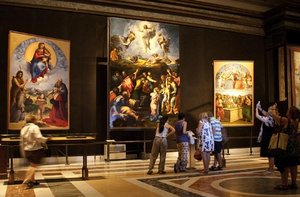 바티칸 핀코테카 |
바티칸 시티 | 1 | Rest during the Flight to Egypt |
이 컬렉션에 포함된 Francesco Mancini의 연도별 작품은 1712년부터 1718년까지 단 7년 동안의 활동을 다루며, 이곳에서 연도별로 요약된 짧은 경력을 확인할 수 있습니다.
연도를 선택하여 원작을 확인해 보세요.
Portrait of a Young Man (1718), 바이에른 주립 회화 컬렉션, 뮌헨. 다음은 Church annihilates pagan gods (1712)와 Rest during the Flight to Egypt입니다.
39세: Portrait of a Young Man은(는) 1718년 작품이며, Francesco Mancini은(는) 1679년에 태어났습니다.
저희 카탈로그에는 1712년부터 1718년 사이의 Francesco Mancini 작가의 작품 3점이 수록되어 있습니다.
대부분 바이에른 주립 회화 컬렉션 (뮌헨) 및 바티칸 핀코테카 (바티칸 시티)에 소장되어 있습니다. 위의 박물관 목록에서 전체 목록을 확인하실 수 있습니다.
이 페이지에서 가장 오래된 작품은 Church annihilates pagan gods (1712)이며, 가장 최근 작품은 Portrait of a Young Man (1718)입니다.
Born in the ancient, stone-carved landscape of Matera around 1679, Francesco Mancini emerged as a luminous voice within the dramatic tapestry of the Neapolitan Baroque. His early life was shaped by the profound spiritual atmosphere of Southern Italy, a setting that would later infuse his canvases with an unmistakable sense of piety and grace. Under the tutelage of Antonino Bonaccersi in Acireale, Mancini mastered the foundational classical principles of composition and form, yet it was his subsequent journey to the prestigious Academy of Fine Arts in Naples that truly ignited his artistic soul. Immersed in the teachings of the Morelli school, he learned to look beyond mere representation, seeking instead a nuanced depiction of natural phenomena through meticulous observation and an acute sensitivity to the shifting qualities of light.
Mancini’s artistry is defined by a delicate balance between the theatrical grandeur of the Baroque era and a burgeoning, quiet realism. While many of his contemporaries sought to overwhelm the viewer with opulent ornamentation and sweeping, idealized figures, Mancini found beauty in the subtle. He cultivated a distinctive palette of subdued tones, using chiaroscuro not merely for dramatic effect, but to breathe life into the textures of the Sicilian coastline and the solemnity of religious subjects. His landscapes, particularly those capturing the rugged elegance of the Mediterranean, serve as a testament to his ability to manipulate light to convey deep emotion, turning a simple seascape or a rain-swept path into a profound meditation on the natural world.
The evolution of Mancini’s style was significantly enriched by his transformative travels. His period in Rome during the late 1800s allowed him to absorb the intellectual and artistic vitality of the papal city, exposing him to a wider breadth of classical influences. This era of exploration is reflected in his celebrated works such as “Da Vietri ad Amalfi” and “Pioggia,” where the atmospheric conditions of the Italian landscape are rendered with breathtaking accuracy. These paintings do more than document scenery; they capture the very essence of a moment, utilizing light to illuminate form and evoke a sense of tranquil nostalgia.
Upon returning to his roots in Acireale, Mancini became a prolific contributor to the cultural and religious fabric of the region. His legacy is etched into the very architecture of Sicilian churches and civic buildings, where his paintings served as windows into the divine. His work often bridged the gap between the earthly and the celestial, as seen in masterpieces like Rest during the Flight to Egypt, where the devotional light guides the viewer through a sacred narrative. Through his commitment to capturing the true essence of his subjects—whether a coastal vista or a holy figure—Mancini secured his place as a master of atmospheric storytelling.
The enduring significance of Francesco Mancini lies in his ability to harmonize the monumental with the intimate. His contributions to the Neapolitan Baroque movement provided a necessary counterpoint to the era's more aggressive theatricality, offering instead a vision of beauty rooted in truth and light. Today, his works remain vital touchstones for understanding the intersection of landscape, faith, and the mastery of light in 18th-century Italian art.