

1

Aeneas Carrying His Father Anchises and the Penates, Followed by the Young Ascanius
This group is inspired by Virgil’s epic

11월 2026 업데이트 · 인기 점수 기준 순위 (각 작품의 검색, 방문 및 주문 수) · 11점의 Filippo Parodi 작품 (당사 카탈로그 기준)
요약하자면
갤러리가 선정한 Filippo Parodi의 가장 유명한 작품은 Aeneas Carrying His Father Anchises and the Penates, Followed by the Young Ascanius (1661)이며, 원작은 리스본의 Calouste Gulbenkian Foundation에 전시되어 있습니다. Adonis (1680)와 Immaculate Conception (1700)가 더해져 누구나 한눈에 알아볼 수 있는 완벽한 트리오를 완성합니다. Filippo Parodi의 작품 11점 중, 갤러리는 가장 유명한 11점을 아래와 같이 소개합니다. 각 작품은 제작 연도, 소장 미술관 및 작품의 특징을 포함한 독창적인 원작입니다.
This group is inspired by Virgil’s epic



이 페이지에 있는 작품을 가장 많이 소장하고 있는 6개의 미술관
| 소장 미술관 | 도시 | Filippo Parodi의 작품 | 이 목록의 작품들 |
|---|---|---|---|
 Galleria di Palazzo Reale |
제노바 | 5 | Adonis, Venus, Hyacinth |
 리히텐슈타인 박물관 |
비엔나 | 2 | Allegory of Vice, Allegory of Virtue |
 Calouste Gulbenkian Foundation |
리스본 | 1 | Aeneas Carrying His Father Anchises and the Penates, Followed by the Young Ascanius |
 San Luca |
Genova | 1 | Immaculate Conception |
 Santa Maria della Cella |
Genova | 1 | Immaculate Conception |
 Biennale Internazionale dell'Antiquariato di Firenze |
피렌체 | 1 | Virgin and Child |
그 시대를 정의하는 오리지널 작품을 만나보려면 연대를 선택하세요.
This group is inspired by Virgil’s epic
Aeneas Carrying His Father Anchises and the Penates, Followed by the Young Ascanius (1661), Calouste Gulbenkian Foundation, 리스본. 다음은 Adonis (1680)와 Immaculate Conception (1700)입니다.
31세: Aeneas Carrying His Father Anchises and the Penates, Followed by the Young Ascanius은(는) 1661년 작품이며, Filippo Parodi은(는) 1630년에 태어났습니다.
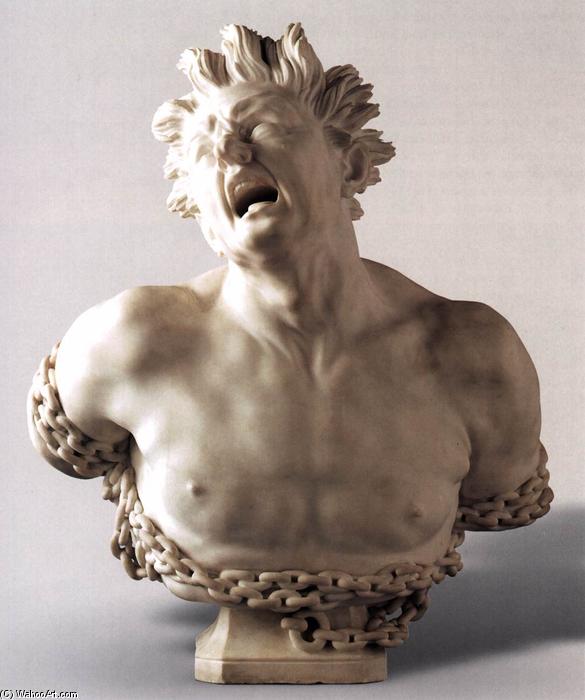
Aeneas Carrying His Father Anchises and the Penates, Followed by the Young Ascanius, Adonis, Immaculate Conception, Immaculate Conception, Venus, Hyacinth, Clytie, Christ at the Column, Allegory of Vice 및 Allegory of Virtue. 위 순위는 각 작품의 제작 연도와 소장 박물관을 나타냅니다.
저희 카탈로그에는 1660년부터 1700년 사이의 Filippo Parodi 작가의 작품 11점이 수록되어 있습니다.
대부분 Galleria di Palazzo Reale (제노바), 리히텐슈타인 박물관 (비엔나) 및 Calouste Gulbenkian Foundation (리스본)에 소장되어 있습니다. 위의 박물관 목록에서 전체 목록을 확인하실 수 있습니다.
1680s 동안: 이 페이지의 총 11점의 작품 중 6점이 해당 시기에 제작되었으며, 그중 Adonis점입니다.
이 페이지에서 가장 오래된 작품은 Immaculate Conception (1660)이며, 가장 최근 작품은 Immaculate Conception (1700)입니다.
Adonis, Venus 및 Hyacinth: Galleria di Palazzo Reale, 제노바은(는) 이 페이지에 있는 작품 중 5점을 소장하고 있습니다.
Filippo Parodi stands as a monumental figure in the history of Genoese Baroque sculpture, a master who earned the enduring title of Gemma’s first and greatest native sculptor. Born in 1630 into a lineage deeply rooted in artistic craftsmanship, Parodi was destined for the chisel. His father, Giovanni Battista, was a respected woodcarver, and it was within the intimate, sawdust-filled atmosphere of the family workshop that Filippo first learned to breathe life into raw material. This early immersion in the delicate intricacies of wood carving gifted him with an extraordinary sensitivity to form and texture—a foundational skill that would later allow him to transition seamlessly from the warmth of timber to the cold, commanding elegance of marble and the fluid grace of stucco.
The trajectory of Parodi’s career was irrevocably altered by his transformative journey to Rome. Between 1655 and 1661, he secured an apprenticeship within the studio of Gian Lorenzo Bernini, the undisputed titan of the Baroque era. To work under Bernini was to witness the very pinnacle of dramatic composition and technical virtuosity. Through this immersive experience, Parodi absorbed the secrets of movement, light, and theatricality that defined the Roman High Baroque. Yet, his artistic vision was not merely a mirror of his master; he also drew profound stylistic cues from the works of Algardi and Ercole Ferrata, synthesizing these diverse influences into a unique aesthetic language that blended Roman grandeur with a distinct Genoese sensibility.
Upon his return to Genoa in the mid-1670s, Parodi did not merely return as a student, but as a master capable of reshaping the city's visual landscape. His arrival coincided with a period of intense artistic ferment, and he quickly became a central figure in the local creative community. The sculptor’s ability to manipulate different media allowed him to dominate both large-scale architectural decorations and intimate, emotive busts. His work often captured the tension between the physical weight of stone and the ethereal lightness of divine grace, a hallmark of the Baroque spirit.
The significance of Parodi's contribution extends far beyond his individual masterpieces; he established a standard of excellence that influenced generations of Ligurian artists. His career was marked by several key achievements:
As we look upon the enduring works of Filippo Parodi, we see more than just stone and pigment; we see the triumph of a native talent who took the lessons of Rome and used them to crown his home city with splendor. His life, spanning from 1630 until his death in 1702, remains a testament to the power of tradition meeting innovation, leaving behind a sculptural heritage that continues to captivate the soul of Genoa.
