


1


11월 2026 업데이트 · 인기 점수 기준 순위 (각 작품의 검색, 방문 및 주문 수) · 4점의 Ferdinand Chaigneau 작품 (당사 카탈로그 기준)
요약하자면
Ferdinand Chaigneau가 남긴 모든 원작 중 가장 유명한 작품은 맨체스터의 맨체스터 미술관에 소장된 Sheep (1885)입니다. 그 뒤를 이어 Sheep Grazing in the Evening Light (1850)와 Shepherd and His Flock (1850)가 뒤를 잇습니다. Ferdinand Chaigneau의 작품 4점을 보유하고 있습니다. 갤러리는 세계가 가장 찬사하는 4점을 엄선하여 각 작품의 제작 연도, 소장 미술관 및 작품에 담긴 이야기를 함께 소개합니다.
이 페이지에 있는 작품을 가장 많이 소장하고 있는 1개의 미술관
| 소장 미술관 | 도시 | Ferdinand Chaigneau의 작품 | 이 목록의 작품들 |
|---|---|---|---|
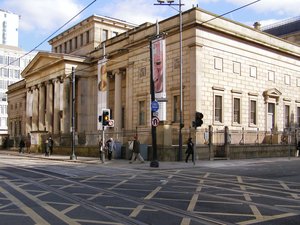 맨체스터 미술관 |
맨체스터 | 2 | Sheep, Sheep on the Cliff |
1850년부터 1885년까지, Ferdinand Chaigneau 작가는 36년 동안 활동했습니다. 이 컬렉션은 작가의 긴 여정을 따라 가장 뛰어난 원작들을 연도별로 엄선한 것입니다.
연도를 선택하여 원작을 확인해 보세요.

Sheep (1885), 맨체스터 미술관, 맨체스터. 다음은 Sheep Grazing in the Evening Light (1850)와 Shepherd and His Flock (1850)입니다.
55세: Sheep은(는) 1885년 작품이며, Ferdinand Chaigneau은(는) 1830년에 태어났습니다.
저희 카탈로그에는 1850년부터 1885년 사이의 Ferdinand Chaigneau 작가의 작품 4점이 수록되어 있습니다.
대부분 맨체스터 미술관 (맨체스터)에 소장되어 있습니다. 위의 박물관 목록에서 전체 목록을 확인하실 수 있습니다.
1850 동안: 이 페이지의 총 4점의 작품 중 2점이 해당 시기에 제작되었으며, 그중 Sheep Grazing in the Evening Light점입니다.
이 페이지에서 가장 오래된 작품은 Sheep Grazing in the Evening Light (1850)이며, 가장 최근 작품은 Sheep (1885)입니다.
Sheep 및 Sheep on the Cliff: 맨체스터 미술관, 맨체스터은(는) 이 페이지에 있는 작품 중 2점을 소장하고 있습니다.
Born in Bordeaux to Victorine Goethals and Jean-Frédéric Marius Chaigneau, Jean-Ferdinand Chaigneau began his life far from the quiet forests that would later define his soul. His early years were shaped by the guidance of his grandfather, a collector who nurtured a young eye for beauty. At nineteen, he moved toward the heart of the French art world, enrolling in the École des Beaux-Arts in Paris. There, he labored in the studios of masters like François-Édouard Picot and Léon Coignet, learning the rigorous discipline of the academic tradition. His early works, such as Souvenirs des Environs de Bordeaux, first appeared at the Salon in 1848, reflecting a young man still tethered to the formal structures of his training.
A profound shift occurred when he turned his gaze away from historical narratives and toward the living, breathing earth. Influenced heavily by Jacques Raymond Brascassat, Chaigneau found a new calling in the depiction of animals and the quietude of the landscape. This transformation led him to the village of Barbizon in 1858, where he established his home, La Bergerie. In this verdant setting, he moved among the great figures of the Barbizon School, finding kinship with Charles Jacque. It was here that his hand found its true purpose, capturing the tender, gray light and the intimate atmosphere of the countryside.
Chaigneau earned a particular affection from those who watched him work, receiving the nickname le Raphael des moutons. He possessed a singular talent for placing flocks of sheep within the plains of Chailly, using them to anchor his compositions with a sense of life and movement. His skill was not confined to the brush alone; he became an accomplished engraver and etcher, producing works like the twelve original etchings in Voyage autour de Barbizon. Through the medium of etching, he could explore the textures of the landscape with a precision that complemented his oil paintings.
His life was deeply intertwined with the natural world and his family. His home was a place of artistic gathering, and his children grew up surrounded by the scents of paint and the quiet industry of the studio. His daughter Suzanne became a noted violinist, while his son Charles-Paul followed in his father's footsteps, producing pastoral scenes of a similar spirit. When he passed away in Barbizon, he left behind a body of work that moved away from the mythologized past toward an unidealized, honest representation of nature. His etchings and paintings remain held in collections ranging from the Musée d'Orsay in Paris to the National Gallery of Canada.


