Fairlie Harmar의 초상화

갤러리 엄선, 가장 유명한 Fairlie Harmar 작품 18선

10월 2026 업데이트 · 인기 점수 기준 순위 (각 작품의 검색, 방문 및 주문 수) · 18점의 Fairlie Harmar 작품 (당사 카탈로그 기준)

요약하자면

Fairlie Harmar가 남긴 모든 원작 중 가장 유명한 작품은 버밍엄의 버밍엄 미술관에 소장된 After A Game Of Tennis (1923)입니다. 그 뒤를 이어 St Giles, Oxford와 The Bridge at Monxton (1916)가 뒤를 잇습니다. Fairlie Harmar의 작품 18점을 보유하고 있습니다. 갤러리는 세계가 가장 찬사하는 18점을 엄선하여 각 작품의 제작 연도, 소장 미술관 및 작품에 담긴 이야기를 함께 소개합니다.

1876 – 1945, Weymouth 최다 소장처: Wolverhampton Art Gallery

Fairlie Harmar의 베스트 작품 10선: 갤러리 선정

Fairlie Harmar 컬렉션이 계속됩니다, 11부터 18까지

Fairlie Harmar의 시선을 사로잡은 주제들

이 오리지널 작품들에서 가장 자주 등장하는 네 가지 주제와 그 정수를 보여주는 대표작들.

Fairlie Harmar의 원작을 소장하고 있는 미술관

이 페이지에 있는 작품을 가장 많이 소장하고 있는 5개의 미술관

소장 미술관 도시 Fairlie Harmar의 작품 이 목록의 작품들
Wolverhampton Art Gallery, 울버햄튼Wolverhampton Art Gallery 울버햄튼 2 Ships on the Thames, Flowers
버밍엄 미술관, 버밍엄버밍엄 미술관 버밍엄 1 After A Game Of Tennis
워커 아트 갤러리, 리버풀워커 아트 갤러리 리버풀 1 The Bridge at Monxton
애슈몰린 미술관, 옥스퍼드애슈몰린 미술관 옥스퍼드 1 The Laurel Walk
Darlington Library, DarlingtonDarlington Library Darlington 1 Chibbet, Exmoor, Somerset

Fairlie Harmar의 시대별 걸작: 시대를 정의하는 오리지널 작품들

연대별 작품 수

그 시대를 정의하는 오리지널 작품을 만나보려면 연대를 선택하세요.

Fairlie Harmar의 작품에 관한 컬렉터들의 질문

Fairlie Harmar의 가장 대표적인 작품은 무엇인가요?정답 확인하기

After A Game Of Tennis (1923), 버밍엄 미술관, 버밍엄. 다음은 St Giles, Oxford와 The Bridge at Monxton (1916)입니다.

After A Game Of Tennis이(가) 제작되었을 당시 Fairlie Harmar의 나이는 몇 살이었나요?정답 확인하기

47세: After A Game Of Tennis은(는) 1923년 작품이며, Fairlie Harmar은(는) 1876년에 태어났습니다.

Fairlie Harmar의 가장 유명한 작품 10가지는 무엇인가요?정답 확인하기

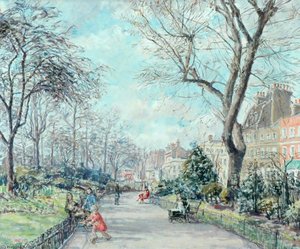
After A Game Of Tennis, St Giles, Oxford, The Bridge at Monxton, The Laurel Walk, Women's Royal Air Force Workers Drilling at Andover Aerodrome, Birthday Celebration, Garden Gate, L'Aveyron, Cheyne Walk Gardens 및 Sarson Farm, Early Spring. 위 순위는 각 작품의 제작 연도와 소장 박물관을 나타냅니다.

Fairlie Harmar 작가가 남긴 작품은 몇 점인가요?정답 확인하기

저희 카탈로그에는 1912년부터 1938년 사이의 Fairlie Harmar 작가의 작품 18점이 수록되어 있습니다.

Fairlie Harmar의 걸작은 어느 박물관에 전시되어 있나요?정답 확인하기

대부분 Wolverhampton Art Gallery (울버햄튼), 버밍엄 미술관 (버밍엄) 및 워커 아트 갤러리 (리버풀)에 소장되어 있습니다. 위의 박물관 목록에서 전체 목록을 확인하실 수 있습니다.

Fairlie Harmar의 가장 유명한 작품들은 어느 연도에 그려졌나요?정답 확인하기

1920s 동안: 이 페이지의 총 18점의 작품 중 4점이 해당 시기에 제작되었으며, 그중 After A Game Of Tennis점입니다.

Fairlie Harmar의 첫 번째와 마지막 유명 원작은 무엇인가요?정답 확인하기

이 페이지에서 가장 오래된 작품은 The Laurel Walk (1912)이며, 가장 최근 작품은 Cheyne Walk Gardens (1938)입니다.

Wolverhampton Art Gallery에는 어떤 Fairlie Harmar의 작품이 전시되어 있나요?정답 확인하기

Ships on the Thames 및 Flowers: Wolverhampton Art Gallery, 울버햄튼은(는) 이 페이지에 있는 작품 중 2점을 소장하고 있습니다.

Fairlie Harmar: 생애와 작품 세계

Fairlie Harmar (1876–1945): A Painter of Quiet Landscapes and Intimate Portraits

Fairlie Harmar (1876-1945) was an English painter who quietly established herself as a significant figure in early 20th-century British art. Born in Weymouth, Dorset, she pursued her artistic ambitions at the Slade School of Fine Art under the tutelage of Henry Tonks and Fred Brown—a formative experience that instilled in her a meticulous approach to observation and representation. Her oeuvre is characterized by evocative landscapes imbued with subtle tonal harmonies alongside delicately rendered portraits capturing fleeting moments of human emotion. Harmar’s work offers a poignant glimpse into the domestic life and artistic sensibilities of her era, reflecting both Impressionistic influences and a deep connection to the natural world.
  • Early Life & Education: Fairlie Harmar's formative years were spent in Weymouth, Dorset, where she absorbed the beauty of the coastal landscape—a visual element that would permeate much of her subsequent artistic output. Her studies at the Slade School of Fine Art provided her with invaluable technical skills and intellectual grounding, fostering a disciplined eye for detail and composition.
  • Style & Technique: Harmar’s distinctive style leaned heavily towards Impressionism, prioritizing capturing atmospheric conditions and conveying subjective experience rather than striving for photographic accuracy. She skillfully employed muted palettes—often dominated by greens, blues, and browns—to evoke mood and atmosphere, layering brushstrokes to create textured surfaces that subtly shimmered with light.
  • Notable Works: Among Harmar’s most celebrated paintings are “A la Chaumière” (1928), a luminous depiction of a Parisian apartment interior bathed in diffused sunlight, and “St Giles, Oxford” (1920), which captures the serene grandeur of Oxford University Chapel. These pieces exemplify her ability to distill complex emotions into simple visual forms—a hallmark of her artistic vision.
  • Influences & Connections: Harmar’s artistic sensibilities were undoubtedly shaped by the broader intellectual currents of her time, including discussions surrounding Symbolism and Modernism. Her association with Ezra Pound and fellow artists fostered a stimulating environment for experimentation and critical engagement.
  • Legacy & Recognition: Fairlie Harmar's contribution to British art history is recognized through inclusion in prominent collections such as the Ashmolean Museum and the Royal Collection, where her paintings continue to inspire admiration for their understated beauty and psychological depth. Her work stands as a testament to the power of quiet observation and skillful execution—qualities that resonate powerfully with viewers today.

Exploring Landscapes & Domestic Interiors

Harmar’s landscapes frequently depict tranquil scenes of Dorset countryside, capturing the subtle shifts in light and color throughout the seasons. She meticulously rendered details—such as foliage textures and reflections on water surfaces—to convey a profound sense of place. Simultaneously, her portraits delve into the inner lives of her subjects, portraying them with sensitivity and empathy. These intimate depictions reveal nuanced expressions of emotion and capture fleeting moments of human connection. Her ability to translate psychological states onto canvas solidified her reputation as one of Britain’s foremost portrait artists.

The Royal Collection & Artistic Patronage

Fairlie Harmar’s artistic achievements gained considerable recognition when she secured a place within the Royal Collection—a prestigious honor bestowed upon artists whose work embodies excellence and reflects the spirit of their time. Notably, she smuggled in drawing paper to create sketches for a painting that was subsequently acquired by King George VI. This episode underscores Harmar's unwavering dedication to her craft and her commitment to artistic innovation.

Further Information & Resources

For more detailed biographical information and scholarly analyses of Fairlie Harmar’s life and work, consult the Ashmolean Museum Complete Illustrated Catalogue of Paintings (Art UK) and explore online resources dedicated to Modern British Art.