Edgar Alwin Payne의 초상화

Edgar Alwin Payne 회화: 갤러리의 시선으로 선별한 가장 유명한 작품 20선

11월 2026 업데이트 · 인기 점수 기준 순위 (각 작품의 검색, 방문 및 주문 수) · 20점의 Edgar Alwin Payne 작품 (당사 카탈로그 기준)

요약하자면

갤러리가 선정한 Edgar Alwin Payne의 대표작은 Canyon Mission Viejo입니다. Breton Fishermen, Concarneau와 Riders Passing Through가 더해져 누구나 한눈에 알아볼 수 있는 완벽한 트리오를 완성합니다. Edgar Alwin Payne의 작품 20점 중, 갤러리는 가장 유명한 20점을 아래와 같이 소개합니다. 각 작품은 제작 연도, 소장 미술관 및 작품의 특징을 포함한 독창적인 원작입니다.

1883 – 1947, Barry County Impressionism 최다 소장처: 인디애나폴리스 미술관 (Indianapolis Museum of Art)

갤러리 베스트 10 Edgar Alwin Payne 작품

11위부터 20위까지의 Edgar Alwin Payne 작품

Edgar Alwin Payne의 시선을 사로잡은 주제들

이 오리지널 작품들에서 가장 자주 등장하는 네 가지 주제와 그 정수를 보여주는 대표작들.

Edgar Alwin Payne의 원작을 소장하고 있는 미술관

이 페이지에 있는 작품을 가장 많이 소장하고 있는 1개의 미술관

소장 미술관 도시 Edgar Alwin Payne의 작품 이 목록의 작품들
인디애나폴리스 미술관 (Indianapolis Museum of Art), 인디애나폴리스인디애나폴리스 미술관 (Indianapolis Museum of Art) 인디애나폴리스 1 The Restless Sea

Edgar Alwin Payne, 매년 선보이는 대표작

이 페이지에 있는 Edgar Alwin Payne의 모든 원화는 1916년에 제작되었습니다. 가장 유명한 작품부터 차례대로 만나보세요.

연도별 작품 수

연도를 선택하여 원작을 확인해 보세요.

Edgar Alwin Payne의 작품: 갤러리의 해답

Edgar Alwin Payne의 작품 중 가장 유명한 작품은 무엇인가요?정답 확인하기

Canyon Mission Viejo. 다음은 Breton Fishermen, Concarneau와(과) Riders Passing Through입니다.

Edgar Alwin Payne의 대표작 10점은 무엇인가요?정답 확인하기

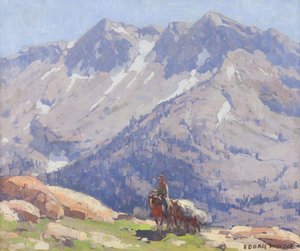
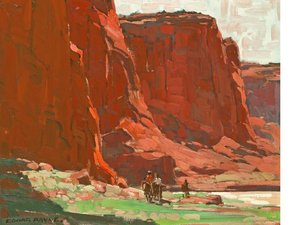
Canyon Mission Viejo, Breton Fishermen, Concarneau, Riders Passing Through, Indians Riding through the Canyon de Chelly (A Turn in the Canyon de Chelly), The Restless Sea, Temple Crag, The Topmost Peak, Altadena Dawn, View At Sabrina Lake 및 Mountains At Sunset. 위 순위는 각 작품의 제작 연도와 소장 박물관을 나타냅니다.

Edgar Alwin Payne의 작품은 몇 점인가요?정답 확인하기

저희 카탈로그에는 Edgar Alwin Payne의 작품 20점이 있습니다.

Edgar Alwin Payne의 가장 유명한 원작들은 어디에 전시되어 있을까요?정답 확인하기

대부분 인디애나폴리스 미술관 (Indianapolis Museum of Art) (인디애나폴리스)에 소장되어 있습니다. 위의 박물관 목록에서 전체 목록을 확인하실 수 있습니다.

Edgar Alwin Payne 작가가 가장 자주 다룬 주제는 무엇인가요?정답 확인하기

이 페이지의 20점의 작품에 걸쳐 있는 Mountains (4), Coastal scene (2) 및 Horseback riders (2)

Edgar Alwin Payne은(는) 어떤 미술 사조에 속해 있나요?정답 확인하기

이 페이지의 원작들을 기준으로 볼 때, Impressionism

Edgar Alwin Payne: 작가

A Pioneer of Sierra Nevada Impressionism

Edgar Alwyn Payne (1883 – 1947) stands as a singular figure in American landscape painting, particularly renowned for his evocative depictions of the Sierra Nevada mountains and his contributions to Southwestern mural art. Born near Cassville, Missouri—a region steeped in Ozark folklore and rugged beauty—Payne’s early life instilled within him an adventurous spirit that would propel him across continents before establishing himself as a celebrated artist. His formative years were marked by extensive travel, beginning with youthful explorations of Europe and continuing through expeditions to Mexico and Canada, fostering a profound appreciation for diverse cultures and artistic traditions. However, it was the American West—specifically California—that irrevocably captured his imagination and became the primary focus of his creative endeavors.

Early Influences & Artistic Training

Payne’s artistic journey commenced with carpentry apprenticeships in Arkansas, providing him with practical skills alongside an early exposure to visual arts. Recognizing his talent, he enrolled at the Art Institute of Chicago at a young age, albeit briefly abandoning formal instruction for self-directed study—a decision that proved pivotal in shaping his distinctive style. Rejecting the rigid academic conventions prevalent at the time, Payne embraced Impressionism’s emphasis on capturing fleeting moments of light and color, mirroring the influence of artists like Claude Monet and Camille Pissarro. This approach was further honed through experimentation with plein air painting—working directly from nature—a technique championed by luminaries such as John Muir and Ansel Adams, cementing his connection to the grandeur of the American wilderness.

The California Years & Artistic Style

California became Payne’s artistic sanctuary in 1909, where he spent considerable time honing his craft at Laguna Beach and immersing himself in the burgeoning San Francisco art scene. He befriended fellow artist Elsie Palmer, forging a relationship that blossomed into marriage—a testament to his personal conviction and artistic ambition. Returning to Illinois in 1911, Payne found Palmer pursuing her own artistic pursuits, symbolizing the reciprocal inspiration inherent in their partnership. His paintings are characterized by luminous color palettes, loose brushstrokes, and an acute sensitivity to atmospheric conditions—elements that convey not merely visual representation but also emotional resonance. He skillfully employed techniques like glazing and impasto to build up textured surfaces, capturing the essence of geological formations and conveying a palpable sense of movement.

Major Achievements & Legacy

Payne’s prolific output encompassed landscapes, portraits, murals, and theater designs—demonstrating his versatility as an artist. His monumental murals adorning buildings in Santa Fe and Albuquerque stand as enduring symbols of Southwestern artistic heritage. Notably, “Indians Riding Through Canyon de Chelly” (1908), commissioned by the Navajo Nation, remains a seminal work capturing the spirit of Native American culture and the dramatic landscapes of Arizona. Payne’s paintings—particularly his Sierra Nevada series—are held in prestigious collections worldwide and continue to inspire artists today. His unwavering devotion to plein air painting and his masterful rendering of light and color solidified his place as one of America's foremost Impressionist landscape painters, leaving an indelible mark on the history of American art.