1


11월 2026 업데이트 · 인기 점수 기준 순위 (각 작품의 검색, 방문 및 주문 수) · 15점의 Dora Altounyan 작품 (당사 카탈로그 기준)
요약하자면
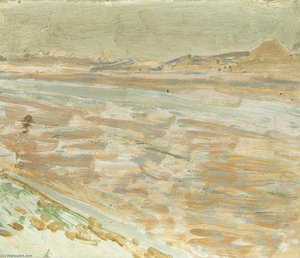
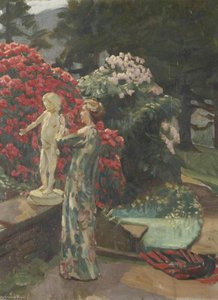
갤러리가 선정한 Dora Altounyan의 가장 유명한 작품은 Mountains and Valleys Foothills of the Amanus이며, 원작은 켄달의 Abbot Hall Art Gallery에 전시되어 있습니다. Church – Notre Dame (1911)와 Plein air (1914)가 더해져 누구나 한눈에 알아볼 수 있는 완벽한 트리오를 완성합니다. Dora Altounyan의 작품 15점 중, 갤러리는 가장 유명한 11점을 아래와 같이 소개합니다. 각 작품은 제작 연도, 소장 미술관 및 작품의 특징을 포함한 독창적인 원작입니다.


이 페이지에 있는 작품을 가장 많이 소장하고 있는 2개의 미술관
| 소장 미술관 | 도시 | Dora Altounyan의 작품 | 이 목록의 작품들 |
|---|---|---|---|
 Abbot Hall Art Gallery |
켄달 | 7 | Mountains and Valleys Foothills of the Amanus, Church – Notre Dame, Plein air |
 National Trust |
Wareham | 2 | Stretches of the River Euphrates Looking North from Jerabulus Ferry, Stretches of the River Euphrates Looking South in the Afternoon |
Dora Altounyan의 예술 세계 27년, 1911부터 1937까지: 각 시대를 대표하는 가장 유명한 원작들을 통해 연도별로 아티스트의 발자취를 따라갑니다.
연도를 선택하여 원작을 확인해 보세요.
1932의 더 많은 작품
Mountains and Valleys Foothills of the Amanus, Abbot Hall Art Gallery, 켄달. 다음은 Church – Notre Dame (1911)와 Plein air (1914)입니다.
Mountains and Valleys Foothills of the Amanus, Church – Notre Dame, Plein air, Barbara Collingwood Reading Casualties, Stretches of the River Euphrates Looking North from Jerabulus Ferry, Stretches of the River Euphrates Looking South in the Afternoon, View of Chagar Bazaar, Syria, Sunset, Agatha Christie (1890–1976), Seated, Surrounded by Objects, Sea of Galilee 및 Arthur Ransome (1884–1967). 위 순위는 각 작품의 제작 연도와 소장 박물관을 나타냅니다.
저희 카탈로그에는 1911년부터 1937년 사이의 Dora Altounyan 작가의 작품 15점이 수록되어 있습니다.
대부분 Abbot Hall Art Gallery (켄달) 및 National Trust (Wareham)에 소장되어 있습니다. 위의 박물관 목록에서 전체 목록을 확인하실 수 있습니다.
1932 동안: 이 페이지의 총 11점의 작품 중 2점이 해당 시기에 제작되었으며, 그중 Stretches of the River Euphrates Looking North from Jerabulus Ferry점입니다.
이 페이지에서 가장 오래된 작품은 Church – Notre Dame (1911)이며, 가장 최근 작품은 View of Chagar Bazaar, Syria, Sunset (1937)입니다.
Mountains and Valleys Foothills of the Amanus, Church – Notre Dame 및 Plein air: Abbot Hall Art Gallery, 켄달은(는) 이 페이지에 있는 작품 중 7점을 소장하고 있습니다.
Dora Altounyan (1886-1964) was more than just a painter; she was an explorer of landscapes, a chronicler of cultures, and a remarkably consistent voice in the world of watercolor during the late 19th and early 20th centuries. Born in Syria to Armenian parents, her life unfolded across Europe and the Middle East, profoundly shaping her artistic perspective and fueling a deep fascination with the region’s diverse beauty and complex social fabric. Altounyan's work stands apart not merely for its technical skill – though undeniably impressive – but for its quiet observation, nuanced understanding of light and color, and an ability to capture the essence of a place and its people.
Her early life was marked by a privileged upbringing within a cosmopolitan environment. Educated primarily at home, she received instruction in drawing and painting from her mother, a talented artist herself. This foundation proved crucial as she embarked on a journey of artistic self-discovery that took her through Europe, culminating in a prolonged period of residence in Syria during the early 20th century. It was here, amidst the ancient ruins, bustling marketplaces, and vast landscapes of the Middle East, that Altounyan truly found her voice. She wasn’t simply documenting scenery; she sought to understand the lives intertwined with it – the farmers tending their fields, the merchants trading goods, the women engaged in daily rituals.
Altounyan's artistic development was significantly influenced by two major movements: Impressionism and Orientalism. The Impressionist emphasis on capturing fleeting moments of light and color resonated deeply with her approach to landscape painting. She skillfully employed broken brushstrokes, vibrant hues, and a focus on atmospheric effects to convey the warmth of the sun, the coolness of shade, and the ever-changing quality of light in the Middle Eastern environment. Simultaneously, she was drawn to the Orientalist movement, which depicted scenes from the East – often romanticized or exoticized – through European eyes. However, unlike many of her contemporaries, Altounyan resisted simplistic stereotypes. Instead, she presented a more grounded and empathetic portrayal of the people and places she encountered, revealing their dignity and resilience.
Her travels provided an unparalleled opportunity to study local color palettes and techniques. She meticulously observed how light interacted with different surfaces – the rough texture of stone walls, the shimmering surface of water, the vibrant hues of textiles. This dedication to detail is evident in her paintings, which are characterized by a remarkable sensitivity to nuance and a deep appreciation for the beauty of everyday life.
Among Altounyan’s most celebrated works are her depictions of the Euphrates River, particularly “Stretches of the River Euphrates Looking North from Jerabulus Ferry.” This painting exemplifies her ability to capture the grandeur of the landscape while simultaneously conveying a sense of human presence. Other notable pieces include portraits of prominent figures like Agatha Christie and Barbara Collingwood, showcasing her skill in capturing personality and emotion through subtle gestures and expressions. Her subjects weren’t merely rendered; they were imbued with a quiet dignity and an air of contemplative serenity.
Recurring themes in Altounyan's work include the passage of time, the relationship between humanity and nature, and the enduring spirit of the people she depicted. She frequently painted scenes of rural life, capturing the rhythms of daily routines and the simple pleasures of existence. Her landscapes are not merely picturesque; they are imbued with a sense of history and memory, reflecting the long and complex story of the region.
Despite facing challenges as an Armenian woman working in a predominantly male-dominated art world, Dora Altounyan persevered, establishing herself as a respected artist known for her distinctive style and unwavering commitment to her subject matter. Her work offers a valuable window into the cultural landscape of the early 20th century Middle East, providing insights into the lives of ordinary people and the beauty of a region often overlooked by Western art historians. Her paintings are now held in prominent collections, including those at Art UK and OriginalUniqueArt.com, ensuring that her artistic legacy continues to be appreciated for generations to come.
Altounyan’s contribution lies not just in her aesthetic achievements but also in her courageous exploration of a region often shrouded in mystery and misunderstanding. She was an artist who truly saw – and captured with remarkable skill and sensitivity – the heart and soul of the Middle East.