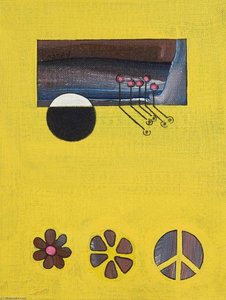
Bernie Casey의 초상화

세상에 단 하나뿐인, 가장 유명한 Bernie Casey 작품 31선

10월 2026 업데이트 · 인기 점수 기준 순위 (각 작품의 검색, 방문 및 주문 수) · 31점의 Bernie Casey 작품 (당사 카탈로그 기준)

요약하자면

Vulva Love (1968)은(는) Bernie Casey의 작품 중 가장 많은 관심을 받는 회화입니다. 그다음 시선은 The Casey Trees (1968)와 The Word Game (1968)로 향합니다. 우리 카탈로그에 수록된 Bernie Casey의 작품 31점 중, 가장 유명한 31점을 소개합니다. 각 작품은 제작 연도, 소장 박물관, 그리고 시대를 초월해 사랑받는 이유와 함께 독창적인 원작으로 제시됩니다.

1939 – 2017 Abstract expressionism

갤러리의 시선으로 선정한 Bernie Casey의 명작 Top 10

Bernie Casey의 유명 작품, 11~31번

Bernie Casey의 시선을 사로잡은 주제들

이 오리지널 작품들에서 가장 자주 등장하는 네 가지 주제와 그 정수를 보여주는 대표작들.

Bernie Casey의 연대기: 각 작품의 독창적인 원화

여기에 표시된 모든 Bernie Casey의 원작은 1968년부터 1970년 사이, 3년에 걸쳐 제작되었습니다. 연도별 작품을 확인해 보세요.

Bernie Casey의 작품: 갤러리에 문의하기

Bernie Casey의 가장 대표적인 작품은 무엇인가요?정답 확인하기

Vulva Love (1968). 다음은 The Casey Trees (1968)와(과) The Word Game (1968)입니다.

Bernie Casey 작가는 몇 세에 Vulva Love을(를) 제작했을까요?정답 확인하기

29세: Vulva Love은(는) 1968년 작품이며, Bernie Casey은(는) 1939년에 태어났습니다.

Bernie Casey의 작품 중 가장 유명한 10가지 명작은 무엇인가요?정답 확인하기

Vulva Love, The Casey Trees, The Word Game, In Springtime Yesterday, So I Simply Said, If You Feel Up To It, An Excerpt From A Terry Tip, Trees.Precisely, Hommage To Jupiter And Mars 및 Nocturnal Wishings Bloom. 위 순위는 각 작품의 제작 연도와 소장 박물관을 나타냅니다.

Bernie Casey의 작품은 몇 점인가요?정답 확인하기

저희 카탈로그에는 1968년부터 1970년 사이의 Bernie Casey 작가의 작품 31점이 수록되어 있습니다.

Bernie Casey의 가장 유명한 작품들은 어느 시기에 제작되었나요?정답 확인하기

1968 동안: 이 페이지의 총 31점의 작품 중 22점이 해당 시기에 제작되었으며, 그중 Vulva Love점입니다.

Bernie Casey의 유명 작품 중 가장 먼저 그려진 작품과 가장 나중에 그려진 작품은 무엇인가요?정답 확인하기

이 페이지에서 가장 오래된 작품은 Vulva Love (1968)이며, 가장 최근 작품은 In The Moon's Middle (1970)입니다.

Bernie Casey 작가는 어떤 주제를 주로 다루었나요?정답 확인하기

이 페이지의 31점의 작품에 걸쳐 있는 Geometric design (3), Sunset landscape (2) 및 Landscape (2)

Bernie Casey의 작품은 어떤 미술 사조에 속하나요?정답 확인하기

이 페이지의 원작들을 기준으로 볼 때, Abstract expressionism

Bernie Casey: 작가의 초상화

A Symphony of Motion and Color

Bernie Casey’s life was a remarkable tapestry woven from the threads of physical prowess and profound creativity. Before he became a celebrated figure in the world of fine art, his presence was felt on the gridiron of the National Football League, where he played with legendary intensity for the Detroit Lions, San Francisco 49ers, and Los Angeles Rams. This early chapter of his life, defined by the rhythmic collision of athletes and the strategic dance of professional football, provided a unique foundation for his later artistic endeavors. The physicality of the sport—the explosive energy, the precision of movement, and the sheer stamina required—deeply informed his approach to the canvas. For Casey, painting was not merely a departure from his athletic career but an evolution of it, translating the kinetic energy of the field into the expressive gestures of Abstract Expressionism.

The Language of the Inner Landscape

As his creative journey unfolded during the mid-to-late 1960s, Casey emerged as a compelling voice within the movements of Abstract Expressionism and Lyrical Abstraction. Drawing inspiration from titans such as Jackson Pollock and Willem de Kooning, he embraced a technique that prioritized raw emotion over representational accuracy. His canvases became vibrant arenas where thick impasto and spontaneous brushstrokes collided with a palette often dominated by striking blues, reds, and yellows. In seminal works like The Afterthought of Dante’s Inferno, one can witness the palpable texture of his process, where layers of paint create a sense of psychological depth and movement. He sought to move beyond the literal, using geometric shapes and swirling forms to map out inner landscapes that spoke to universal human experiences.

His artistic vocabulary was built upon several key elements:
  • Dynamic Texture: The use of heavy impasto to create a three-dimensional, tactile experience on the canvas.
  • Emotional Color Palettes: A deliberate use of high-contrast hues to evoke feelings ranging from tranquility to intense passion.
  • Spontaneous Gesture: A commitment to the improvisational spirit, allowing the movement of the hand to dictate the composition.

Legacy and Social Resonance

Beyond the aesthetic allure of his work lies a profound social significance. Navigating the complexities of the Civil Rights era as an African American icon, Casey utilized his art to explore themes of love, peace, nature, and justice. His paintings served as windows into a broader struggle for human dignity, reflecting the tensions and triumphs of his time. While he simultaneously achieved fame as an actor in the 1970s blaxploitation genre, his commitment to the canvas remained a constant pursuit of truth. Through his ability to transcend the boundaries of race and physicality through abstraction, Bernie Casey left behind a legacy that continues to resonate, reminding us that art is a powerful medium for communicating the unspoken truths of the human spirit.