

1


11월 2026 업데이트 · 인기 점수 기준 순위 (각 작품의 검색, 방문 및 주문 수) · 35점의 Arnold Mason 작품 (당사 카탈로그 기준)
요약하자면
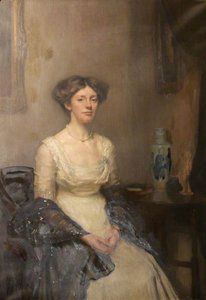
Thomas William Dampier Bide (1844–1916) (1909)은(는) Arnold Mason의 작품 중 가장 많은 시선을 사로잡는 회화이며, 원작은 Yeovil에 위치한 Museum of South Somerset에 소장되어 있습니다. 그다음 시선은 John Parkinson (1947)와 Olive Mary Wolryche Whitmore (1879–1951), Mrs Eustace Scott Hamilton Russell (1900)로 향합니다. 우리 카탈로그에 수록된 Arnold Mason의 작품 35점 중, 가장 유명한 34점을 소개합니다. 각 작품은 제작 연도, 소장 박물관, 그리고 시대를 초월해 사랑받는 이유와 함께 독창적인 원작으로 제시됩니다.

The John Parkinson painting by Arnold Mason is a stunning oil on canvas artwork that showcases the artist's exceptional skill in capturing the essence of his subject. Created in 1947, this painting measures 210 x 124 cm and is currently located at the Gravesham Borough Council in Gravesend, United Kingdom. The Artist and His Work Arnold Mason was a talented artist known for his attention to detail and ability to…


 Girl with a Hand Mirror1929
12
 Job Nixon (1891–1938)1932
13
 Portrait of a Woman1931 · The Resource Centre
14
 Red Ships at La Rochelle, France1930 · Alfred East Art Gallery
15
 Seated Nude1937
16
 Portrait of a Young Woman1934
17
 Alderman W. E. Thomas, Mayor of Gravesend (1921 1922)1941 · Gravesham Borough Council
18
 Elinor Glyn, née Sutherland1942
19
 Lady Eleanor Joan Clara Nathan (1892–1972)1948 · Guildhall Art Gallery
20
 Robert Palmer, VC1948 · Gravesham Borough Council
21Alderman J. Tennant1947 · 더 헤프워스 웨이크필드
22
 Gerald Harry Beloe, Master (1922), Treasurer (1932–1944)1944 · Merchants Hall
23
 Sir Henry Upcher (1870–1954), Chairman of Norfolk County Council (1941–1950)1950
24
 Brown Study1949
25
 Llanbedr, near Conway
26
 Miss ColeSalford Museum - Art Gallery
27
 Indian GirlAlfred East Art Gallery
28
 Port Scene
29
 Flower Piece
30
 River Scene
31
 The HousekeeperSalford Museum - Art Gallery
32
 BargesThe Brewhouse Arts Centre
33
 River Scene with a Bridge
34
 The Reverend Canon Frederick Llewellyn Hughes, CB, CBE, MC, TD, MA, KHC, Chaplain General to the King (1944–1951)
이 오리지널 작품들에서 가장 자주 등장하는 네 가지 주제와 그 정수를 보여주는 대표작들.
이 페이지에 있는 작품을 가장 많이 소장하고 있는 8개의 미술관
| 소장 미술관 | 도시 | Arnold Mason의 작품 | 이 목록의 작품들 |
|---|---|---|---|
 Museum of South Somerset |
Yeovil | 3 | Thomas William Dampier Bide (1844–1916), Mary Anne Whetham, née Dampier (b.1843), Elizabeth Dampier Bide (1838–1915) |
 Gravesham Borough Council |
Greenwich | 3 | John Parkinson, Alderman W. E. Thomas, Mayor of Gravesend (1921 1922), Robert Palmer, VC |
 Alfred East Art Gallery |
Kettering | 2 | Red Ships at La Rochelle, France, Indian Girl |
 Salford Museum - Art Gallery |
그레이터 맨체스터 | 2 | Miss Cole, The Housekeeper |
 The Resource Centre |
Newark | 1 | Portrait of a Woman |
 Guildhall Art Gallery |
런던 | 1 | Lady Eleanor Joan Clara Nathan (1892–1972) |
 더 헤프워스 웨이크필드 |
웨이크필드 | 1 | Alderman J. Tennant |
 Merchants Hall |
브리스틀 | 1 | Gerald Harry Beloe, Master (1922), Treasurer (1932–1944) |
그 시대를 정의하는 오리지널 작품을 만나보려면 연대를 선택하세요.

The John Parkinson painting by Arnold Mason is a stunning oil on canvas artwork that showcases the artist's exceptional skill in capturing the essence of his subject. Created in 1947, this painting measures 210 x 124 cm and is currently located at the Gravesham Borough Council in Gravesend, United Kingdom. The Artist and His Work Arnold Mason was a talented artist known for his attention to detail and ability to…

Thomas William Dampier Bide (1844–1916) (1909), Museum of South Somerset, Yeovil. 다음은 John Parkinson (1947)와 Olive Mary Wolryche Whitmore (1879–1951), Mrs Eustace Scott Hamilton Russell (1900)입니다.
24세: Thomas William Dampier Bide (1844–1916)은(는) 1909년 작품이며, Arnold Mason은(는) 1885년에 태어났습니다.
Thomas William Dampier Bide (1844–1916), John Parkinson, Olive Mary Wolryche Whitmore (1879–1951), Mrs Eustace Scott Hamilton Russell, Head of a Girl, Ibiza, Balearics, Lord Granville West (1904–1984), Head of a Child, Mary Anne Whetham, née Dampier (b.1843), Elizabeth Dampier Bide (1838–1915) 및 Quai Du Port, Martigues, France. 위 순위는 각 작품의 제작 연도와 소장 박물관을 나타냅니다.
저희 카탈로그에는 1900년부터 1950년 사이의 Arnold Mason 작가의 작품 35점이 수록되어 있습니다.
대부분 Museum of South Somerset (Yeovil), Gravesham Borough Council (Greenwich) 및 Alfred East Art Gallery (Kettering)에 소장되어 있습니다. 위의 박물관 목록에서 전체 목록을 확인하실 수 있습니다.
1940s 동안: 이 페이지의 총 34점의 작품 중 8점이 해당 시기에 제작되었으며, 그중 John Parkinson점입니다.
이 페이지에서 가장 오래된 작품은 Olive Mary Wolryche Whitmore (1879–1951), Mrs Eustace Scott Hamilton Russell (1900)이며, 가장 최근 작품은 Sir Henry Upcher (1870–1954), Chairman of Norfolk County Council (1941–1950) (1950)입니다.
이 페이지의 34점의 작품에 걸쳐 있는 Portrait (2) 및 Formal (2)
Thomas William Dampier Bide (1844–1916), Mary Anne Whetham, née Dampier (b.1843) 및 Elizabeth Dampier Bide (1838–1915): Museum of South Somerset, Yeovil은(는) 이 페이지에 있는 작품 중 3점을 소장하고 있습니다.