

1


11월 2026 업데이트 · 인기 점수 기준 순위 (각 작품의 검색, 방문 및 주문 수) · 29점의 Algernon Newton 작품 (당사 카탈로그 기준)
요약하자면
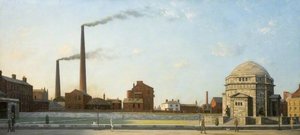
Algernon Newton가 남긴 모든 원작 중 가장 유명한 작품은 View of the North Facade, Wimpole Hall, Cambridgeshire (1940)입니다. 그 뒤를 이어 Park Crescent, London (1927)와 Birmingham with the Hall of Memory (1929)가 뒤를 잇습니다. Algernon Newton의 작품 29점을 보유하고 있습니다. 갤러리는 세계가 가장 찬사하는 26점을 엄선하여 각 작품의 제작 연도, 소장 미술관 및 작품에 담긴 이야기를 함께 소개합니다.


 The Regent's Park Canal, Paddington1930
12
 Dawn1936 · Ferens Art Gallery
13
 The Surrey Canal, Camberwell1935
14
 South Front of Anglesey Abbey, Cambridgeshire1935 · National Trust
15
 Townscape1934 · 워커 아트 갤러리
16
 The 'Lord Nelson', Winter Morning, Beck Hole1943 · Government Art Collection
17
 Canal Scene, Maida Vale1947 · Government Art Collection
18
 Winter Moonrise, Yorkshire1945 · Buxton Museum - Art Gallery
19
 The Avenue1944 · Buxton Museum - Art Gallery
20
 Regent's Canal, Maida Vale, London1942 · Nottingham Castle Museum And Art Gallery
21
 The Cloud ShadowClare College
22
 Holland House, KensingtonGovernment Art Collection
23
 River Scene
24
 A Forest PoolNational Trust
25
 PortTouchstones Rochdale
26
 Landscape브리스틀 박물관 - 아트 갤러리
이 오리지널 작품들에서 가장 자주 등장하는 네 가지 주제와 그 정수를 보여주는 대표작들.
이 페이지에 있는 작품을 가장 많이 소장하고 있는 8개의 미술관
| 소장 미술관 | 도시 | Algernon Newton의 작품 | 이 목록의 작품들 |
|---|---|---|---|
 Government Art Collection |
런던 | 4 | The Regent's Canal, Twilight, The 'Lord Nelson', Winter Morning, Beck Hole, Canal Scene, Maida Vale |
 National Trust |
Cambridge | 2 | South Front of Anglesey Abbey, Cambridgeshire, A Forest Pool |
 Buxton Museum - Art Gallery |
Buxton | 2 | Winter Moonrise, Yorkshire, The Avenue |
 Ferens Art Gallery |
헐 | 1 | Dawn |
 워커 아트 갤러리 |
리버풀 | 1 | Townscape |
 Nottingham Castle Museum And Art Gallery |
노팅엄 | 1 | Regent's Canal, Maida Vale, London |
 Clare College |
캠브리지 | 1 | The Cloud Shadow |
 Touchstones Rochdale |
로치데일 | 1 | Port |
그 시대를 정의하는 오리지널 작품을 만나보려면 연대를 선택하세요.
View of the North Facade, Wimpole Hall, Cambridgeshire (1940). 다음은 Park Crescent, London (1927)와(과) Birmingham with the Hall of Memory (1929)입니다.
60세: View of the North Facade, Wimpole Hall, Cambridgeshire은(는) 1940년 작품이며, Algernon Newton은(는) 1880년에 태어났습니다.
View of the North Facade, Wimpole Hall, Cambridgeshire, Park Crescent, London, Birmingham with the Hall of Memory, The Beck, Moor Scene with Rock Face, In Kensington, The Regent's Canal, Twilight, The Backs of Houses, Harley Street, London, Evening by the Lake 및 West Wycombe Park. 위 순위는 각 작품의 제작 연도와 소장 박물관을 나타냅니다.
저희 카탈로그에는 1900년부터 1947년 사이의 Algernon Newton 작가의 작품 29점이 수록되어 있습니다.
대부분 Government Art Collection (런던), National Trust (Cambridge) 및 Buxton Museum - Art Gallery (Buxton)에 소장되어 있습니다. 위의 박물관 목록에서 전체 목록을 확인하실 수 있습니다.
1930s 동안: 이 페이지의 총 26점의 작품 중 7점이 해당 시기에 제작되었으며, 그중 Evening by the Lake점입니다.
이 페이지에서 가장 오래된 작품은 The Beck (1900)이며, 가장 최근 작품은 Canal Scene, Maida Vale (1947)입니다.
이 페이지의 26점의 작품에 걸쳐 있는 Landscape (5), Tranquility (4) 및 British heritage (2)
이 페이지의 원작들을 기준으로 볼 때, Contemporary realism
The Regent's Canal, Twilight, The 'Lord Nelson', Winter Morning, Beck Hole 및 Canal Scene, Maida Vale: Government Art Collection, 런던은(는) 이 페이지에 있는 작품 중 4점을 소장하고 있습니다.
Algernon Cecil Newton (1880-1968) occupies a singular, luminous space in the pantheon of British landscape painting. Often whispered about in art circles as “The Canaletto of the Canals,” Newton possessed a rare, almost clairvoyant ability to find profound grace within the industrial and urban arteries of England. Where others saw only the grit of soot-stained brickwork or the murky depths of stagnant waterways, Newton perceived a quiet, rhythmic beauty. His work does not merely document a scene; it captures a mood, distilling the essence of London’s canals and industrial peripheries into compositions that breathe with a contemplative, almost spiritual serenity.
The roots of his meticulous approach to light and texture were deeply embedded in his very lineage. Born in Hampstead, Newton was the descendant of Henry Newton, one of the legendary founders of Winsor & Newton. This connection to the very materials of the painter’s craft instilled in him a lifelong reverence for the nuances of pigment and the delicate interplay of atmosphere. His early education at Clare College, Cambridge, placed him at the heart of a burgeoning intellectual and artistic movement, where he studied alongside figures such as Roger Fry and Vanessa Bell. These encounters with the pioneers of modernism provided him with a sophisticated understanding of form, even as his own heart remained tethered to a more evocative, tonal realism.
Newton’s artistic trajectory was profoundly shaped by the turbulence of the early 20th century. His service during the First World War, initially as a Sub-Lieutenant in the Royal Naval Volunteer Reserve and later with the Army, brought him face-to-face with the harsh realities of conflict. The physical toll of the war, which saw him invalided out in 1916 due to pneumonia, led him toward a period of profound introspection and healing. It was during this convalescence that he found sanctuary in the artistic colony of Lamorna, Cornwall. Surrounded by luminaries like William Nicholson and George Dyer, Newton embraced the practice of plein air painting, a method that would become central to his ability to capture the fleeting qualities of light.
In the rugged landscapes of Cornwall, his technique began to evolve into something truly distinctive. Moving away from rigid representation, he adopted a more fluid, impressionistic brushstroke, utilizing a muted palette that prioritized the atmospheric weight of the air itself. This period was crucial in developing his ability to render the "character" of a place—the way mist clings to a riverbank or how the twilight softens the hard edges of a dockside warehouse. His work became less about the literal depiction of objects and more about the emotional resonance of the environment.
As his career matured, Newton turned his gaze back toward the urban landscapes that would become his most enduring legacy. He mastered the art of finding the poetic within the mundane, transforming the industrial canals of London into stages for light and shadow. His paintings serve as a bridge between the traditional landscape traditions of the 19th century and a more modern, psychological approach to subject matter. Through his eyes, the industrial world was not something to be shunned, but a landscape worthy of the same reverence once reserved for rolling hills and classical ruins.
The significance of Newton’s contribution to British art is cemented by his recognition by the Royal Academy and the inclusion of his works in the prestigious Tate collection. His ability to evoke nostalgia and peace through a mastery of tone ensures that his paintings remain timeless. To view a Newton landscape is to enter a world of quietude, where the bustle of the modern age fades into a soft, painterly dream, leaving the viewer alone with the gentle pulse of the water and the enduring beauty of the English landscape.

