

1

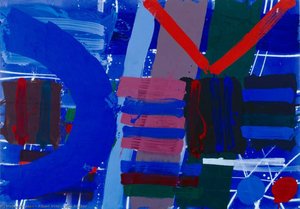
11월 2026 업데이트 · 인기 점수 기준 순위 (각 작품의 검색, 방문 및 주문 수) · 5점의 Albert Irvin 작품 (당사 카탈로그 기준)
요약하자면
Passage through Ruins (1941)은(는) Albert Irvin의 작품 중 가장 많은 관심을 받는 회화입니다. 그다음 시선은 Blue Anchor (1989)와 Richmond (1992)로 향합니다. 우리 카탈로그에 수록된 Albert Irvin의 작품 5점 중, 가장 유명한 5점을 소개합니다. 각 작품은 제작 연도, 소장 박물관, 그리고 시대를 초월해 사랑받는 이유와 함께 독창적인 원작으로 제시됩니다.
이 페이지에 있는 작품을 가장 많이 소장하고 있는 2개의 미술관
| 소장 미술관 | 도시 | Albert Irvin의 작품 | 이 목록의 작품들 |
|---|---|---|---|
 Wolfson College |
옥스퍼드 | 1 | Richmond |
 Chelsea And Westminster Hospital |
런던 | 1 | Hollywood |
그 시대를 정의하는 오리지널 작품을 만나보려면 연대를 선택하세요.


Passage through Ruins (1941). 다음은 Blue Anchor (1989)와(과) Richmond (1992)입니다.
19세: Passage through Ruins은(는) 1941년 작품이며, Albert Irvin은(는) 1922년에 태어났습니다.
저희 카탈로그에는 1941년부터 1995년 사이의 Albert Irvin 작가의 작품 5점이 수록되어 있습니다.
대부분 Wolfson College (옥스퍼드) 및 Chelsea And Westminster Hospital (런던)에 소장되어 있습니다. 위의 박물관 목록에서 전체 목록을 확인하실 수 있습니다.
1990s 동안: 이 페이지의 총 5점의 작품 중 3점이 해당 시기에 제작되었으며, 그중 Richmond점입니다.
이 페이지에서 가장 오래된 작품은 Passage through Ruins (1941)이며, 가장 최근 작품은 St Germain (1995)입니다.
Albert Henry Thomas Irvin (1922-2015) wasn’t merely an artist; he was a conduit, translating the vibrant energy of the world onto canvas and paper with an almost ecstatic fervor. Born in Bermondsey, London, during a period of profound upheaval, Irvin's life mirrored his art – a dynamic interplay of observation, emotion, and a relentless pursuit of capturing the essence of experience. His journey from wartime evacuation to celebrated Royal Academician is a testament to his enduring spirit and unwavering dedication to his craft.
Early influences were diverse and unexpected. Initially evacuated during World War II, Irvin’s formative years were shaped by the anxieties of conflict and the subsequent rebuilding of Britain. This period instilled in him a deep appreciation for resilience and a keen awareness of human connection. His formal artistic training began at Northampton School of Art in 1940, interrupted by his service as a navigator in the Royal Air Force during the war years. Returning to Goldsmiths College in 1946, he honed his skills, absorbing the burgeoning abstract tendencies of the time while simultaneously retaining a profound connection to representational forms. It was here that he began to forge his distinctive style – a bold departure from traditional realism, leaning instead towards an expressive abstraction rooted in direct observation and emotional response.
Irvin’s artistic language evolved dramatically over several decades, reflecting both personal growth and the shifting currents of the art world. Initially grappling with the tension between abstraction and figuration, he ultimately embraced a style characterized by vibrant color, dynamic gesture, and an almost childlike enthusiasm for mark-making. His canvases became playgrounds for color – pools of intense blues, fiery reds, and luminous yellows colliding and merging in a joyous dance. He frequently employed acrylic paint, embracing its quick drying time and ability to build up layers of texture and impasto.
Influences were manifold, ranging from the evocative landscapes of Walter Sickert and J.M.W. Turner to the bold color palettes of Henri Matisse. However, Irvin’s work possessed a unique character, rooted in his own lived experience. He was particularly drawn to the “St Ives” group of artists – Peter Lanyon, Roger Hilton, and Terry Frost – whose explorations of landscape and abstraction resonated deeply with his own artistic sensibilities. This connection is evident in his depictions of coastal scenes, harbors, and glimpses of urban life, rendered not as photographic representations but as intensely felt impressions.
Irvin’s most celebrated subjects were undoubtedly maritime scenes and architectural structures. Works like “Blue Anchor” and “Hollywood” exemplify his ability to capture the energy and drama of these environments – the churning sea, the towering buildings, the interplay of light and shadow. These paintings are not simply depictions; they are visceral experiences, conveying a sense of movement, excitement, and even a touch of melancholy. He frequently returned to London’s docks and harbors, finding endless inspiration in their bustling activity and weathered facades.
Beyond maritime subjects, Irvin also explored architectural motifs – grand buildings, intimate interiors, and urban landscapes. “St Germain” is a prime example, showcasing his masterful use of color and composition to evoke the atmosphere of a historic European city. These works demonstrate his keen eye for detail and his ability to imbue even the most familiar subjects with a sense of timeless beauty.
Albert Irvin’s impact on British art is undeniable. He was elected Royal Academician in 1998, a testament to his enduring influence and artistic merit. His work has been exhibited extensively throughout the UK and internationally, finding its place in major public collections including Tate Britain, the Victoria and Albert Museum, and numerous regional galleries. His later years were marked by continued creativity and experimentation, culminating in a prolific output of screenprints that further showcased his distinctive style.
Irvin’s legacy extends beyond his individual paintings; he embodied a spirit of joyful exploration and unwavering commitment to the act of creation. He left behind a body of work that is both deeply personal and universally resonant – a vibrant celebration of life, experience, and the enduring power of art. His final years were spent in Tooting, London, where he continued to paint until his death in 2015, leaving behind a rich artistic legacy for future generations to appreciate.

