The Evolving Definition of 'Authenticity' in Art Reproduction
For centuries, the concept of artistic authenticity has been inextricably linked to the hand of the master – the unique touch, the deliberate imperfection, the very *presence* imbued within each brushstroke. But what happens when we seek to recreate that presence? The modern pursuit of art reproduction isn’t merely about duplication; it's a complex negotiation with history, skill, and individual desire. Walter Benjamin, in his groundbreaking essay “The Work of Art in the Age of Mechanical Reproduction,” posited that removing an artwork from its ritualistic context diminishes its ‘aura.’ While he focused on printmaking, the principle resonates deeply within the realm of hand-painted reproductions. A faithful copy, however technically proficient, lacks the original’s embedded narrative – its journey through time and circumstance. Today's discerning collector understands this nuance; they aren’t seeking a forgery, but rather a continuation of artistic tradition, a unique expression born from collaboration.
The desire to possess an image resonant with a beloved masterpiece is ancient. Early reproductions took the form of workshop copies, often commissioned by patrons eager to emulate the styles and subjects favored by the elite. These weren’t intended as deceptive imitations but as expressions of taste and status. The Renaissance saw skilled artisans meticulously recreating works for wider dissemination, albeit with subtle variations reflecting their own training and aesthetic sensibilities. This historical precedent underscores a crucial point: reproduction has *always* been an act of interpretation, not simply replication. The challenge lies in acknowledging this inherent subjectivity while striving to capture the essence of the original – its emotional impact, compositional strength, and technical brilliance.
Iterative Refinement: A Collaborative Design Process
The traditional commissioning process—a single brief followed by a lengthy period of execution—often felt like a leap of faith. The client entrusted their vision to an artist with limited opportunities for course correction. Contemporary approaches, however, embrace the power of iterative refinement, drawing inspiration from fields like software development and engineering. This methodology centers on continuous feedback loops, prototyping, and adjustment, ensuring the final piece aligns perfectly with the collector’s expectations. Think of the Old Masters themselves: rarely did a painting emerge fully formed in a single sitting. Sketches, underpaintings, and countless revisions were integral to their process. Iterative design mirrors this historical practice, allowing for experimentation and unexpected discoveries.
The core principle is simple: define specific goals for each stage of development (the ‘Plan’ phase), execute the work based on those goals (‘Do’), meticulously review the results with the client (‘Check’), and implement changes accordingly (‘Act’). This cyclical approach minimizes risk, fosters a sense of ownership, and ensures the artwork evolves organically. A small-scale study, for example, can be invaluable in assessing color variations or textural nuances before committing to a larger canvas. Digital mockups offer even greater flexibility, allowing clients to visualize potential adjustments in real time. The goal isn’t simply to satisfy a pre-defined brief but to embark on a shared creative journey.
Communicating Vision: Bridging the Gap Between Client & Artist
Miscommunication is perhaps the greatest obstacle in any artistic collaboration. What one person perceives as ‘warmth,’ another might interpret as ‘garish.’ To navigate these subjective differences, prioritize clarity and precision from the outset. A detailed brief outlining desired style, color palettes (with specific examples – referencing existing artworks or mood boards), and overall emotional tone is paramount. Visual aids are indispensable; a collection of images that evoke the desired aesthetic can be far more effective than lengthy descriptions. Equally important is active listening. The artist should actively solicit feedback throughout the process, asking clarifying questions and demonstrating a genuine willingness to understand the client’s preferences.
Beyond technical specifications, delve into the *why* behind the request. What emotional resonance does the collector seek? What memories or associations are they hoping to evoke? Understanding these underlying motivations allows the artist to infuse the reproduction with deeper meaning and personal significance. Furthermore, acknowledging the artist’s expertise is vital; they can offer valuable insights into technical feasibility and aesthetic considerations. A skilled reproducer isn't simply a technician but a creative partner capable of translating abstract concepts into tangible form.
The Artist as Interpreter: Beyond Technical Skill
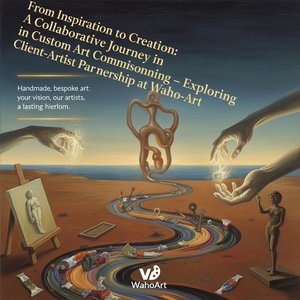
A truly exceptional art reproducer transcends mere technical proficiency. They possess a deep understanding of artistic techniques, color theory, and historical context – an ability to interpret the original artwork’s essence and translate it onto a new canvas or medium. Consider Salvador Dalí’s ‘Design for Destino,’ with its surreal imagery and melting clocks. A reproduction requires not just meticulous brushwork but also an appreciation for the dreamlike quality of the piece, the underlying symbolism, and the emotional impact of its composition. The artist must understand the historical context – the influence of Freudian psychology, the burgeoning film industry, Dalí’s own unique artistic vision.
This often involves offering creative solutions – suggesting alternative compositions to better suit a specific space, adjusting color palettes to enhance the overall aesthetic, or incorporating subtle variations that add character and uniqueness. The best artists are proactive collaborators, anticipating potential challenges and offering informed suggestions. They aren’t afraid to push boundaries, experiment with new techniques, and ultimately elevate the reproduction beyond a simple copy. They understand that their role is not to replicate but to *reimagine* – to breathe new life into a beloved masterpiece.
Managing Expectations: Scale, Materiality, and Realistic Outcomes
Differences in scale, canvas texture, and paint quality can significantly impact the final appearance of a reproduction. It’s crucial to manage client expectations from the outset, providing realistic assessments of what is achievable. A small-scale study, meticulously rendered, can be invaluable for demonstrating color variations and textural nuances before committing to a larger canvas. Transparency about material limitations is also essential; certain pigments may not be readily available or may fade over time. Artists should proactively discuss these factors with clients, offering alternative solutions when necessary.
Furthermore, it’s important to acknowledge that a reproduction will never be an exact replica of the original – subtle variations are inevitable and often desirable, adding character and uniqueness to the piece. The texture of hand-applied paint will differ from the smooth surface of a digital print; the nuances of brushwork will reflect the artist's individual style. These aren’t flaws but rather hallmarks of authenticity – evidence of human touch and creative interpretation. The goal isn’t perfection but rather a faithful representation that captures the spirit and emotional impact of the original artwork.
Technology's Role in Fostering Creative Agency
Digital technology has revolutionized the art reproduction process, offering a range of tools that facilitate collaboration and refinement. Virtual mockups allow clients to visualize potential changes before they are implemented, reducing the risk of costly revisions. Online feedback platforms enable seamless communication between artist and client, allowing for real-time discussions and iterative adjustments. Furthermore, digital image editing software can be used to explore different color palettes, textures, and compositions. These tools empower clients to actively participate in the creative process, providing valuable input and ensuring the final piece aligns perfectly with their vision.
At OriginalUniqueArt, we embrace these technologies while remaining committed to the artistry of hand-painted reproductions. Our platform connects discerning collectors with skilled artists from around the globe, fostering a collaborative environment where creativity flourishes. From personalized consultations to meticulous quality control, we strive to deliver exceptional results that exceed expectations. We believe that art reproduction is not simply about acquiring an image; it’s about investing in a unique expression of beauty and personal connection – a testament to the enduring power of artistic tradition and individual vision. Explore our extensive collection today and discover how OriginalUniqueArt can transform your space with timeless masterpieces, reimagined for your enjoyment.