Introduction: The Emerging Science of Aesthetic ROI in Hospitality
For centuries, the presence of art within spaces dedicated to respite – from ancient temples adorned with frescoes to Renaissance palaces showcasing masterworks – has been intuitively understood as a marker of refinement and status. However, only recently have we begun to rigorously quantify what was once considered purely subjective: the return on investment (ROI) of aesthetic experience, particularly within the hospitality sector. The modern hotel is no longer simply a provider of shelter; it’s a curated environment designed to evoke emotion, foster connection, and ultimately, drive revenue. This shift demands a new approach to design, one grounded in data-driven insights alongside artistic sensibility. We are entering an era where art isn't merely *in* the hotel, but actively *works* for the hotel – shaping perceptions, influencing spending habits, and building lasting brand loyalty.
Beyond Décor: How Art Shapes Guest Perception & Emotional Connection
The impact of art extends far beyond superficial beauty. Neuroaesthetics, a relatively new field of study, reveals that encountering artwork triggers complex neurological responses, releasing dopamine – the neurotransmitter associated with pleasure and reward – and activating areas of the brain linked to empathy and emotional processing. In a hotel environment, this translates directly into heightened guest satisfaction. A thoughtfully chosen piece can transform a sterile lobby into a welcoming sanctuary, a mundane hallway into an intriguing passage, or a standard room into a personalized haven. Consider the power of color psychology: warm tones like ochre and terracotta evoke feelings of comfort and relaxation, while cooler hues such as blues and greens promote tranquility and focus. The subject matter itself is equally crucial. Abstract art can stimulate conversation and intellectual curiosity, while landscapes offer a sense of escape and serenity. Judith Tatar, a leading hospitality art consultant, aptly notes that “Art isn’t an accessory; it defines how a guest experiences a space.” This experience, when positive and memorable, directly correlates with increased spending on ancillary services – from dining to spa treatments – and a greater likelihood of repeat bookings.
Quantifying the Impact: Case Studies of Art Programs Driving Revenue Growth
While anecdotal evidence has long supported the link between art and hospitality success, recent studies provide compelling quantitative data. Dr. Maksim Godovykh’s Hospitality Art Experience Model (HAEM) demonstrated a significant correlation between visual art in hotels and enhanced guest emotions, satisfaction levels, and return intent. Hotels that strategically integrate curated collections often see occupancy rates exceeding industry averages. For example, The Radical Hotel in Asheville, North Carolina, has leveraged local murals to create an immersive experience that resonates with the community, attracting a loyal following and boosting social media engagement. Similarly, upscale properties like Rosewood hotels prioritize art as a core element of their brand identity, commissioning bespoke pieces that reflect the unique character of each location. These investments aren’t simply aesthetic choices; they are calculated strategies designed to maximize revenue potential. A Beck Group study revealed a 6-12% ROI growth in hotels adopting community-focused art programs, driven by increased F&B sales and stronger brand loyalty. This demonstrates that art can be a powerful catalyst for economic success.
Strategic Art Selection: Aligning Aesthetics with Brand Identity and Target Demographics
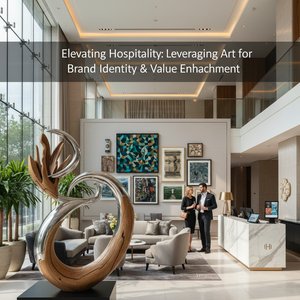
The key to unlocking the full potential of art lies in strategic selection – aligning aesthetic choices with the hotel’s overall brand identity and target demographic. A boutique hotel catering to millennials might prioritize contemporary works that reflect their values of authenticity and social consciousness, while a luxury resort targeting affluent travelers may opt for classic masterpieces or bespoke commissions that exude sophistication and exclusivity. Understanding your audience is paramount. Researching their preferences, cultural sensitivities, and aesthetic inclinations can inform every decision – from the style of artwork to its placement within the space. Furthermore, consider the narrative you want to convey. Art should tell a story, reflecting the hotel’s history, location, or unique philosophy. For instance, incorporating local artists not only supports the community but also adds a layer of authenticity and cultural relevance that resonates with discerning guests. The Richards Report highlights the importance of integrating Paid, Earned, Shared, and Owned media to amplify brand messaging, suggesting that art can serve as a powerful visual anchor for social media campaigns and influencer collaborations.
The Role of Custom Artwork in Creating Unique Hotel Experiences
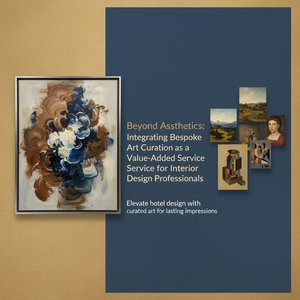
While reproductions offer an accessible entry point into incorporating art, custom artwork represents the pinnacle of strategic design. Commissioning bespoke pieces allows hotels to create truly unique experiences that cannot be replicated elsewhere. This approach not only supports artists but also fosters a sense of exclusivity and personalization. Imagine a hotel lobby featuring a large-scale mural inspired by the surrounding landscape, or guest rooms adorned with portraits created in collaboration with local artisans. These artworks become talking points, generating social media buzz and attracting attention from art enthusiasts. Furthermore, custom artwork allows for greater control over style, subject matter, and narrative – ensuring that every piece aligns perfectly with the hotel’s brand identity. The process of commissioning artwork can also be a collaborative one, involving guests in workshops or artist talks, further enhancing their connection to the space. This level of engagement transforms the hotel from a mere accommodation into a vibrant cultural hub.
Implementing a Successful Art Program: Budget, Procurement & Ongoing Management
Successfully implementing an art program requires careful planning and ongoing management. Begin by establishing a realistic budget that accounts for artwork acquisition, framing, installation, insurance, and maintenance. Consider partnering with reputable art consultants who can provide expert guidance on sourcing, procurement, and valuation. OriginalUniqueArt.com offers a comprehensive range of services to streamline this process, from custom reproductions to bespoke commissions. When selecting artists, prioritize those with a proven track record and a style that aligns with your brand identity. Once the artwork is installed, ensure proper lighting and security measures are in place to protect it from damage or theft. Ongoing maintenance – including cleaning, restoration, and occasional rotation of pieces – is crucial for preserving its value and aesthetic appeal. Finally, leverage art as a marketing tool by showcasing it on social media, creating virtual tours, and hosting artist talks or workshops. By treating art as an investment rather than an expense, hotels can unlock its full potential to enhance the guest experience, drive revenue growth, and build lasting brand loyalty.