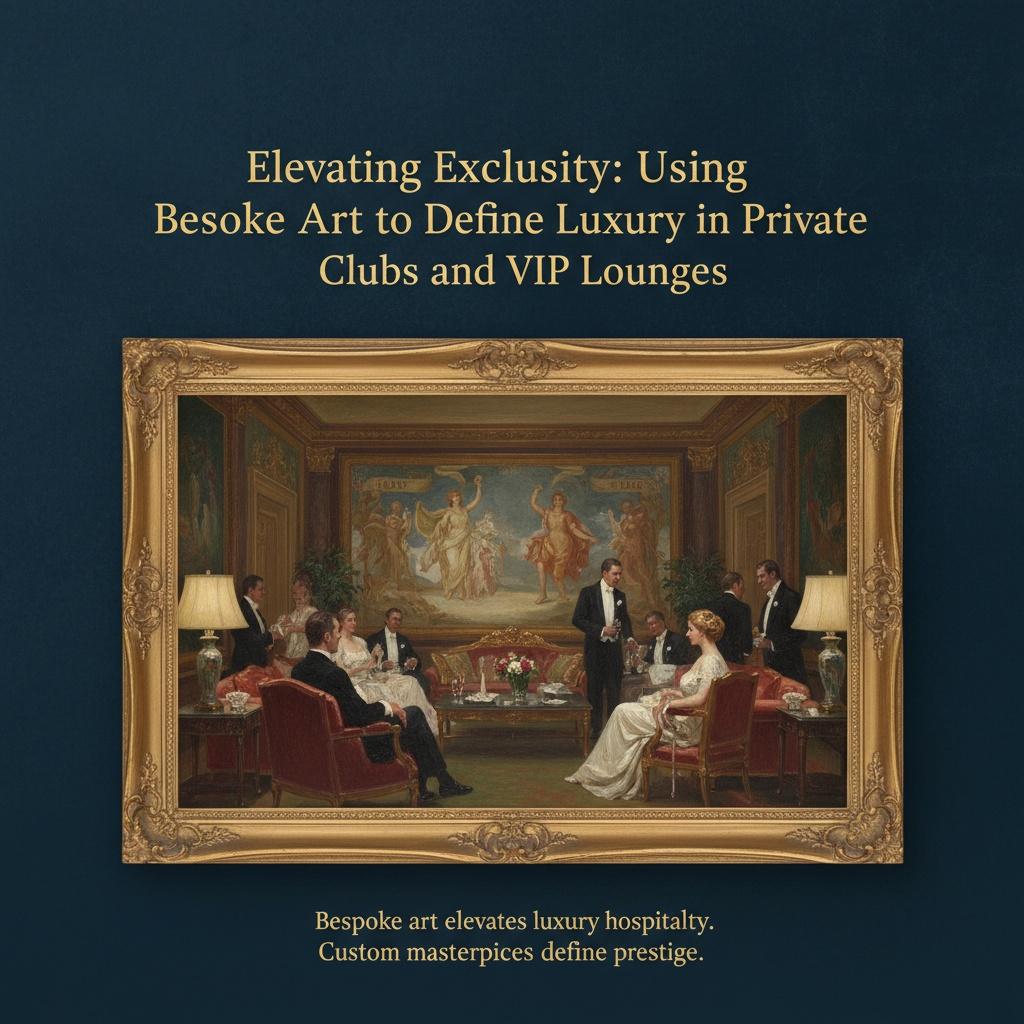
The Evolving Landscape of Exclusivity: Beyond Material Possessions
For centuries, exclusivity has been defined by the tangible – rare jewels, sprawling estates, bespoke tailoring. But in an age saturated with material wealth, a more nuanced understanding of prestige has emerged. Today’s elite seek not merely to *possess* luxury, but to embody it; to curate experiences that reflect refined taste, intellectual curiosity, and a deep connection to cultural heritage. This shift marks a profound change in the very nature of status symbols, moving beyond ostentatious display towards a more subtle, sophisticated form of distinction. The modern private club, and the discerning VIP lounge, are prime examples of this evolution – spaces meticulously crafted not just for comfort or convenience, but as embodiments of a particular worldview, a carefully constructed aesthetic that speaks volumes about its members’ values and aspirations.
The accumulation of wealth no longer guarantees entry into these circles; rather, it is the ability to appreciate, understand, and contribute to a shared cultural language. And at the heart of this language lies art. No longer simply decorative, artwork within these exclusive environments functions as a powerful form of nonverbal communication, signaling membership in an informed community and demonstrating a commitment to aesthetic excellence.
Art as a Signifier of Taste & Cultural Capital in Elite Spaces
The power of art to denote social standing is deeply rooted in history. From the Renaissance patronage of the Medici family to the Impressionist collections of 19th-century industrialists, artwork has consistently served as a marker of wealth, power, and cultural sophistication. However, the contemporary application extends beyond mere acquisition. It’s about *how* art is chosen, displayed, and discussed – the ability to discern quality, understand artistic movements, and engage in informed dialogue. Pierre Bourdieu's concept of “cultural capital” becomes particularly relevant here; possessing knowledge of art isn’t simply about owning beautiful objects, but about wielding a form of social currency that reinforces one’s position within a hierarchical structure.
Consider the carefully selected pieces adorning the walls of a prestigious private club. A Rothko canvas doesn't merely fill space; it signifies an appreciation for abstract expressionism, a willingness to engage with complex emotional landscapes, and a connection to a specific lineage of artistic thought. Similarly, a rare sculpture by Giacometti speaks to a deep understanding of modernist form and the existential anxieties of the 20th century. These choices aren’t accidental; they are deliberate statements designed to attract and retain members who share similar values and intellectual interests.
Strategic Art Curation: Building Brand Identity and Narrative
The most successful private clubs and VIP lounges understand that art curation is not simply an aesthetic exercise, but a strategic imperative. It’s about building a cohesive brand identity, crafting a compelling narrative, and creating an immersive experience that resonates with the target audience. This requires a thoughtful approach to sourcing, selection, and placement – ensuring that each piece contributes to the overall atmosphere and reinforces the club's core values.
A club focused on fostering innovation might showcase contemporary works that challenge conventional boundaries, while one dedicated to preserving tradition could feature historical pieces that evoke a sense of timeless elegance. The key is authenticity; artwork must genuinely reflect the club’s ethos and appeal to the sensibilities of its members. Furthermore, strategic curation extends beyond the visual realm – incorporating artist talks, private viewings, and educational programs can further enhance engagement and solidify the club's position as a cultural hub.
DEIB Considerations in Luxury Art Collections: Reflecting Values, Fostering Inclusion
The evolving social landscape demands a more inclusive approach to art curation. While exclusivity remains a defining characteristic of these spaces, it’s increasingly important to demonstrate a commitment to diversity, equity, inclusion, and belonging (DEIB). This means actively seeking out artwork by underrepresented artists, showcasing diverse perspectives, and challenging traditional canons that have historically marginalized certain voices.
This isn't simply about ticking boxes; it’s about enriching the cultural experience for all members. Featuring works by female artists, artists of color, or those from different cultural backgrounds can broaden perspectives, spark meaningful conversations, and foster a more welcoming environment. Moreover, supporting emerging artists demonstrates a commitment to nurturing creativity and contributing to a more equitable art world. A thoughtfully curated collection that reflects DEIB values not only enhances the club’s reputation but also strengthens its connection to a broader community.
The ROI of Art Investment: Beyond Aesthetics – Social Impact & Engagement
While the aesthetic benefits of art curation are undeniable, it’s important to recognize the potential for tangible return on investment. Artwork can appreciate in value over time, providing a financial benefit to the club or its members. However, the true ROI extends beyond monetary gains; strategically curated collections can enhance brand reputation, attract high-value clientele, and foster increased engagement.
A well-placed sculpture can become an Instagrammable moment, generating valuable social media exposure. Artist talks and private viewings can attract influential figures, further elevating the club’s profile. Moreover, supporting local artists demonstrates a commitment to community values, enhancing goodwill and strengthening relationships with key stakeholders. The art collection becomes not just a visual asset but a dynamic tool for building brand loyalty and driving business growth.
Navigating the Art Market for Private Clubs: Sourcing, Authentication, and Long-Term Value
Sourcing exceptional artwork requires expertise and discernment. Working with reputable art consultants is crucial – they possess in-depth knowledge of the market, access to exclusive collections, and a network of trusted dealers and artists. Authentication is paramount; ensuring the provenance and authenticity of each piece protects against fraud and safeguards long-term value.
Due diligence is essential, including thorough research into an artist’s background, exhibition history, and market performance. Furthermore, understanding conservation requirements is vital – protecting artwork from damage or deterioration ensures its longevity and maintains its aesthetic integrity. Long-term value isn't solely determined by price; it’s about acquiring pieces that resonate with the club’s ethos, contribute to its narrative, and stand the test of time. At OriginalUniqueArt.com, we provide bespoke art curation services tailored to the unique needs of private clubs and VIP lounges, offering access to a vast library of museum-quality reproductions and original artwork, alongside expert guidance on sourcing, authentication, and long-term preservation.